1941
World War II: U
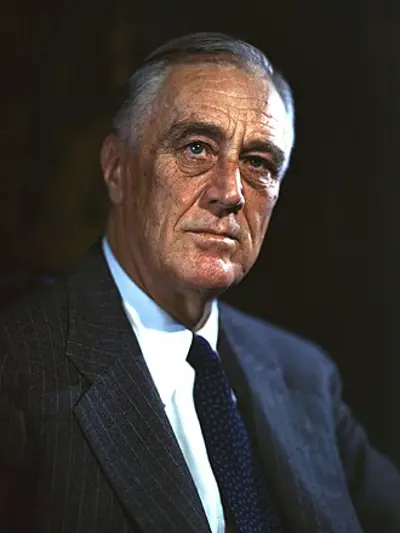
World War II: U.S. president Franklin D. Roosevelt proclaims an "unlimited national emergency".
5526 results for “Robert R. Livingston” — type: events (903 ms)
World War II: U.S. president Franklin D. Roosevelt proclaims an "unlimited national emergency".
New Deal: The U.S. Federal Securities Act is signed into law requiring the registration of securities with the Federal Trade Commission.
Former Formula One driver Takuma Sato wins his first Indianapolis 500, the first Japanese and Asian driver to do so. Double world champion Fernando Alonso retires from an engine issue in his first en�

Harambe, a gorilla, is shot to death after grabbing a three-year-old boy in his enclosure at the Cincinnati Zoo and Botanical Garden, resulting in widespread criticism and sparking various internet m�
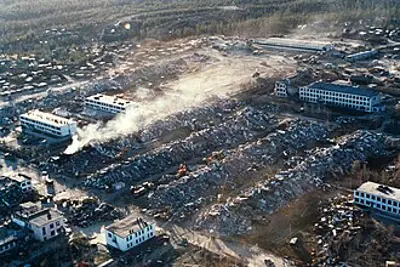
The 7.0 Mw Neftegorsk earthquake shakes the former Russian settlement of Neftegorsk with a maximum Mercalli intensity of IX (Violent). Total damage was $64.1–300 million, with 1,989 deaths and 750 i�
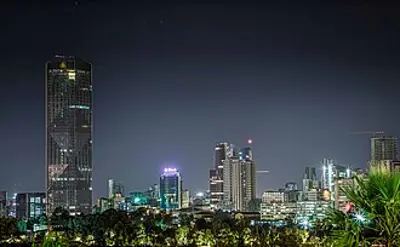
The capital city of Addis Ababa falls to the Ethiopian People's Revolutionary Democratic Front, ending both the Derg regime in Ethiopia and the Ethiopian Civil War.
U.S. President Andrew Jackson signs the Indian Removal Act which denies Native Americans their land rights and forcibly relocates them.
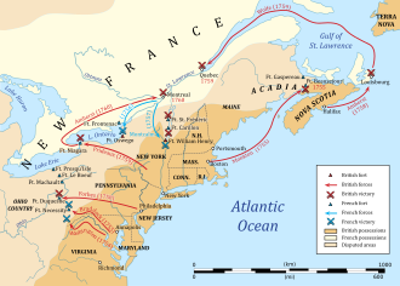
French and Indian War: In the first engagement of the war, Virginia militia under the 22-year-old Lieutenant colonel George Washington defeat a French reconnaissance party in the Battle of Jumonville�
The U.S. Supreme Court rules that the disabled golfer Casey Martin can use a cart to ride in tournaments.
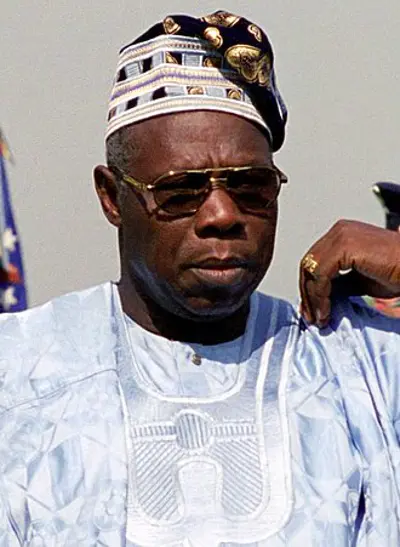
Olusegun Obasanjo takes office as President of Nigeria, the first elected and civilian head of state in Nigeria after 16 years of military rule.
The Congress of People's Deputies of Russia elects Boris Yeltsin as President of the Russian Soviet Federative Socialist Republic.
U.S. President Ronald Reagan begins his first visit to the Soviet Union when he arrives in Moscow for a superpower summit with the Soviet leader Mikhail Gorbachev.
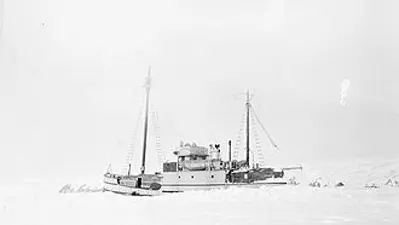
The St. Roch, the first ship to circumnavigate North America, arrives in Halifax, Nova Scotia, Canada.
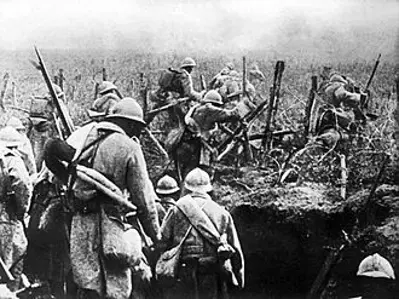
World War I veterans begin to assemble in Washington, D.C., in the Bonus Army to request cash bonuses promised to them to be paid in 1945.
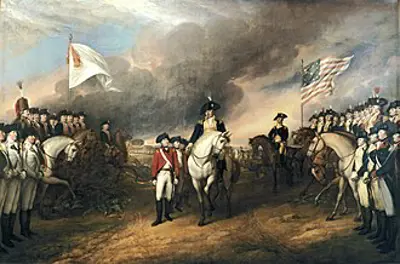
American Revolutionary War: At the Waxhaws Massacre, the British continue attacking after the Continentals lay down their arms, killing 113 and critically wounding all but 53 that remained.
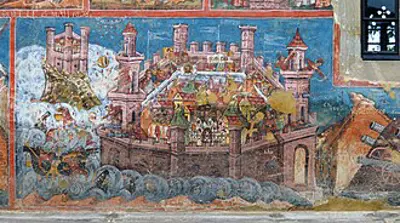
Fall of Constantinople: Ottoman armies under Sultan Mehmed II capture Constantinople after a 53-day siege, ending the Roman Empire after over 2,000 years.
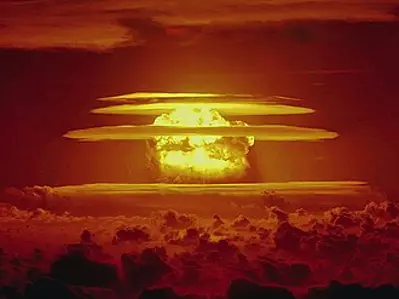
Nuclear Testing: Pakistan conducts an underground test in the Kharan Desert. It is reported to be a plutonium device with yield of 20kt TNT equivalent.
Charles de Gaulle reappears publicly after his flight to Baden-Baden, West Germany, and dissolves the French National Assembly by a radio appeal. Immediately after, less than one million of his suppo�
At the Indianapolis Motor Speedway, the first Indianapolis 500 ends with Ray Harroun in his Marmon Wasp becoming the first winner of the 500-mile auto race.
Decoration Day (the predecessor of the modern "Memorial Day") is observed in the United States for the first time after a proclamation by John A. Logan, head of the Grand Army of the Republic (a vete�