Button Gwinnett, British-born American politician and signer of the United States Declaration of Independence (born 1735
Button Gwinnett, British-born American politician and signer of the United States Declaration of Independence (born 1735)
18657 results for “Charles I of England” (2029 ms)
Button Gwinnett, British-born American politician and signer of the United States Declaration of Independence (born 1735)
Isaac Beeckman, Dutch scientist and philosopher (born 1588)
Saint Ivo of Kermartin, French canon lawyer (born 1253)
National Asian & Pacific Islander HIV/AIDS Awareness Day (United States)
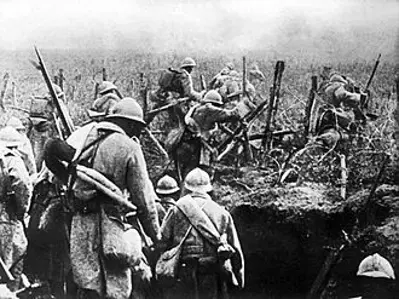
First World War: Australian and New Zealand troops repelled the third attack on Anzac Cove, inflicting heavy casualties on the attacking Ottoman forces.
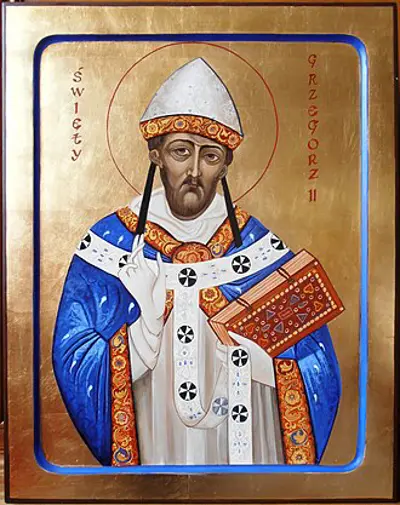
Gregory II began his pontificate; his conflict with Byzantine emperor Leo III eventually led to the establishment of the temporal power of the pope.
The government of Singapore authorised the controversial execution of convicted murderer Kho Jabing for the murder of a Chinese construction worker despite the international pleas for clemency, notabl�
An EF5 tornado strikes the Oklahoma City suburb of Moore, killing 24 people and injuring 377 others.
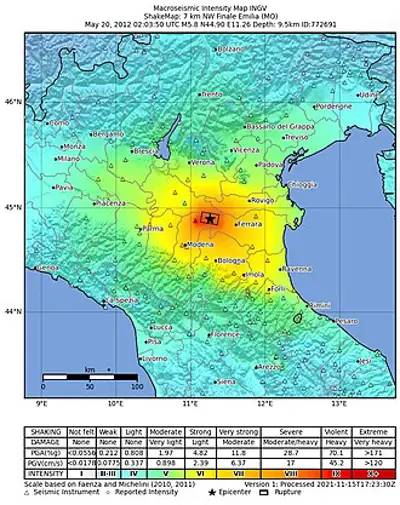
At least 27 people are killed and 50 others injured when a 6.0-magnitude earthquake strikes northern Italy.
An Indonesian Air Force Lockheed L-100 Hercules crashes in Magetan Regency, killing 99.
The independence of East Timor is recognized by Portugal, formally ending 23 years of Indonesian rule and three years of provisional UN administration (Portugal itself is the former colonizer of East�
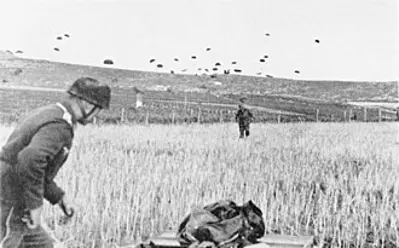
World War II: Battle of Crete: German paratroops invade Crete.
Treaty of Jeddah: The United Kingdom recognizes the sovereignty of King Ibn Saud in the Kingdoms of Hejaz and Nejd, which later merge to become the Kingdom of Saudi Arabia.
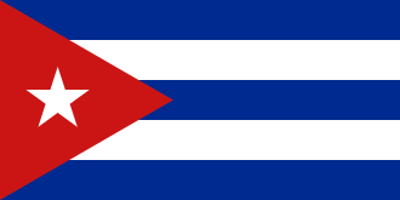
Cuba gains independence from the United States. Tomás Estrada Palma becomes the country's first President.
The Triple Alliance between the German Empire, Austria-Hungary and the Kingdom of Italy is formed.
Signing of the Metre Convention by 17 nations leading to the establishment of the International System of Units.
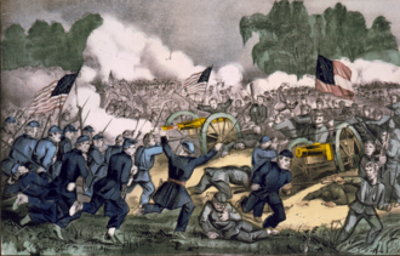
American Civil War: The state of Kentucky proclaims its neutrality, which will last until September 3 when Confederate forces enter the state.
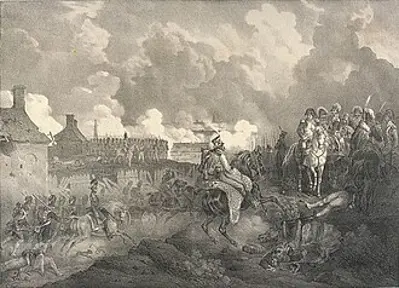
Napoleon Bonaparte leads his French troops into the Battle of Bautzen in Saxony, Germany, against the combined armies of Russia and Prussia. The battle ends the next day with a French victory.