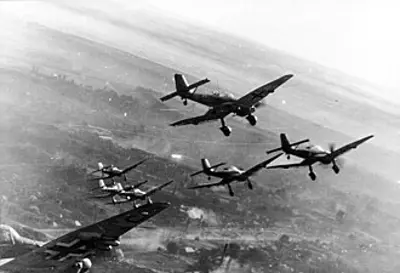
World War II: Fascist Italy declares war on France and the United Kingdom, beginning an invasion of southern France
World War II: Fascist Italy declares war on France and the United Kingdom, beginning an invasion of southern France.
4309 results for “War of the First Coalition: Napoleon Bonaparte conquers Venice” (363 ms)
World War II: Fascist Italy declares war on France and the United Kingdom, beginning an invasion of southern France.
World War I: The deadliest German air raid on London of the war is carried out by Gotha G.IV bombers and results in 162 deaths, including 46 children, and 432 injuries.
American Revolutionary War: Spain declares war on the Kingdom of Great Britain, and the Great Siege of Gibraltar begins.
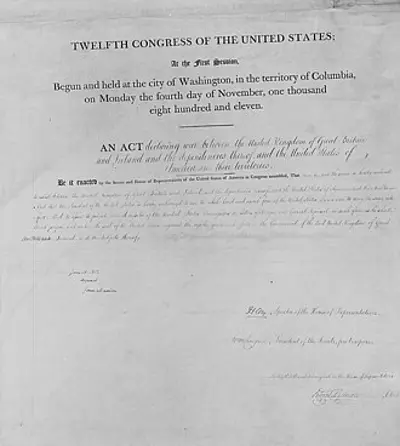
The United States declaration of war upon the United Kingdom is signed by President James Madison, beginning the War of 1812.
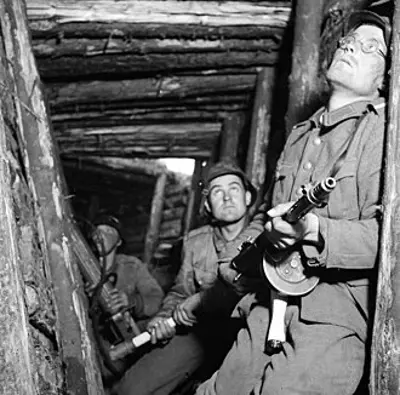
World War II: During the Continuation War, the Soviet Union demands unconditional surrender from Finland during the beginning of partially successful Vyborg–Petrozavodsk Offensive. The Finnish governm�
World War II: German minister of foreign affairs Joachim von Ribbentrop presented a declaration of war to the Soviet ambassador Vladimir Dekanozov in Berlin.
World War II: The Continuation War between the Soviet Union and Finland, supported by Nazi Germany, began.
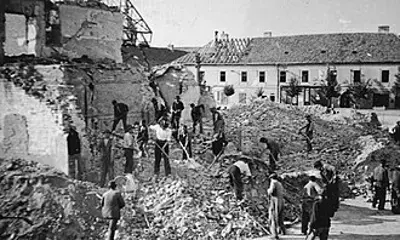
World War II: Soviet planes bomb Kassa, Hungary (now Košice, Slovakia), giving Hungary the impetus to declare war the next day.
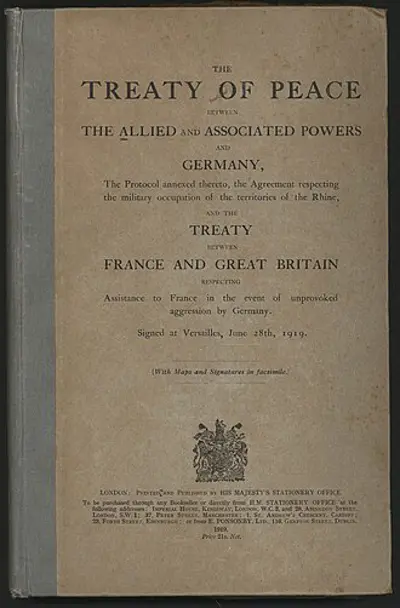
The Treaty of Versailles is signed, ending the state of war between Germany and the Allies of World War I.
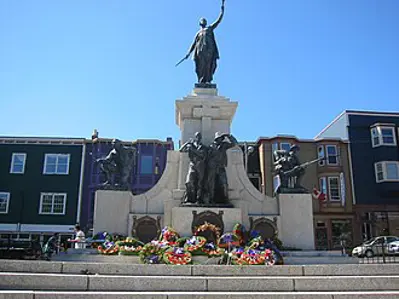
At the centennial ceremony of the Dominion of Newfoundland National War Memorial, the Commonwealth War Graves Commission allowed an unprecedented second Canadian Tomb of the Unknown Soldier. The Royal�
World War I: Russia launches an offensive against Austria-Hungary to capture Galicia, its final offensive of the war.
World War I: U.S. President Warren G. Harding signs the Knox–Porter Resolution formally ending the war between the United States and Germany.
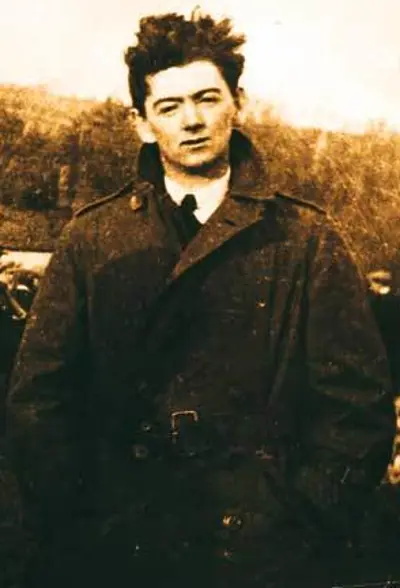
Tom Barry, leader of the Irish Republican Army during the Irish War of Independence and the Irish Civil War (born 1897)
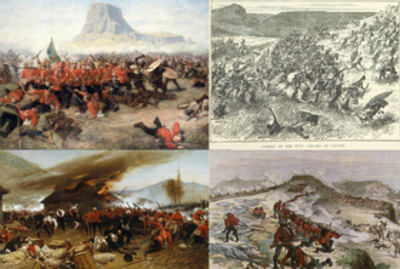
Anglo-Zulu War: The Zululand capital of Ulundi is captured by British troops and burned to the ground, ending the war and forcing King Cetshwayo to flee.
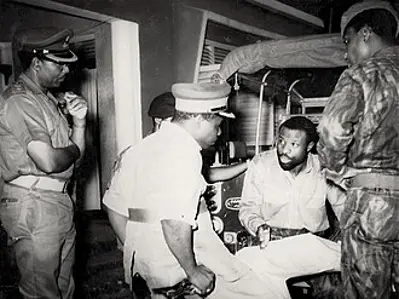
Nigerian Civil War: Nigerian forces invade Biafra, beginning the war.
World War II: Largest Banzai charge of the Pacific War at the Battle of Saipan.
World War II: Continuation War: Finland wins the Battle of Tali–Ihantala, the largest battle ever fought in northern Europe. The Red Army withdraws its troops from Ihantala and digs into a defensive p�
Somalia declares war on Ethiopia, starting the Ogaden War.
Korean War: A Korean People's Army unit massacred 31 prisoners of war of the U.S. Army on a mountain near the village of Tuman.
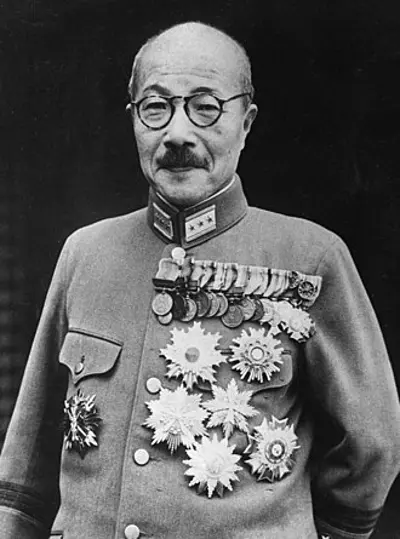
World War II: Hideki Tōjō resigns as Prime Minister of Japan because of numerous setbacks in the war effort.