1966
The Ulster Volunteer Force declares war on the Irish Republican Army in Northern Ireland
The Ulster Volunteer Force declares war on the Irish Republican Army in Northern Ireland.
30344 results for “Charles F. Hurley” (2677 ms)
The Ulster Volunteer Force declares war on the Irish Republican Army in Northern Ireland.
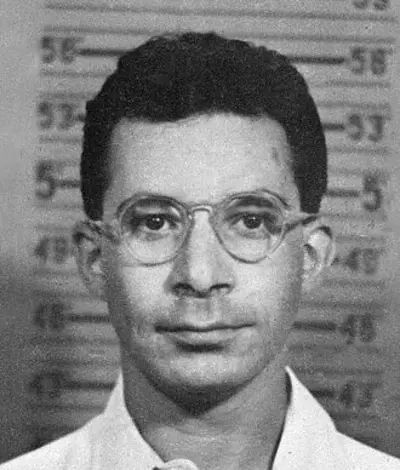
Physicist Louis Slotin is fatally irradiated in a criticality incident during an experiment with the demon core at Los Alamos National Laboratory.
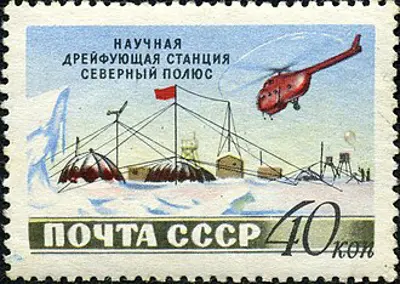
A Soviet station, North Pole-1, becomes the first scientific research settlement to operate on the drift ice of the Arctic Ocean.
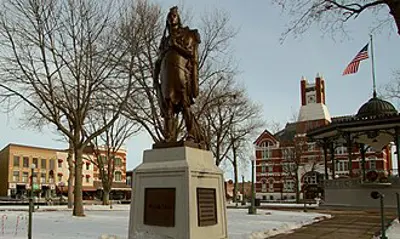
Oskaloosa, Iowa, becomes the first municipality in the United States to fingerprint all of its citizens.
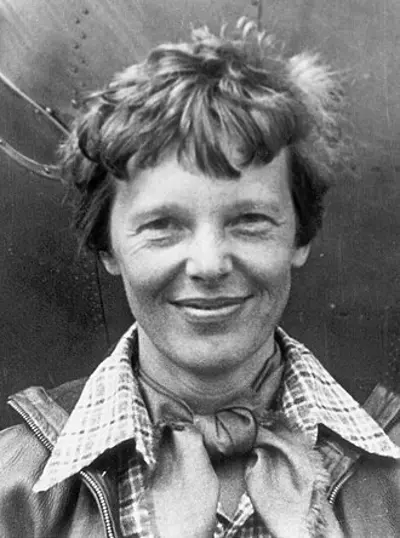
Bad weather forces Amelia Earhart to land in a pasture in Derry, Northern Ireland, and she thereby becomes the first woman to fly solo across the Atlantic Ocean.
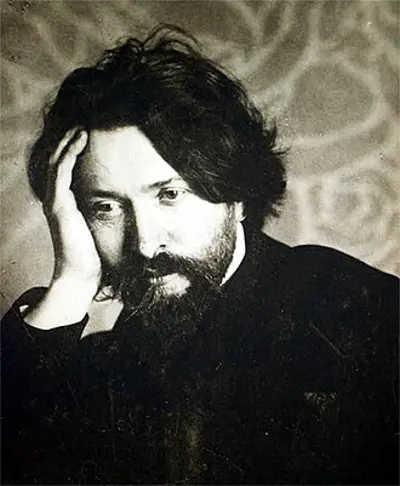
The opera Doktor Faust, unfinished when composer Ferruccio Busoni died, is premiered in Dresden.

The Fédération Internationale de Football Association (FIFA) is founded in Paris.
French troops invade the Paris Commune and engage its residents in street fighting. By the close of "Bloody Week", some 20,000 communards have been killed and 38,000 arrested.
Opening of the first rack railway in Europe, the Rigi Bahnen on Mount Rigi.
Russia declares an end to the Russo-Circassian War and many Circassians are forced into exile. The day is designated the Circassian Day of Mourning.
Lawrence, Kansas is captured and burned by pro-slavery forces.
Ten-year-old Mary Campbell is abducted in Pennsylvania by Lenape during the French and Indian War. She is returned six and a half years later.
The Battle of Long Sault concludes after five days in which French colonial militia, with their Huron and Algonquin allies, are defeated by the Iroquois Confederacy.
In the Concert of The Hague, the Dutch Republic, the Commonwealth of England and the Kingdom of France set out their views on how the Second Northern War should end.
Roman Emperors Diocletian and Maximian appoint Galerius as Caesar to Diocletian, beginning the period of four rulers known as the Tetrarchy.