1965
Dan Levinson, American clarinet player, saxophonist, and bandleader
Dan Levinson, American clarinet player, saxophonist, and bandleader
25575 results for “Lev Polugaevsky, Soviet Chess Grandmaster (died 1995)” (846 ms)
Dan Levinson, American clarinet player, saxophonist, and bandleader

Iraqi Civil War: Mosul is declared fully liberated from the Islamic State of Iraq and the Levant by the government of Iraq.
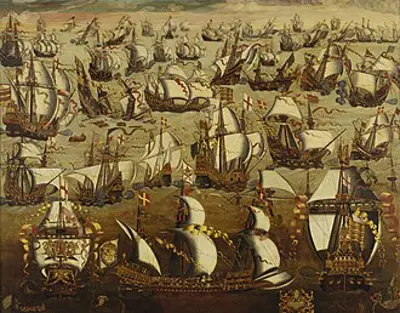
Anglo–Spanish War: A convoy of English ships from the Levant Company repelled a fleet of Spanish and Maltese galleys at the Battle of Pantelleria.

The comet Shoemaker-Levy 9 is destroyed in a head-on collision with Jupiter.
Fragments of Comet Shoemaker–Levy 9 began colliding with the planet Jupiter , with the first impact causing a fireball that reached a peak temperature of 24,000 kelvin.

The Islamic State of Iraq and the Levant requires Christians to either accept dhimmi status, emigrate from ISIL lands, or be killed.
Robert Levinz, English Royalist, hanged in London by Parliamentary forces as a spy (born 1615)

A suicide attack (aftermath pictured) in Suruç, Turkey, for which Islamic State of Iraq and the Levant (ISIL) claimed responsibility, killed 34 people and injured 104 others.

Great Flood of 1993: Levees near Kaskaskia, Illinois rupture, forcing the entire town to evacuate by barges operated by the Army Corps of Engineers.

Natalie de Blois, American architect, co-designed the Lever House (born 1921)
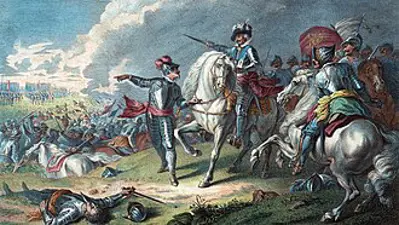
English Civil War: Scottish Covenanter forces under the Earl of Leven launch the Siege of Hereford, a remaining Royalist stronghold.

Shawn Levy, Canadian-American director and producer
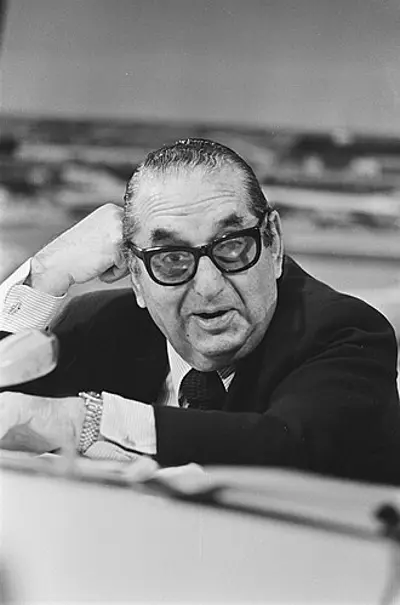
Joseph E. Levine, American film producer (b, 1905)
Richard Leveson, English admiral (born c. 1570)
Marv Levy, American-Canadian football player, coach, and manager
Syrian civil war: The Syrian Democratic Forces (SDF) expel the Islamic State of Iraq and the Levant (ISIL) from the Iraq–Syria border, concluding the second phase of the Deir ez-Zor campaign.
Isaac Levitan, Russian painter and educator (born 1860)
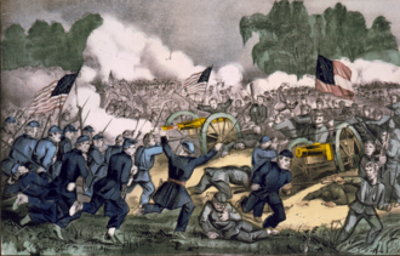
�ican Civil War: In order to help pay for the war effort, the United States government levies the first income tax as part of the Revenue Act of 1861 (3% of all incomes over US$800; rescinded in 1872).