World War I: The creation of the Canadian Automobile Machine Gun Brigade, the first fully mechanized unit in the…
World War I: The creation of the Canadian Automobile Machine Gun Brigade, the first fully mechanized unit in the British Army.
5513 results for “Sarah Marshall (British actress)” (427 ms)
World War I: The creation of the Canadian Automobile Machine Gun Brigade, the first fully mechanized unit in the British Army.
Tirah campaign: In the Battle of Saragarhi, ten thousand Pashtun tribesmen suffer several hundred casualties while attacking 21 Sikh soldiers in British service.
American Revolutionary War: American forces win the Battle of Harlem Heights after General George Washington orders a counterattack on advancing British light infantry.
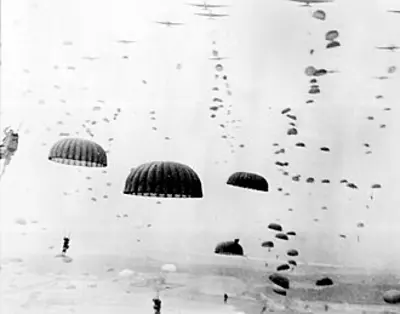
World War II: Allied airborne troops parachute into the Netherlands as the "Market" half of Operation Market Garden and British XXX Corps advances into the Netherlands as the "Garden" half of the Ope�
American Revolutionary War: The Continental Army under Richard Montgomery began the Siege of Fort St. Jean in the British province of Quebec.
American Revolutionary War: Ethan Allen and a small force of American and Quebec militia failed to capture the city of Montreal from British forces.
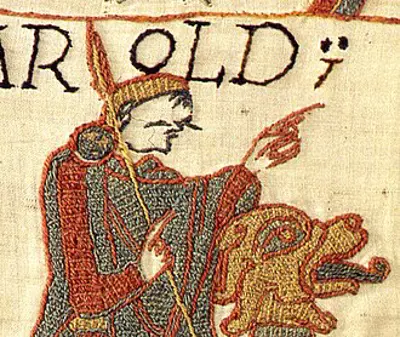
Harold Godwinson defeated King Harald III of Norway and his English ally Tostig Godwinson at the Battle of Stamford Bridge, ending the last Norse invasion of the British Isles.
Four months after the 1907 Imperial Conference, New Zealand and Newfoundland are promoted from colonies to dominions within the British Empire.
The Provisional Irish Republican Army detonated a bomb at the Grand Hotel in Brighton, England, in a failed attempt to assassinate British prime minister Margaret Thatcher and her cabinet.
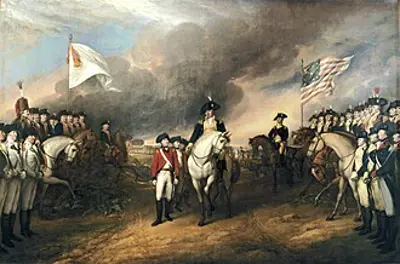
The Battle of Raft Swamp marks the last battle fought in North Carolina during the American Revolutionary War with a Patriot victory. It occurred four days before the British surrender at Yorktown.
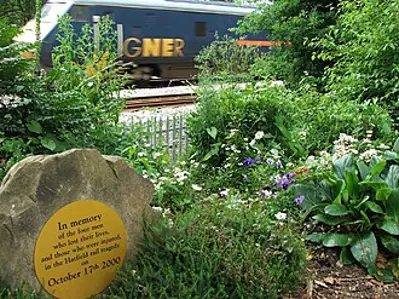
A fatal rail crash at Hatfield, Hertfordshire, led to the introduction of widespread speed limit reductions throughout the British rail network and eventually caused the collapse of the railway manag�
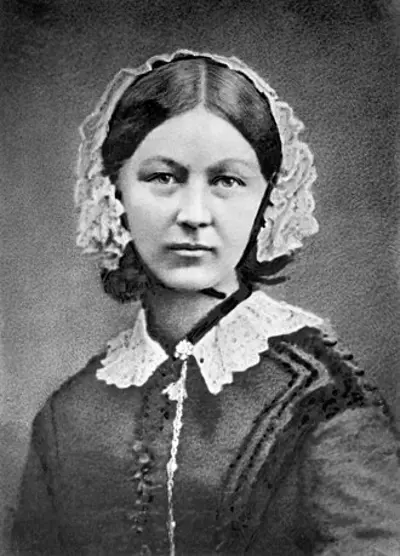
Florence Nightingale and a staff of 38 nurses and 15 nuns were sent to the Ottoman Empire to help treat wounded British soldiers fighting in the Crimean War.
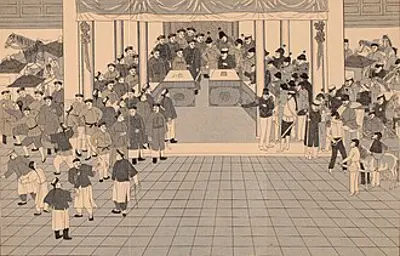
Convention of Peking: The Second Opium War formally comes to a close, with Qing China ceding Kowloon in perpetuity to the victorious British Empire.
American Revolutionary War: As George Washington's Continental Army retreated northward from New York City, the British Army captured the village of White Plains.
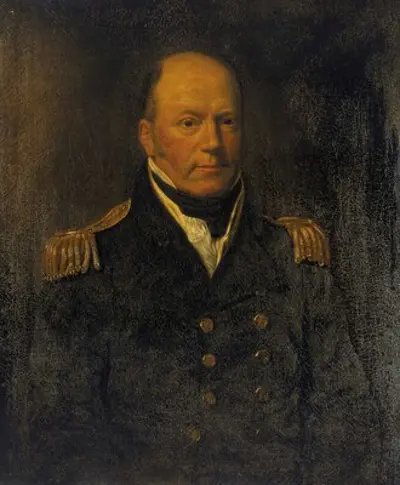
William Robert Broughton, a member of George Vancouver's expedition, observed a peak in the present-day U.S. state of Oregon and named it Mount Hood after British admiral Samuel Hood.
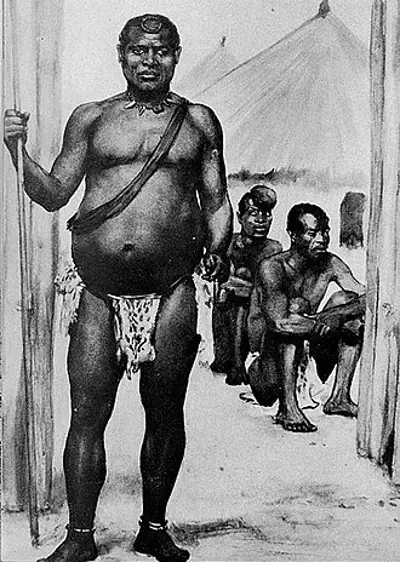
Lobengula, King of Matabeleland, granted the Rudd Concession (pictured) to agents of Cecil Rhodes, leading to the creation of the British South Africa Company.
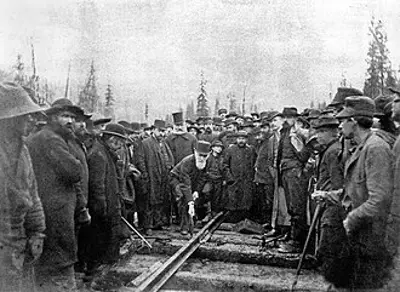
The completion of Canada's first transcontinental railway is symbolized by the Last Spike ceremony at Craigellachie, British Columbia.
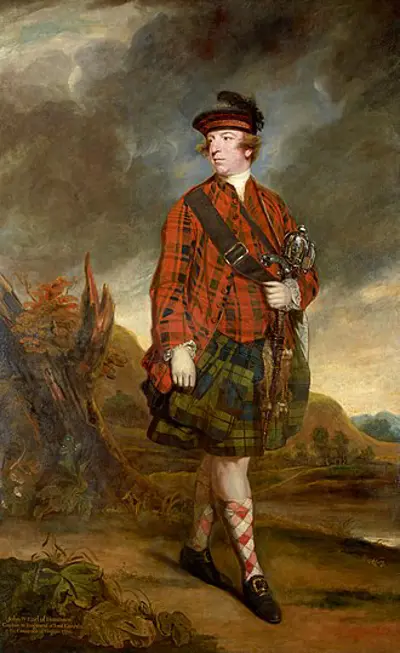
John Murray (also known as Lord Dunmore), the Royal Governor of the Colony of Virginia, starts the first mass emancipation of slaves in North America by issuing Lord Dunmore's Offer of Emancipation, �
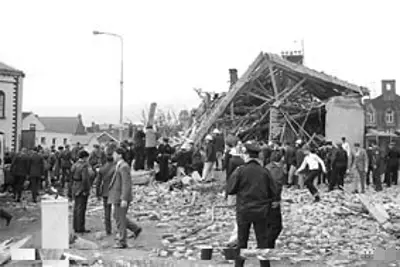
Remembrance Day bombing: A Provisional IRA bomb explodes in Enniskillen, Northern Ireland during a ceremony honouring those who had died in wars involving British forces. Twelve people are killed and�
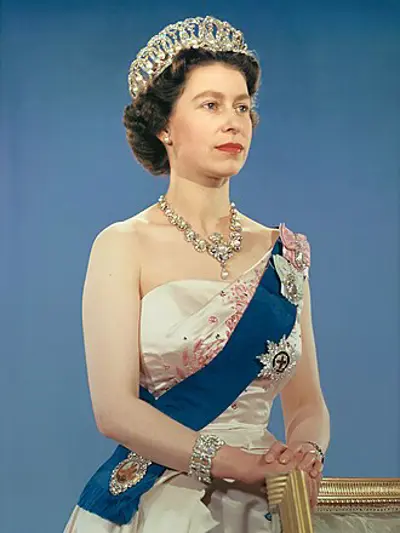
Queen Elizabeth II unveils the New Zealand War Memorial in London, United Kingdom, commemorating the loss of soldiers from the New Zealand Army and the British Army.