
1963
John F
John F. Kennedy addresses Americans from the Oval Office proposing the Civil Rights Act of 1964, which would revolutionize American society by guaranteeing equal access to public facilities, ending se�
610 results for “Alexandra of Denmark” — type: events (151 ms)
John F. Kennedy addresses Americans from the Oval Office proposing the Civil Rights Act of 1964, which would revolutionize American society by guaranteeing equal access to public facilities, ending se�

State of Uttar Pradesh v. Raj Narain: Judge Jagmohanlal Sinha rules against Indira Gandhi in a case on her election to the Indian Parliament, and that she should be banned from holding any public offi�
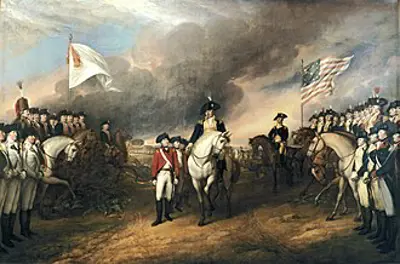
American War of Independence: British general Thomas Gage declares martial law in Massachusetts. The British offer a pardon to all colonists who lay down their arms. There would be only two exceptions�

Mary, Queen of Scots, and her new husband Bothwell are confronted by disgruntled Scottish nobles in the encounter at Carberry Hill. The stand-off ends with the surrender of queen Mary.
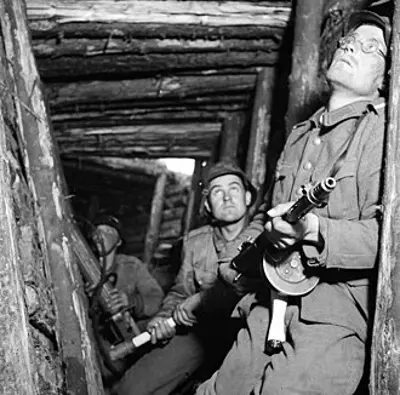
�: During the Continuation War, the Soviet Union demands unconditional surrender from Finland during the beginning of partially successful Vyborg–Petrozavodsk Offensive. The Finnish government refuses.
The Kiel Canal, crossing the base of the Jutland peninsula and the busiest artificial waterway in the world, is officially opened.
James Otis Jr. offends the King and Parliament in a speech to the Massachusetts General Court.

An earthquake measuring 6.5 Mw strikes a region of northwestern Iran killing at least 261 people and injuring 1,300 others and eventually causing widespread public anger due to the slow official respo�
NASA's Space Station Processing Facility, a new state-of-the-art manufacturing building for the International Space Station, officially opens at Kennedy Space Center.

�r Tokyo, killing two and injuring four. An hour later, the same group detonates a second bomb aboard Air India Flight 182, bringing the Boeing 747 down off the coast of Ireland killing all 329 aboard.

�ith its own refugees fleeing Seoul and leaving their 5th Division stranded, South Korean forces blow up the Hangang Bridge in an attempt to slow North Korea's offensive. The city falls later that day.

The Federal Aid Highway Act of 1956 is signed by U.S. President Dwight D. Eisenhower, officially creating the United States Interstate Highway System.

The Scottish Parliament is officially opened by Elizabeth II on the day that legislative powers are officially transferred from the old Scottish Office in London to the new devolved Scottish Executive�
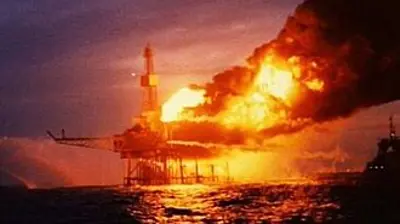
�lling platform in the North Sea is destroyed by explosions and fires. One hundred sixty-seven oil workers are killed, making it the world's worst offshore oil disaster in terms of direct loss of life.
World War II: Continuation War: Finland wins the Battle of Tali–Ihantala, the largest battle ever fought in northern Europe. The Red Army withdraws its troops from Ihantala and digs into a defensive p�
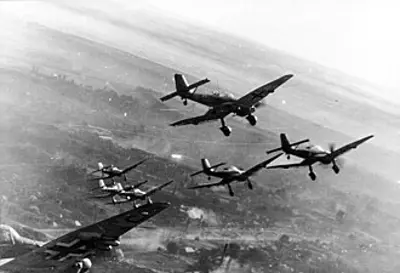
World War II: The Allied invasion of Sicily begins, leading to the downfall of Mussolini and forcing Hitler to break off the Battle of Kursk.

Engelbert Zaschka of Germany flies his large human-powered aircraft, the Zaschka Human-Power Aircraft, about 20 meters at Berlin Tempelhof Airport without assisted take-off.
Former president of the United States William Howard Taft is sworn in as 10th chief justice of the U.S. Supreme Court, becoming the only person ever to hold both offices.

John F. Kennedy Jr., his wife, Carolyn Bessette-Kennedy, and her sister, Lauren Bessette, die when the aircraft he is piloting crashes into the Atlantic Ocean off the coast of Martha's Vineyard.
Pope Pontian succeeds Urban I as the eighteenth pope. After being exiled to Sardinia, he became the first pope to resign his office.