First English Civil War: Charles I surrendered himself to Scottish Covenanter leader David Leslie near Newark, England
First English Civil War: Charles I surrendered himself to Scottish Covenanter leader David Leslie near Newark, England.
322 results for “Charles XI of Sweden” — type: selected (202 ms)
First English Civil War: Charles I surrendered himself to Scottish Covenanter leader David Leslie near Newark, England.
King Charles III and Queen Camilla were crowned at Westminster Abbey in London.
HMS Beagle (pictured), the ship that would take Charles Darwin on his voyage, was launched.
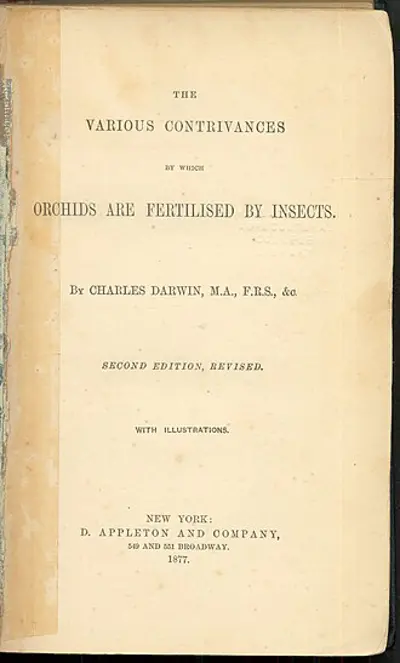
Fertilisation of Orchids, the first book by Charles Darwin which demonstrated the power of natural selection in detail, was published.
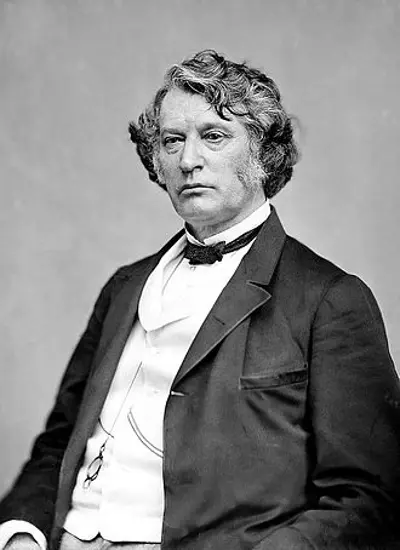
Senator Charles Sumner (pictured) was assaulted by Representative Preston Brooks in the United States Senate chamber in retaliation for a speech in which Sumner fiercely criticized slaveholders.
Former Liberia president Charles Taylor was sentenced to 50 years in prison for his role in atrocities committed during the Sierra Leone Civil War.
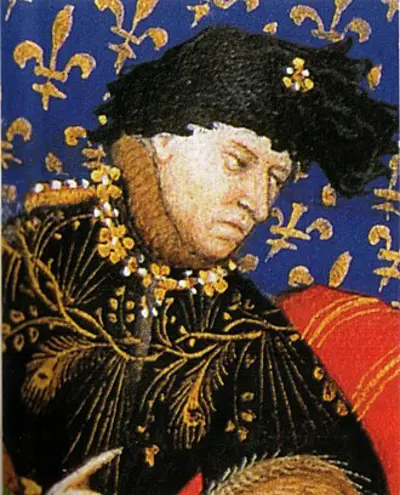
King Charles VI of France granted a monopoly to the people of Roquefort-sur-Soulzon for the ripening of Roquefort cheese (example pictured).
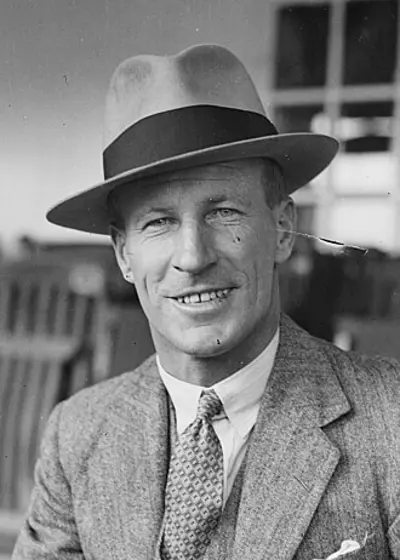
Australian aviator Charles Kingsford Smith and his crew landed the Southern Cross in Brisbane, completing the first transpacific flight.
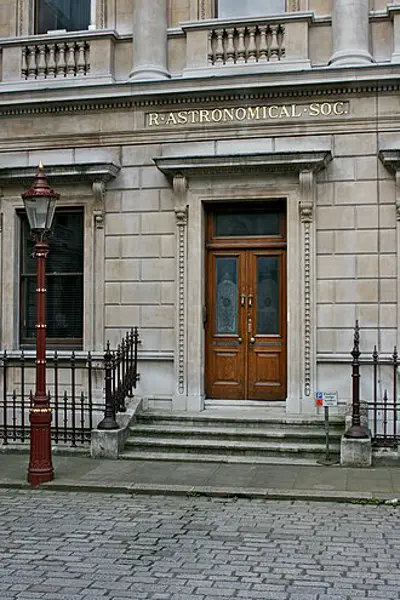
�resented to the Royal Astronomical Society, English mathematician Charles Babbage proposed a difference engine (pictured), an automatic, mechanical calculator designed to tabulate polynomial functions�
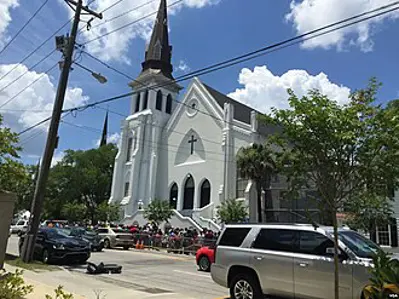
A white supremacist committed a mass shooting at the Emanuel African Methodist Episcopal Church in Charleston, South Carolina, killing nine people during a prayer service.
Charles Darwin received a manuscript by fellow naturalist Alfred Russel Wallace on natural selection, which encouraged him to publish his own theory of evolution.
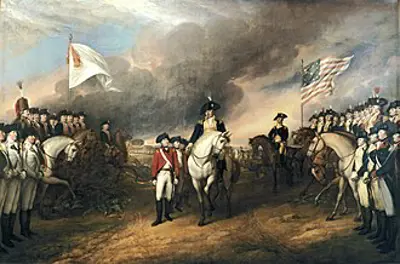
American Revolutionary War: The militia of the Province of South Carolina repelled a British attack on Charleston.
French acrobat Charles Blondin crossed Niagara Gorge, making him one of the world's most famous tightrope walkers.
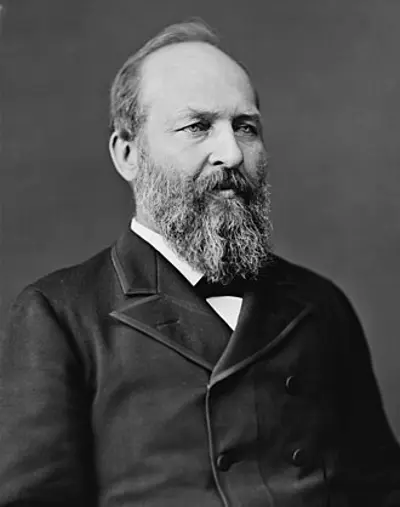
U.S. president James A. Garfield (pictured) was fatally shot by Charles J. Guiteau at the Baltimore and Potomac Railroad station in Washington, D.C.
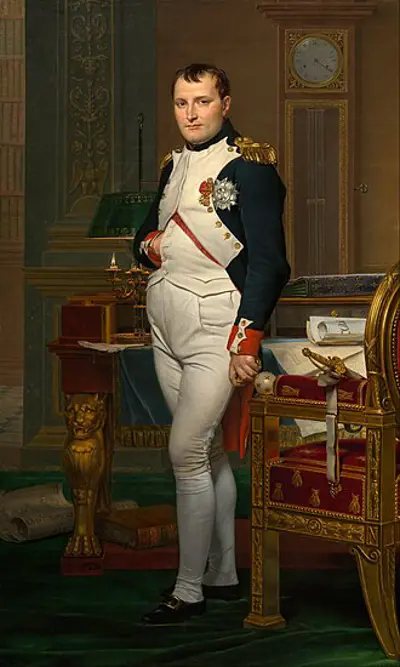
Napoleon's French forces defeated Archduke Charles' Austrian army at the Battle of Wagram, the decisive confrontation of the War of the Fifth Coalition.
King Mwambutsa IV of Burundi was deposed in a coup d'état by his son, Prince Charles Ndizi.
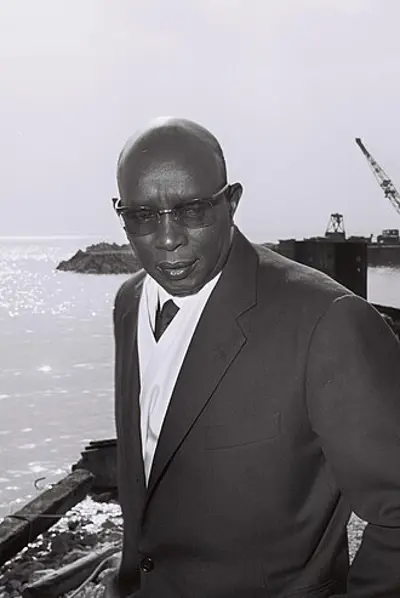
During a speech in Montreal, French president Charles de Gaulle (pictured) declared "Long live free Quebec!", a statement that was interpreted as support for Quebec independence from Canada.
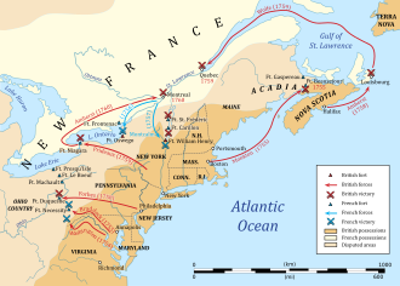
�h and Indian War: Troops led by French brigadier general François-Charles de Bourlamaque attempted to blow up Fort Carillon, near present-day Ticonderoga, New York, rather than defending it against ap�
First World War: British mariner Charles Fryatt was executed in Bruges, Belgium, after a German court-martial found him guilty of being a franc-tireur.
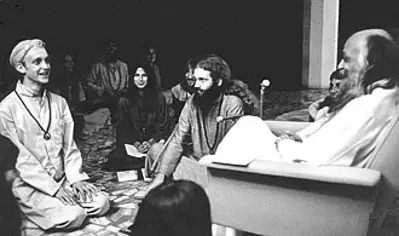
Two followers of the Indian mystic Rajneesh were convicted of a 1985 plot to assassinate Charles Turner, the U.S. attorney for the District of Oregon.