
306
Constantine the Great was proclaimed Roman emperor by his troops after the death of Constantius Chlorus.
Constantine the Great was proclaimed Roman emperor by his troops after the death of Constantius Chlorus.
86 results for “Maurice (emperor)” — type: selected (81 ms)
Constantine the Great was proclaimed Roman emperor by his troops after the death of Constantius Chlorus.

Unpopular among the Senate aristocracy for his reforming efforts, Roman emperor Majorian was deposed by Ricimer and executed five days later.

Liu Xiu proclaimed himself the monarch of the Han dynasty as Emperor Guangwu.
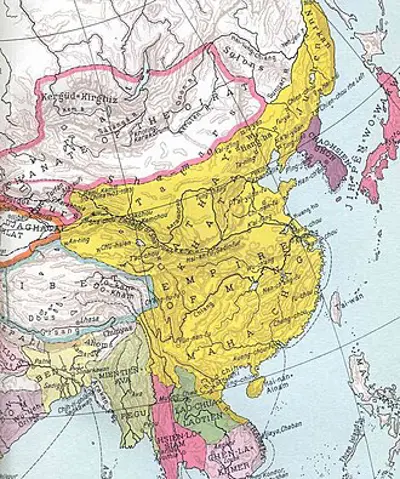
Ming Chinese general Cao Qin staged a failed coup against the Tianshun Emperor.
Liu Xiu (pictured) proclaimed himself the monarch of the Han dynasty as Emperor Guangwu.
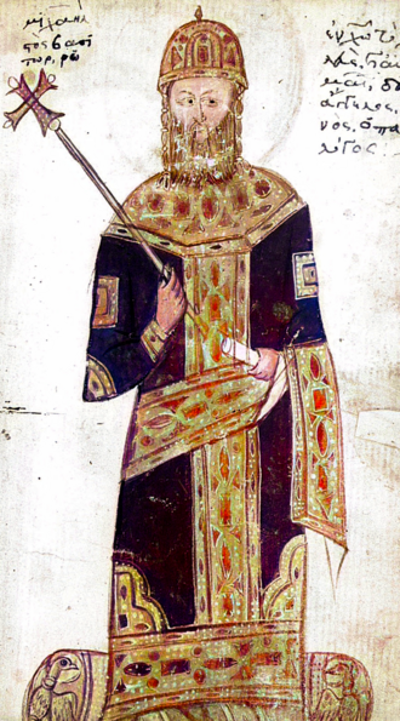
Michael VIII Palaiologos was crowned Byzantine emperor in Constantinople.
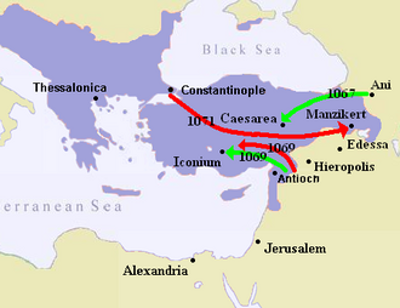
Byzantine–Seljuk wars: Seljuk Turks led by Alp Arslan captured Byzantine emperor Romanos IV at the Battle of Manzikert.
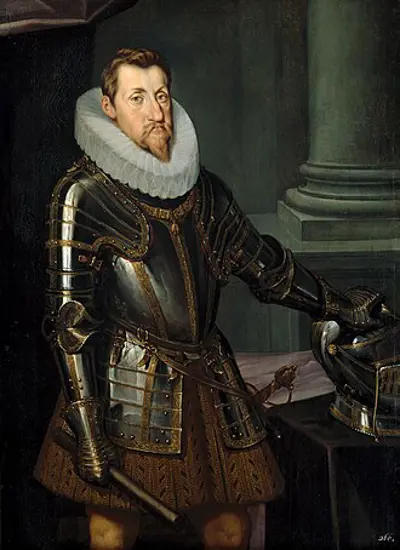
Ferdinand II, King of Bohemia and Hungary, was unanimously elected Holy Roman Emperor.
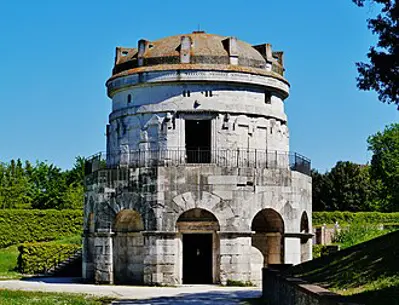
Orestes took control of Ravenna, the capital of the Western Roman Empire, forcing Emperor Julius Nepos to flee.
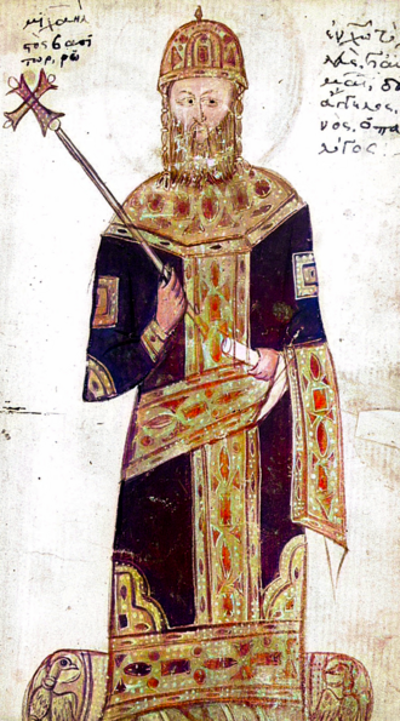
Michael VIII Palaiologoswas crowned Byzantine emperor in Constantinople.
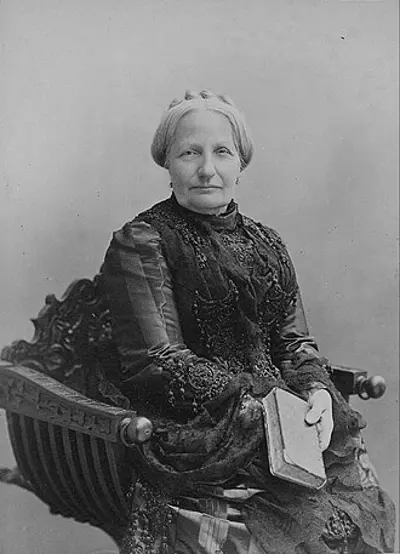
The state wedding of Teresa Cristina of the Two Sicilies and Emperor Pedro II of Brazil took place at the Cathedral of Rio de Janeiro.
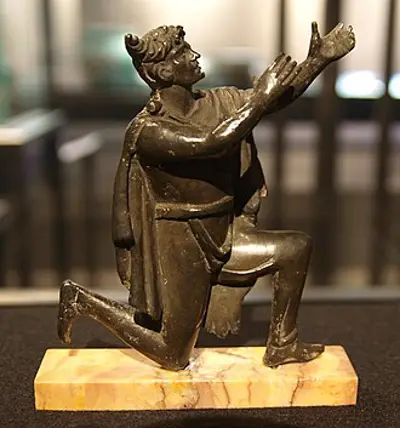
Germanic leader Odoacer captured Ravenna and deposed Emperor Romulus Augustus, marking the fall of the Western Roman Empire.
Gaki Sherocho was captured by the forces of Ethiopian emperor Menelik II, bringing an end to the Kingdom of Kaffa.
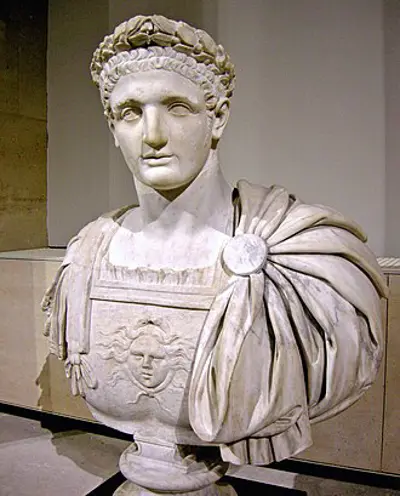
Domitian, the last Flavian emperor of Rome, was confirmed by the Senate to succeed his brother Titus.
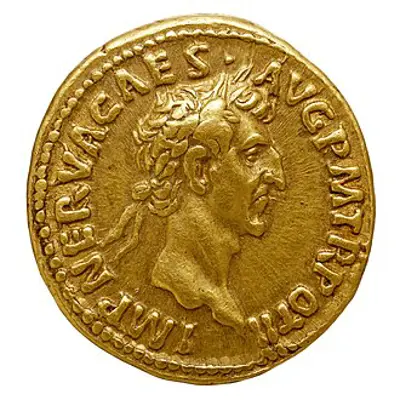
Nerva, the first of the "Five Good Emperors" of ancient Rome, came to power following the assassination of his predecessor Domitian.
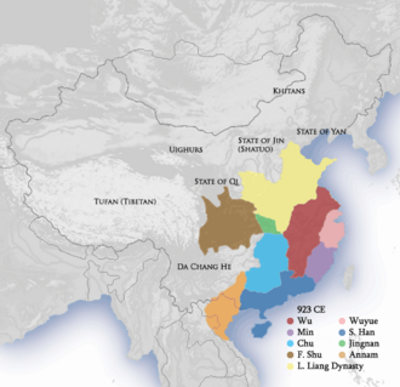
Liu Yan declared himself emperor, establishing the state of Southern Han at his capital of Panyu (present-day Guangzhou) in southern China.
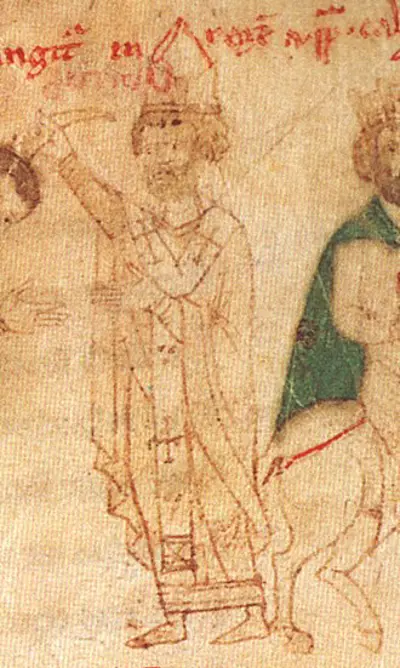
Pope Callixtus II and Holy Roman emperor Henry V agreed the Concordat of Worms (pictured), ending the Investiture Controversy.
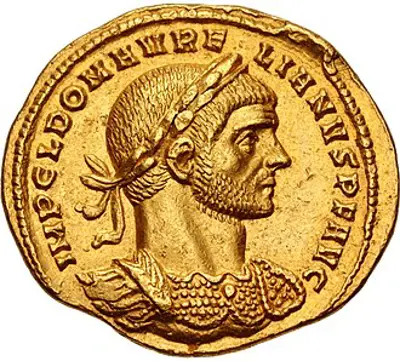
After the assassination of Aurelian, Tacitus (depicted) was chosen by the Senate to succeed him as Roman emperor.
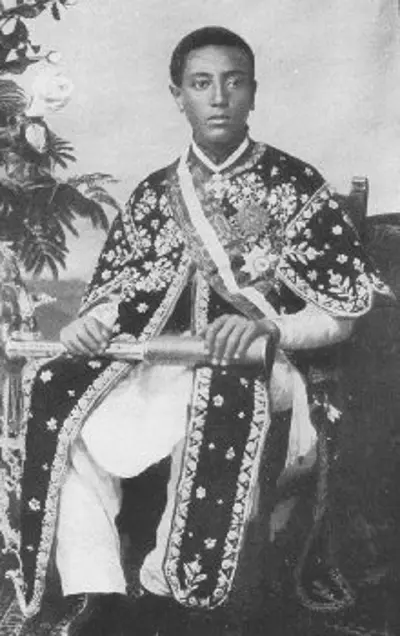
Lij Iyasu (pictured), the emperor-designate of Ethiopia, was deposed in favor of his aunt Zewditu.
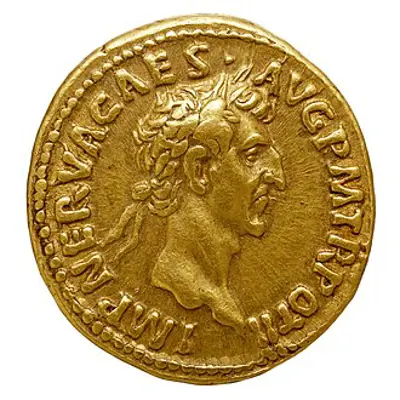
Nerva (depicted), the first of the "Five Good Emperors" of ancient Rome, came to power following the assassination of his predecessor Domitian.