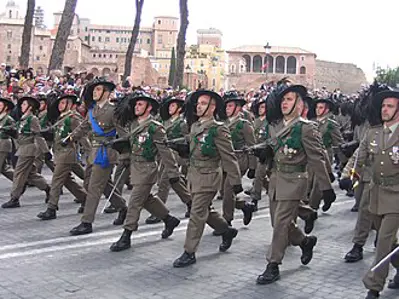
The Bersaglieri entered Rome through the Porta Pia, ending the temporal power of the Pope and completing the…
The Bersaglieri entered Rome through the Porta Pia, ending the temporal power of the Pope and completing the unification of Italy.
54 results for “Pope Clement IV” — type: selected (79 ms)
The Bersaglieri entered Rome through the Porta Pia, ending the temporal power of the Pope and completing the unification of Italy.
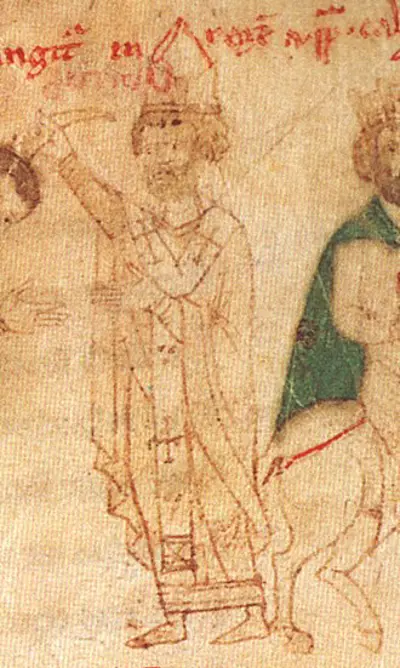
Pope Callixtus II and Holy Roman emperor Henry V agreed the Concordat of Worms (pictured), ending the Investiture Controversy.
Pope Alexander VI issued the papal bull Dudum siquidem, one of the Bulls of Donation, marking the beginning of the Spanish colonization of the Americas.
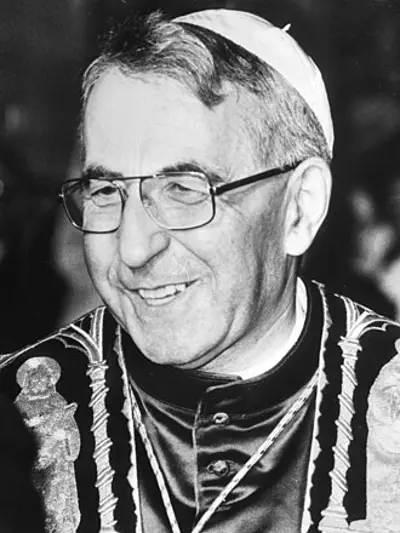
Pope John Paul I died only 33 days after his papal election due to an apparent myocardial infarction, resulting in the first year of three popes since 1605.
Pope Honorius I was posthumously excommunicated at the Third Council of Constantinople, with his support for monothelitism deemed to be heretical.
Sinéad O'Connor tore up a photograph of Pope John Paul II on live television.
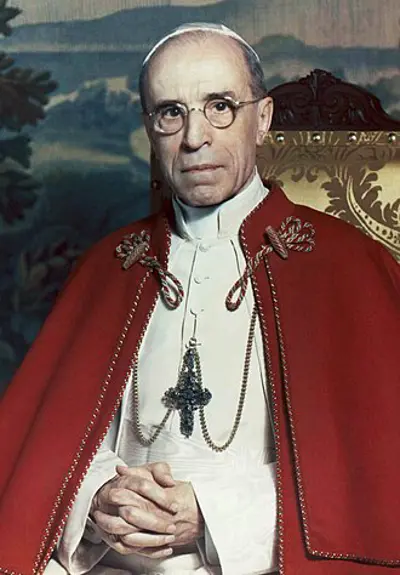
Pope Pius XII (pictured) published his first encyclical, Summi Pontificatus, which critiqued ideologies such as racism, cultural superiority and totalitarianism.
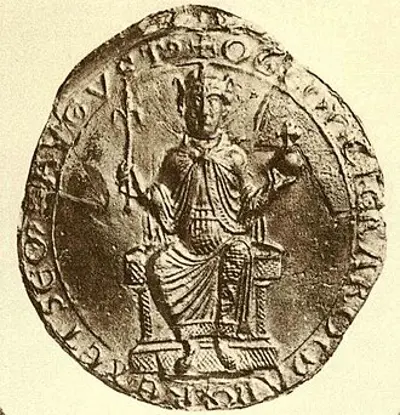
Otto IV, Holy Roman Emperor, was excommunicated by Pope Innocent III after Otto commanded him to annul the Concordat of Worms.
A papal conclave, which had been deadlocked due to concerns over how a successor would respond to the impending death of Charles II of Spain, ended with the election of Clement XI.
Faustina Kowalska, a Polish nun whose apparitions of Jesus inspired the Catholic devotion to the Divine Mercy, was canonized by Pope John Paul II.
After a scuffle in which one cardinal had several bones broken, a papal conclave convened in Rome elected Camillo Borghese as Pope Paul V.
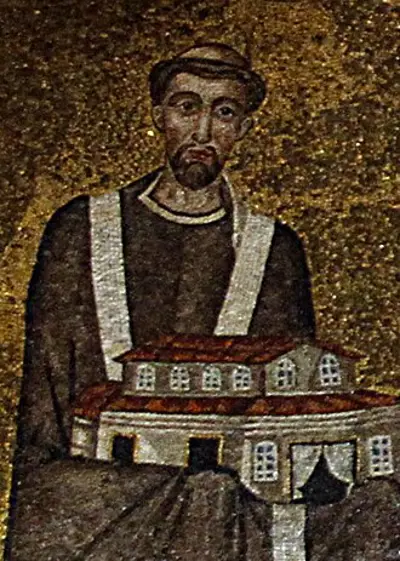
Gregory II began his pontificate; his conflict with Byzantine emperor Leo III eventually led to the establishment of the temporal power of the pope.
English friar William of Ockham, who popularised the methodological principle known as Occam's razor, secretly left Avignon under threat from Pope John XXII.
The Parliament of England passed the first Act of Supremacy, making King Henry VIII head of the Church of England, supplanting the pope and the Catholic Church.