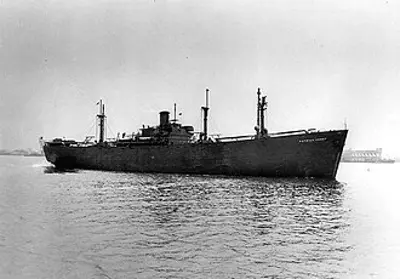
SS Patrick Henry, the first of 2,710 Liberty ships built during World War II by the United States, was launched.
59 results for “Thomas Henry Ismay” — type: selected (136 ms)
SS Patrick Henry, the first of 2,710 Liberty ships built during World War II by the United States, was launched.
In the Battle of Tinchebray in Normandy, the invading King Henry I of England captured his brother Robert Curthose.
American Revolutionary War: Fort Clinton and Fort Montgomery were captured by British forces under Sir Henry Clinton, dismantling the Hudson River Chains.
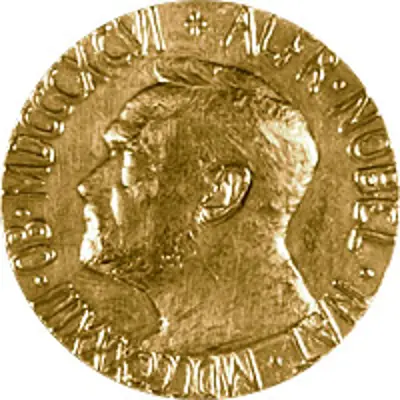
The Norwegian Nobel Committee announced that the 1973 Nobel Peace Prize would be jointly awarded to Henry Kissinger and Lê Đức Thọ, sparking international controversy.
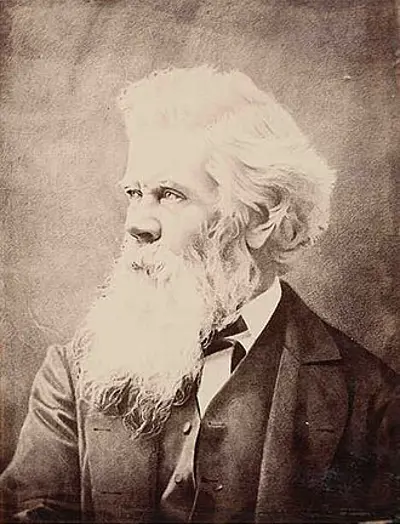
Sir Henry Parkes, Premier of the Colony of New South Wales, gave a speech in which he called for the federation of the six Australian colonies.
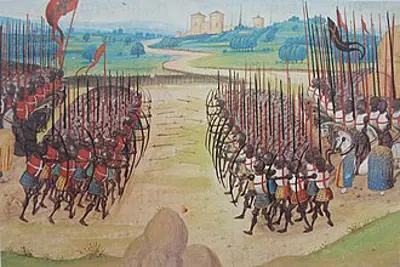
Hundred Years' War: The army of Henry V of England, consisting mostly of archers, unexpectedly defeated the numerically superior French cavalry at the Battle of Agincourt (pictured) on Saint Crispin's�
The Parliament of England passed the first Act of Supremacy, making King Henry VIII head of the Church of England, supplanting the pope and the Catholic Church.
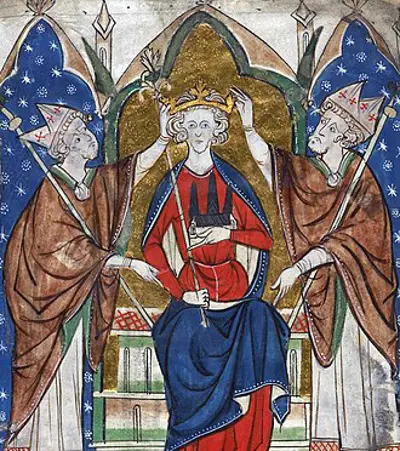
King Henry III of England issued the Charter of the Forest, re-establishing the rights of access of free men to royal forests.
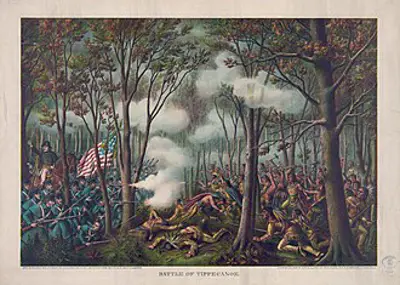
Tecumseh's War: American forces led by William Henry Harrison defeated the forces of Shawnee leader Tecumseh's growing confederation at the Battle of Tippecanoe near present-day Battle Ground, Indiana�
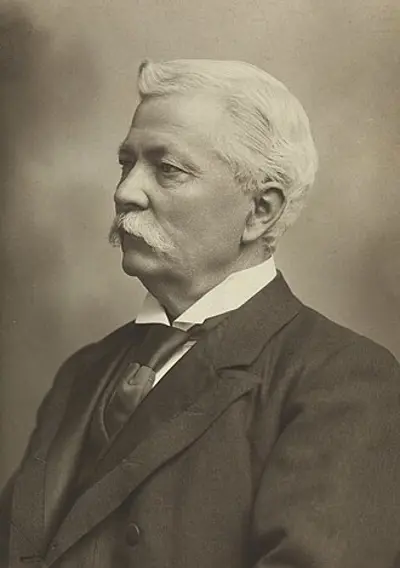
Journalist and explorer Henry Morton Stanley (pictured) located missing missionary and explorer David Livingstone near Lake Tanganyika in present-day Tanzania.
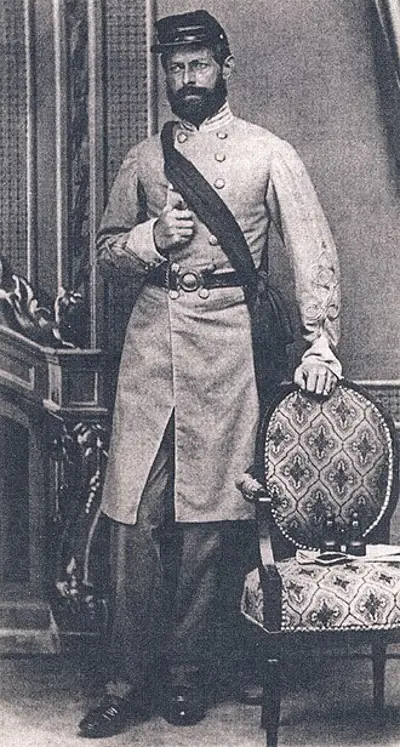
Henry Wirz, the Confederate superintendent of Andersonville Prison, was hanged after a controversial conviction, becoming the only American Civil War officer executed for war crimes.
Hale–Bopp, one of the most widely observed comets of the 20th century, was independently discovered by astronomers Alan Hale and Thomas Bopp.
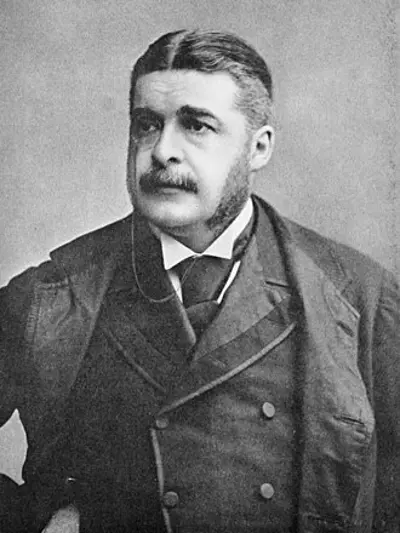
One of the first recordings of music, of Arthur Sullivan's "The Lost Chord", was played at a press conference in London to introduce Thomas Edison's phonograph.
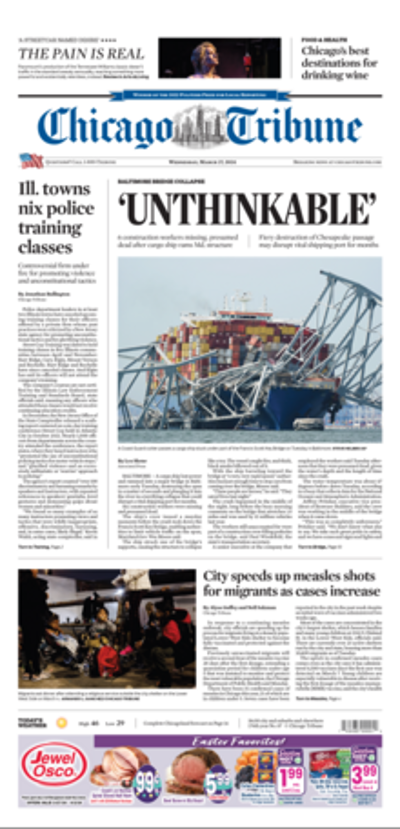
�man" (pictured) in its early morning edition shortly after incumbent U.S. president Harry S. Truman officially upset the heavily favored governor of New York Thomas Dewey in the presidential election.
�teen-year-old Sybil Ludington allegedly rode forty miles (64 km) through the night to warn militiamen under her father Henry's command that British troops were planning to invade Danbury, Connecticut.
Edward Stafford (pictured), whose father had been beheaded for rebelling against King Richard III of England, was himself executed for treason against King Henry VIII.
The original Globe Theatre in London burned to the ground after a cannon employed for special effects misfired during a performance of Henry VIII and ignited the roof.
The Honourable Artillery Company, now the oldest surviving regiment in the British Army, was granted a royal charter by Henry VIII.
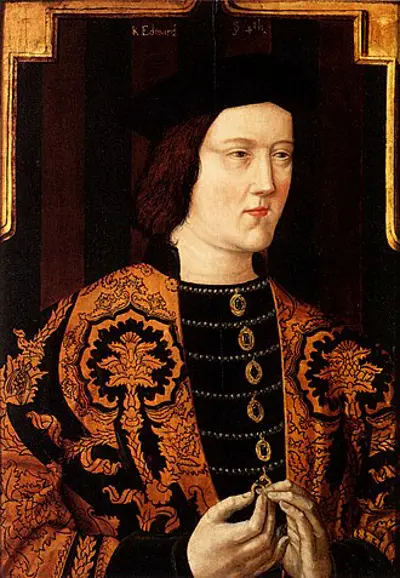
With King Edward IV of England forced to flee to the Burgundian Netherlands after a rebellion organised by Richard Neville, 16th Earl of Warwick, Henry VI was restored to the throne.