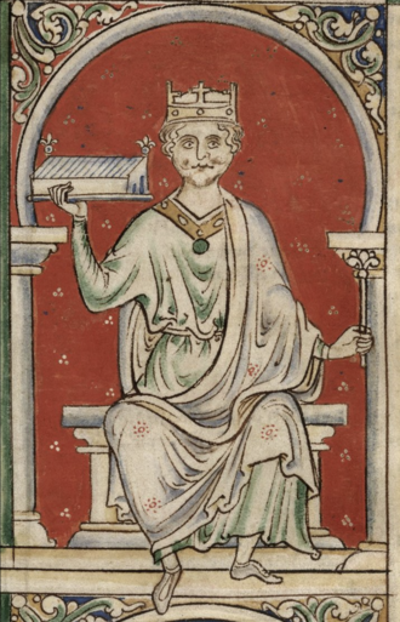
1087
William II is crowned King of England, and reigns until 1100.
William II is crowned King of England, and reigns until 1100.
5617 results for “William R. Moses” — type: events (871 ms)
William II is crowned King of England, and reigns until 1100.
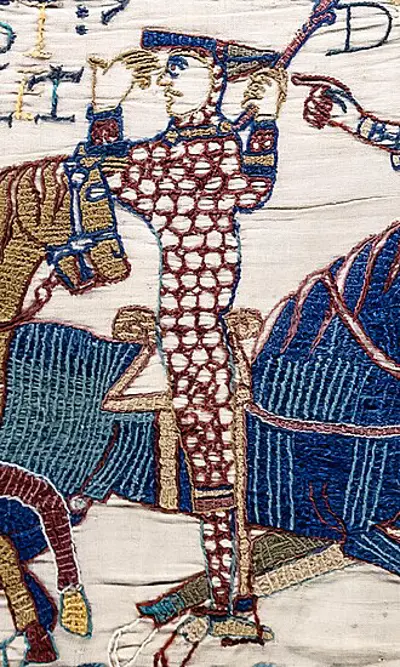
William the Conqueror and his army set sail from the mouth of the Somme river, beginning the Norman conquest of England.
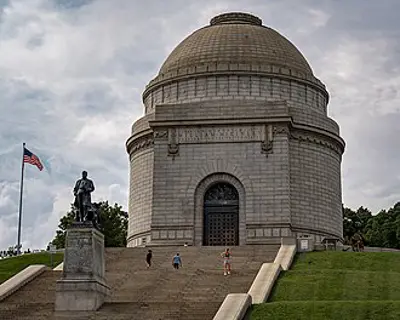
The McKinley National Memorial, the final resting place of assassinated U.S. President William McKinley and his family, is dedicated in Canton, Ohio.
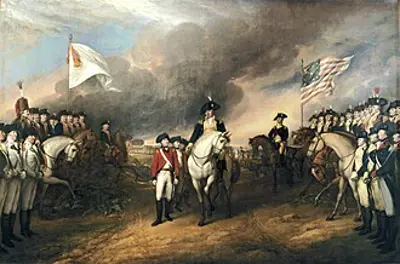
American Revolutionary War: Troops under George Washington are repelled by British troops under William Howe.
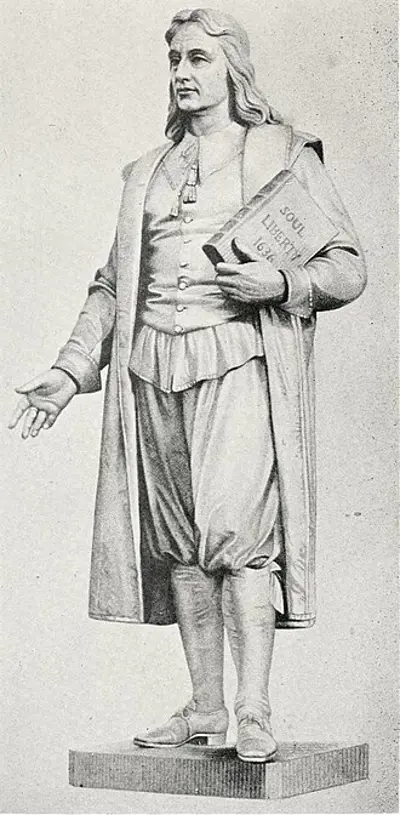
Roger Williams is banished from the Massachusetts Bay Colony after religious and policy disagreements.
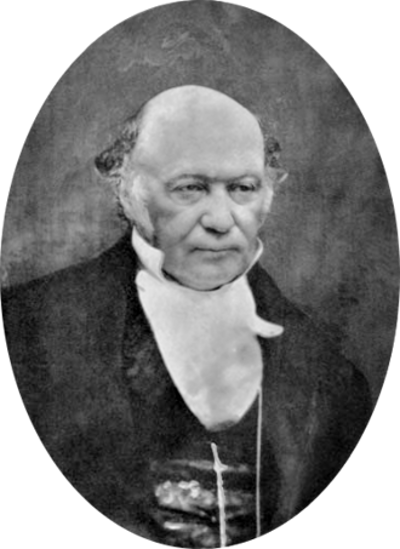
William Rowan Hamilton invents quaternions, a three-dimensional system of complex numbers.
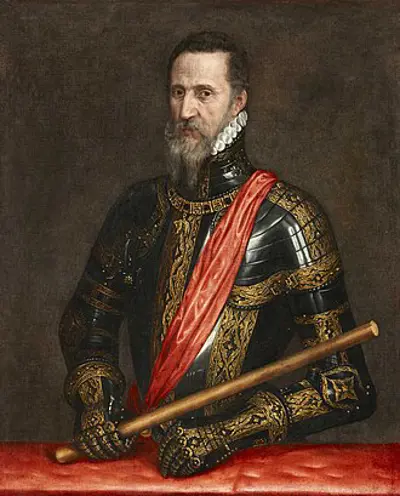
The Spanish Duke of Alba defeats a Dutch rebel force under William the Silent.
American Revolutionary War: British troops under General William Howe attack General George Washington's Continental Army and capture Chatterton Hill in the Battle of White Plains during the New York�
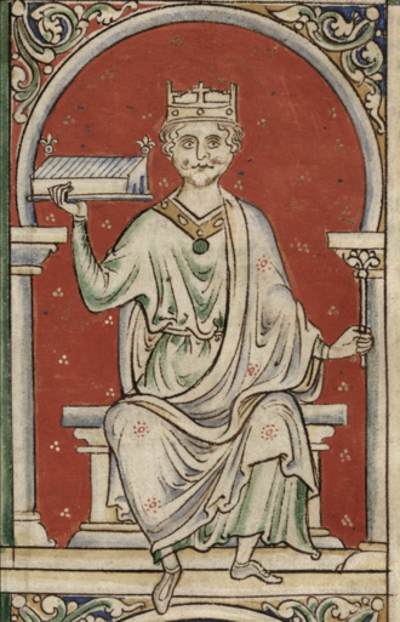
The Rouen Riot, an attempt by English king William Rufus to take possession of Rouen, the capital city of his brother Robert, duke of Normandy, fails.
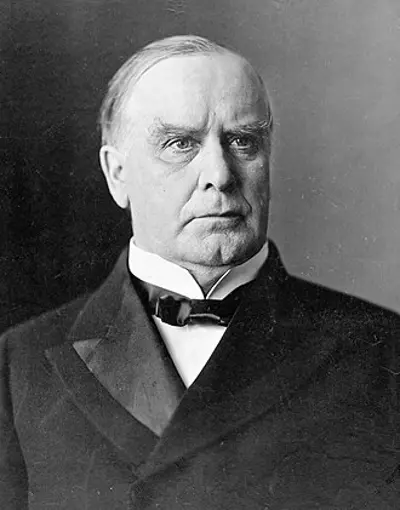
President William McKinley is re-elected, along with his vice-presidential running mate, Governor Theodore Roosevelt of New York.
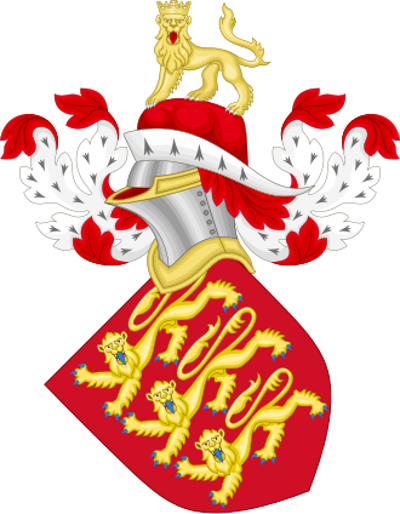
�Cathedral, London by King Henry III, acting under the regency of William Marshall, 1st Earl of Pembroke which re-establishes for free men rights of access to the royal forest that had been eroded by�
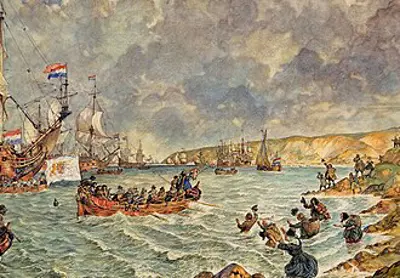
Glorious Revolution: William of Orange captures Exeter.
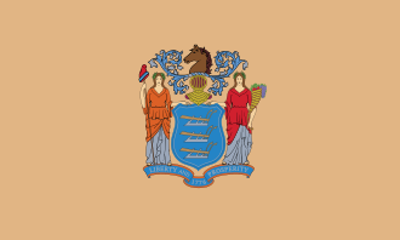
The last colonial governor of New Jersey, William Franklin, signs the charter of Queen's College (later renamed Rutgers University).
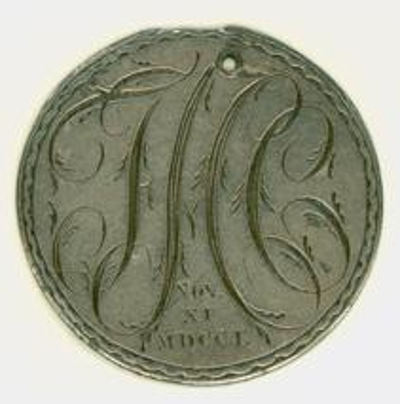
The F.H.C. Society, also known as the Flat Hat Club, is formed at Raleigh Tavern, Williamsburg, Virginia. It is the first college fraternity.
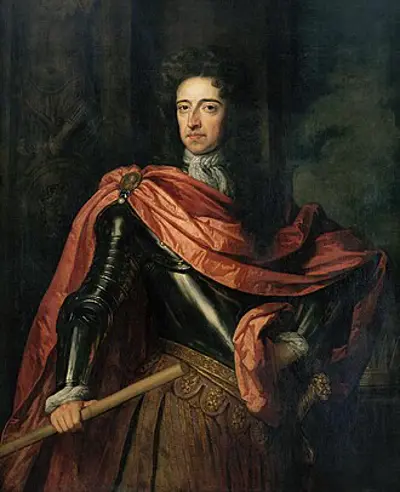
The Dutch invasion fleet of William of Orange departs from the Dutch Republic for the second time, beginning the 1688 invasion of England.
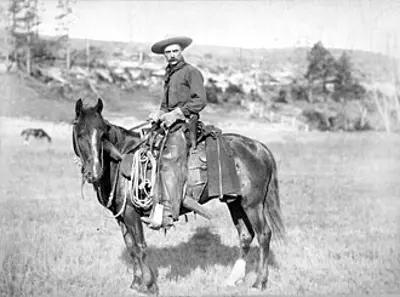
American Old West: Missouri trader William Becknell arrives in Santa Fe, New Mexico, over a route that became known as the Santa Fe Trail.
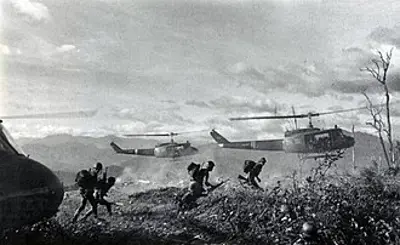
Vietnam War: American General William Westmoreland tells news reporters: "I am absolutely certain that whereas in 1965 the enemy was winning, today he is certainly losing."
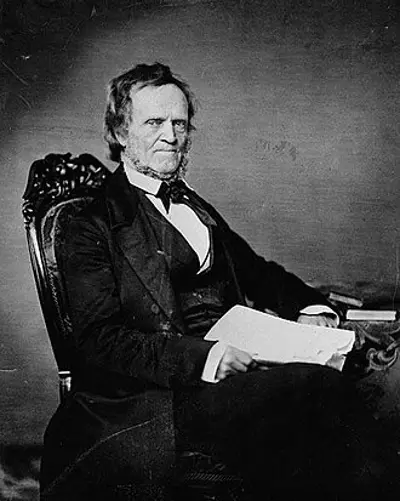
Canadian journalist and politician William Lyon Mackenzie calls for a rebellion against the United Kingdom in his essay "To the People of Upper Canada", published in his newspaper The Constitution.

Spanish–American War: President William McKinley calls for 125,000 volunteers to join the National Guard and fight in Cuba, while Congress more than doubles regular Army forces to 65,000.

William Clark and 42 men depart from Camp Dubois to join Meriwether Lewis at St Charles, Missouri, marking the beginning of the Lewis and Clark Expedition's historic journey up the Missouri River.