1973
Watergate scandal: U
Watergate scandal: U.S. President Richard Nixon fires White House Counsel John Dean; other top aides, most notably H. R. Haldeman and John Ehrlichman, resign.
5002 results for “Richard I of Normandy” — type: events (1047 ms)
Watergate scandal: U.S. President Richard Nixon fires White House Counsel John Dean; other top aides, most notably H. R. Haldeman and John Ehrlichman, resign.
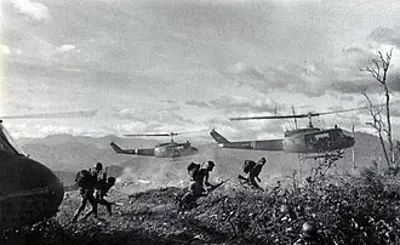
Vietnam War: U.S. President Richard Nixon announces his order to place naval mines in major North Vietnamese ports in order to stem the flow of weapons and other goods to that nation.
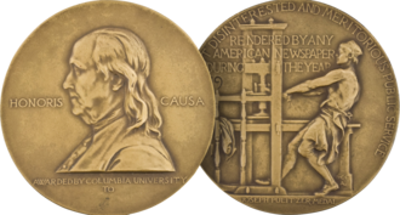
The first Pulitzer Prizes are awarded: Laura E. Richards, Maude H. Elliott, and Florence Hall receive the first Pulitzer for biography (for Julia Ward Howe). Jean Jules Jusserand receives the first Pu�

U.S. president Richard Nixon in a televised press conference called drug abuse "America's public enemy number one", starting the war on drugs.
The Twenty-sixth Amendment to the United States Constitution, lowering the voting age from 21 to 18 years, is formally certified by President Richard Nixon.
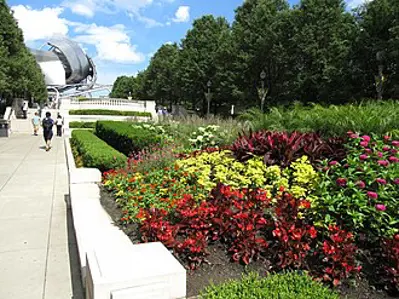
Millennium Park, considered Chicago's first and most ambitious early 21st-century architectural project, is opened to the public by Mayor Richard M. Daley.
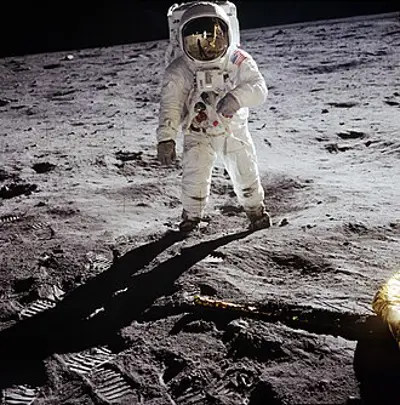
The Apollo 11 astronauts enjoy a ticker-tape parade in New York City. That evening, at a state dinner in Los Angeles, they are awarded the Presidential Medal of Freedom by U.S. President Richard Nixon�
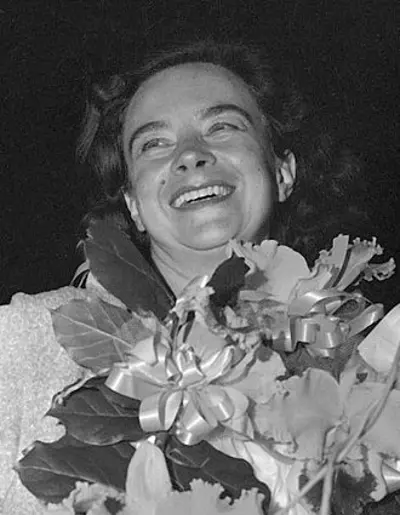
Jerrie Mock completes the first around-the-world airplane flight by a woman. Her solo flight in the Spirit of Columbus, which took 29 1/2 days, took off and landed at the Port Columbus International A�
Sardinians, headed by Giovanni Maria Angioy, start a revolution against the Savoy domination, expelling Viceroy Balbiano and his officials from Cagliari, the capital and largest city of the island.
RMS Lusitania departs from New York City on her 202nd, and final, crossing of the North Atlantic. Six days later, the ship is torpedoed off the coast of Ireland with the loss of 1,198 lives.
The four-day Naval Battle of Hakodate begins. The newly formed Imperial Japanese Navy defeats the remnants of the Tokugawa shogunate navy in the Sea of Japan off the city of Hakodate, leading to the s�
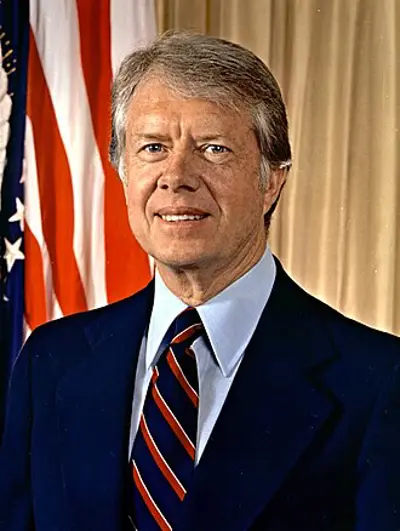
Former US President Jimmy Carter arrives in Cuba for a five-day visit with Fidel Castro, becoming the first President of the United States, in or out of office, to visit the island since the Cuban Rev�
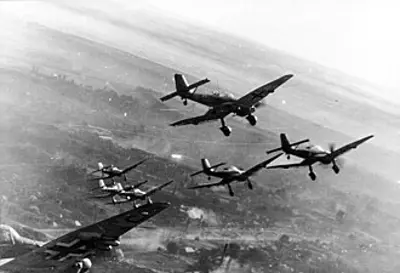
World War II: Second Battle of Kharkov: In eastern Ukraine, Red Army forces under Marshal Semyon Timoshenko launch a major offensive from the Izium bridgehead, only to be encircled and destroyed by th�
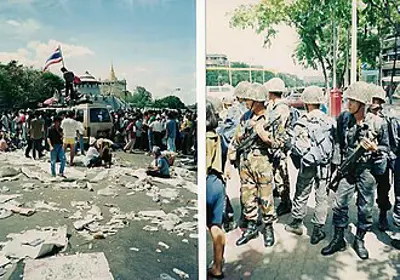
Three days of popular protests against the government of Prime Minister of Thailand Suchinda Kraprayoon begin in Bangkok, leading to a military crackdown that results in 52 officially confirmed deaths�

The Sedition Act of 1918 is passed by the U.S. Congress, making criticism of the government during wartime an imprisonable offense. It will be repealed less than two years later.
Solidarity's victory in the 1989 Polish legislative election occurs, the first election since the Communist Polish United Workers' Party abandoned its monopoly of power. It sparks off the Revolutions�
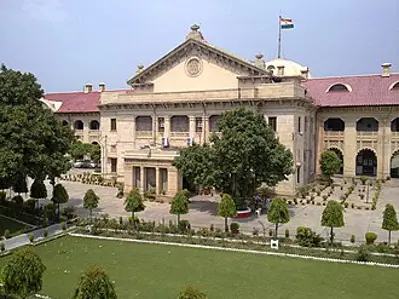
State of Uttar Pradesh v. Raj Narain: Judge Jagmohanlal Sinha rules against Indira Gandhi in a case on her election to the Indian Parliament, and that she should be banned from holding any public offi�
An earthquake measuring 6.5 Mw strikes a region of northwestern Iran killing at least 261 people and injuring 1,300 others and eventually causing widespread public anger due to the slow official respo�
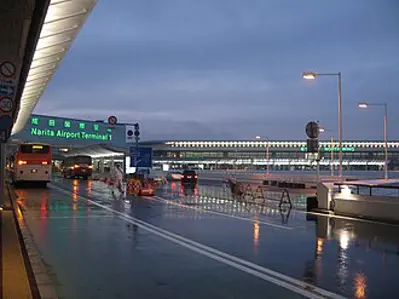
A terrorist bomb explodes at Narita International Airport near Tokyo, killing two and injuring four. An hour later, the same group detonates a second bomb aboard Air India Flight 182, bringing the Boe�