
1963
United States Attorney General Robert F
United States Attorney General Robert F. Kennedy met with African American author James Baldwin in an unsuccessful attempt to improve race relations.
751 results for “Charles J. Watters” — type: selected (719 ms)
United States Attorney General Robert F. Kennedy met with African American author James Baldwin in an unsuccessful attempt to improve race relations.

Having purged a group of rivals, Supreme Leader of North Korea Kim Il Sung delivered the "May 25 teaching", entrenching his son Kim Jong Il as his designated successor.

In an address to Congress, U.S. president John F. Kennedy announced his support for the Apollo program, with "the goal, before this decade is out, of landing a man on the Moon and returning him safel�

The Wehrmacht and their collaborationist allies launched Operation Rösselsprung, a failed attempt to assassinate the Yugoslav Partisan leader Josip Broz Tito.

English friar William of Ockham, who popularised the methodological principle known as Occam's razor, secretly left Avignon under threat from Pope John XXII.

An earthquake registering 6.4 Mw struck near the city of Yogyakarta on the southern side of the Indonesian island of Java, killing more than 5,700 people.
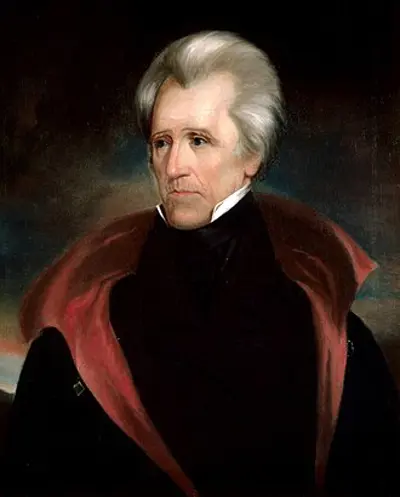
U.S. president Andrew Jackson signed the Indian Removal Act into law, authorizing him to negotiate with Native Americans for their removal from their ancestral homelands.

French and Indian War: Led by 22-year-old George Washington, a company of Virginia colonial militiamen ambushed a force of 35 Canadiens at the Battle of Jumonville Glen.

An organized mob of police and government-sponsored Sinhalese paramilitary forces began three days of attacks that led to the burning of the Jaffna Library in Sri Lanka.
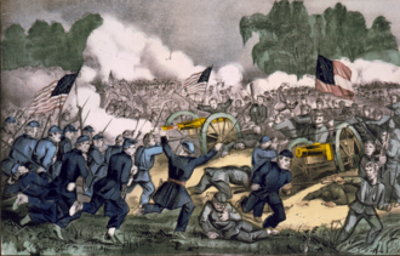
American Civil War: Confederate troops under Joseph E. Johnston and G. W. Smith engaged Union forces under George B. McClellan at the Battle of Seven Pines outside Richmond, Virginia.
War of 1812: Mortally wounded, U.S. Navy captain James Lawrence ordered his crew "Don't give up the ship!" as USS Chesapeake was captured by HMS Shannon off the coast of Boston.
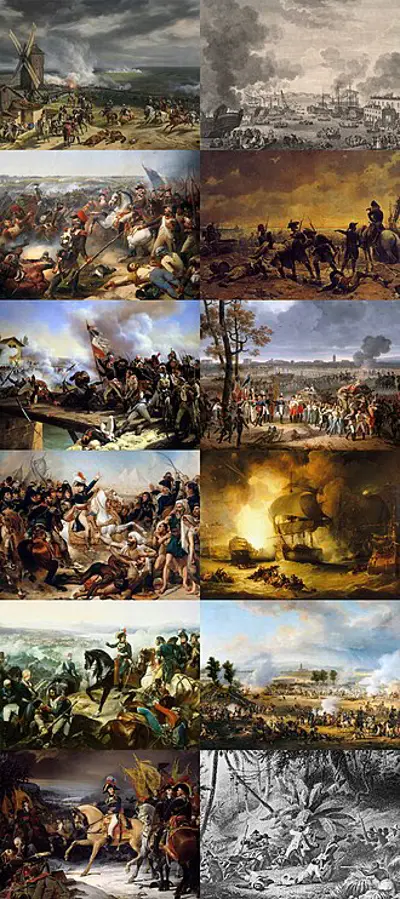
French Revolutionary Wars: A British fleet captured six French ships of the line in a naval battle off Ushant that came to be known as the Glorious First of June (pictured).

Benno Ohnesorg, a German university student, was killed in West Berlin while protesting against the visit of Shah Mohammad Reza Pahlavi of Iran; the anarchist militant 2 June Movement was later named�

Franz Rademacher, a Nazi official, proposed that the island of Madagascar be made available as a destination for the resettlement of the Jewish population of Europe.

Following Israel's initiation of Operation Focus with the goal to neutralise the Egyptian Air Force, Syrian Air Force, and the Royal Jordanian Air Force, the Six-Day War begins.

The Ancient Temples and Shrines Preservation Law was passed, instituting the protection of structures and artifacts in Japan designated National Treasures.

An earthquake registering approximately 7.5 Mw caused Port Royal, Jamaica, to sink below sea level and killed approximately 5,000 people.
American Civil War: The Confederate Army won a resounding victory at the Battle of Cross Keys, one of the two decisive battles in Jackson's Valley campaign.

Unhappy with U.S. president Woodrow Wilson's handling of the RMS Lusitania sinking, William Jennings Bryan resigned as Secretary of State.

A plane crashed near Kota Kinabalu International Airport, Malaysia, killing politicians Fuad Stephens (pictured) and Peter Joinud Mojuntin, along with nine others.