1934
New Deal: U
New Deal: U.S. President Franklin D. Roosevelt signs the Securities Exchange Act of 1934 into law, establishing the U.S. Securities and Exchange Commission.
11201 results for “A. P. Hill” — type: events (6106 ms)
New Deal: U.S. President Franklin D. Roosevelt signs the Securities Exchange Act of 1934 into law, establishing the U.S. Securities and Exchange Commission.
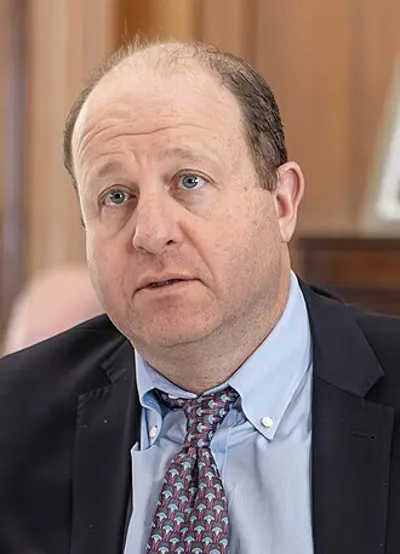
Governor Davis H. Waite orders the Colorado state militia to protect and support the miners engaged in the Cripple Creek miners' strike.
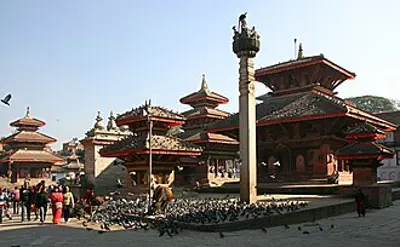
The M8.2–8.8 Lo Mustang earthquake affects Tibet and Nepal, causing severe damage in Kathmandu and parts of the Indo-Gangetic plain.
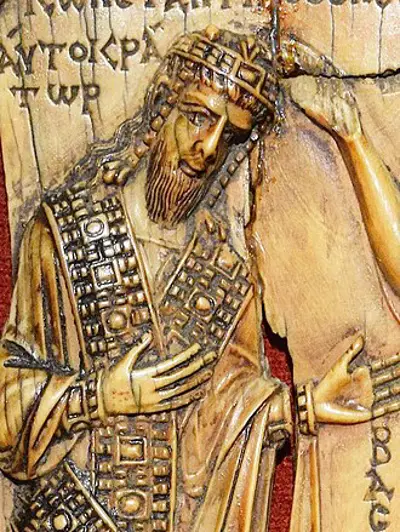
Constantine VII, the eight-year-old illegitimate son of Leo VI the Wise, becomes nominal ruler of the Byzantine Empire under the regency of a seven-man council headed by Patriarch Nicholas Mystikos, �
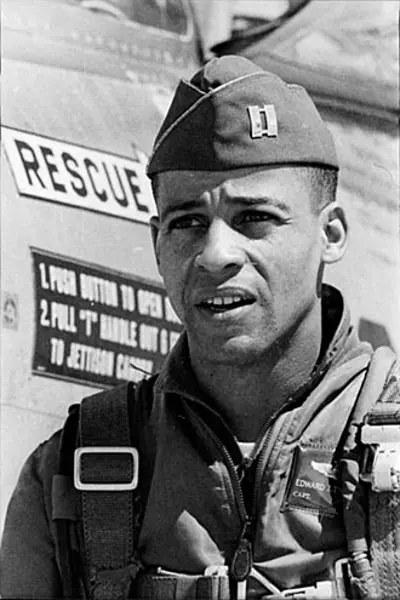
Downed U.S. Air Force pilot Captain Scott O'Grady is rescued by U.S. Marines in Bosnia.
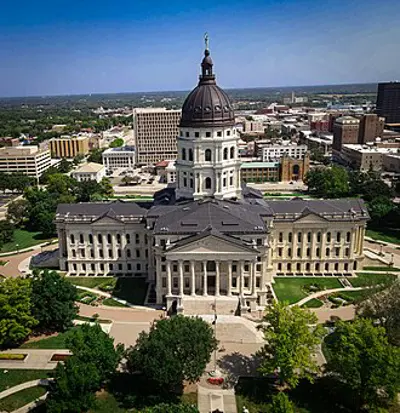
Topeka, Kansas, United States is devastated by a tornado that registers as an "F5" on the Fujita scale, exceeding US$200 million in damages. Seventeen people are killed, over five hundred more injure�
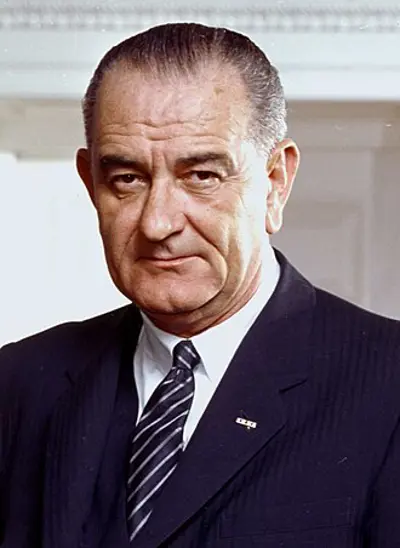
U.S. President Lyndon B. Johnson declares a national day of mourning following the assassination of Senator Robert F. Kennedy.
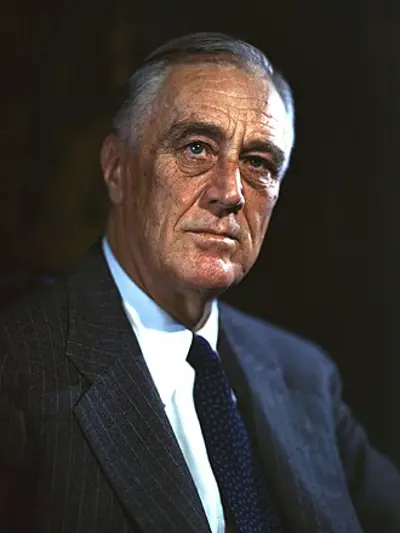
World War II: U.S. President Franklin D. Roosevelt denounces Italy's actions in his "Stab in the Back" speech at the graduation ceremonies of the University of Virginia.
Mount Tarawera in New Zealand erupts, killing 153 people and burying the famous Pink and White Terraces. Eruptions continue for three months creating a large, 17 km (11 mi) long fissure across the mo�
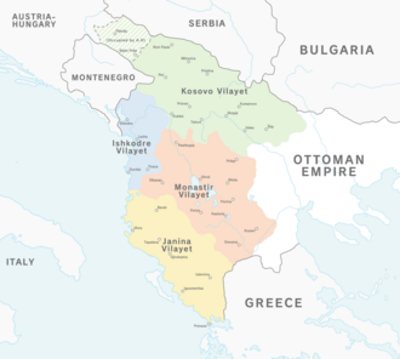
League of Prizren is established, to oppose the decisions of the Congress of Berlin and the Treaty of San Stefano, as a consequence of which the Albanian lands in the Balkans were being partitioned a�
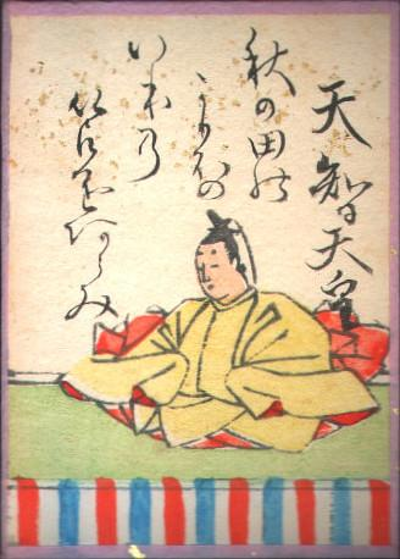
Emperor Tenji of Japan introduces a water clock (clepsydra) called Rokoku. The instrument, which measures time and indicates hours, is placed in the capital of Ōtsu.
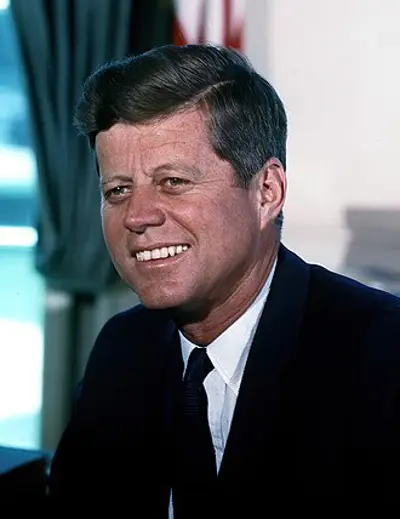
John F. Kennedy addresses Americans from the Oval Office proposing the Civil Rights Act of 1964, which would revolutionize American society by guaranteeing equal access to public facilities, ending s�
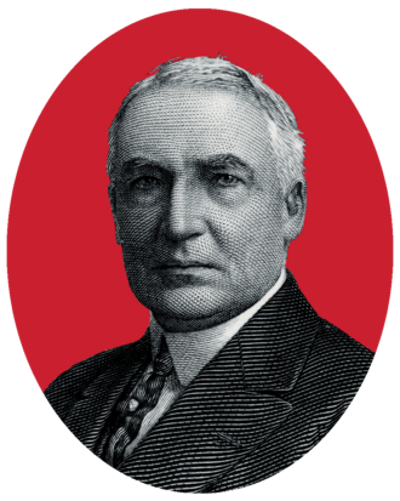
During the U.S. Republican National Convention in Chicago, U.S. Republican Party leaders gathered in a room at the Blackstone Hotel to come to a consensus on their candidate for the U.S. presidential�
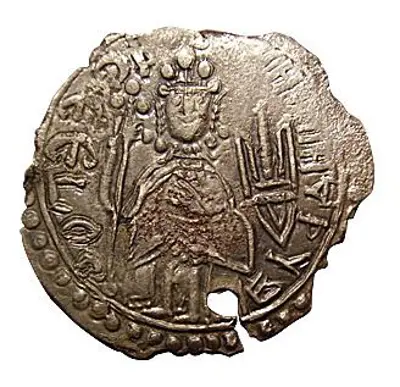
Vladimir the Great consolidates the Kievan realm from Ukraine to the Baltic Sea. He is proclaimed ruler (knyaz) of all Kievan Rus'.
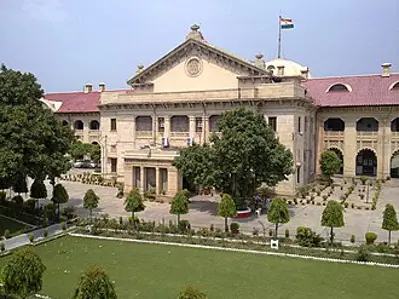
State of Uttar Pradesh v. Raj Narain: Judge Jagmohanlal Sinha rules against Indira Gandhi in a case on her election to the Indian Parliament, and that she should be banned from holding any public off�
The United States Supreme Court in Loving v. Virginia declares all U.S. state laws that prohibit interracial marriage to be unconstitutional.
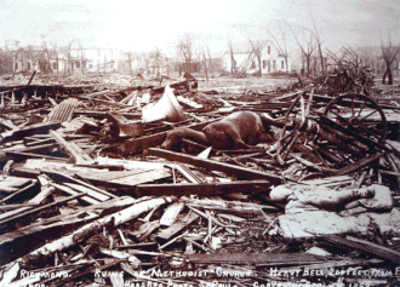
New Richmond tornado: The ninth deadliest tornado in U.S. history kills 117 people and injures around 200.
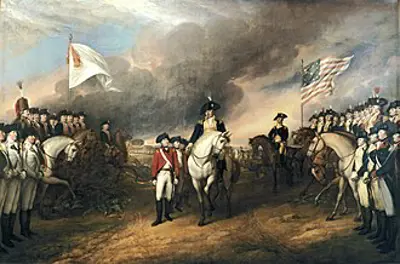
American War of Independence: British general Thomas Gage declares martial law in Massachusetts. The British offer a pardon to all colonists who lay down their arms. There would be only two exception�
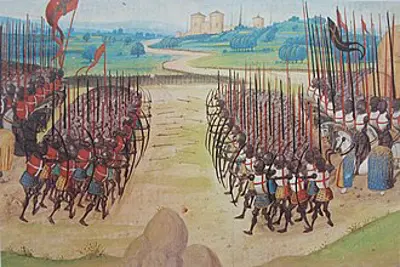
Hundred Years' War: On the second day of the Battle of Jargeau, Joan of Arc leads the French army in their capture of the city and the English commander, William de la Pole, 1st Duke of Suffolk.
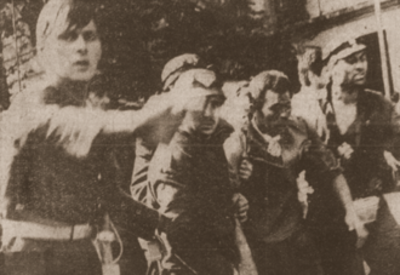
First day of the June 1990 Mineriad in Romania. At least 240 strikers and students are arrested or killed in the chaos ensuing from the first post-Ceaușescu elections.