
1964
The Civil Rights Act of 1964 is approved after surviving an 83-day filibuster in the United States Senate
The Civil Rights Act of 1964 is approved after surviving an 83-day filibuster in the United States Senate.
10478 results for “C. M. Eddy Jr.” — type: events (2145 ms)
The Civil Rights Act of 1964 is approved after surviving an 83-day filibuster in the United States Senate.
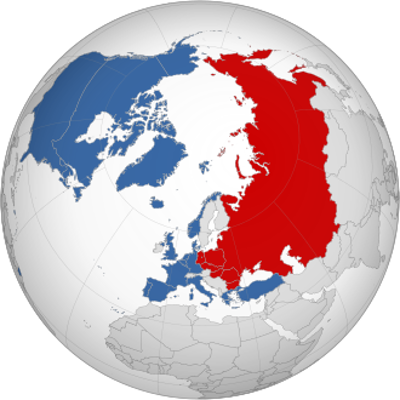
Cold War: Julius and Ethel Rosenberg are executed at Sing Sing, in New York.
The Communications Act of 1934 establishes the United States' Federal Communications Commission (FCC).

The first Father's Day is celebrated in Spokane, Washington.
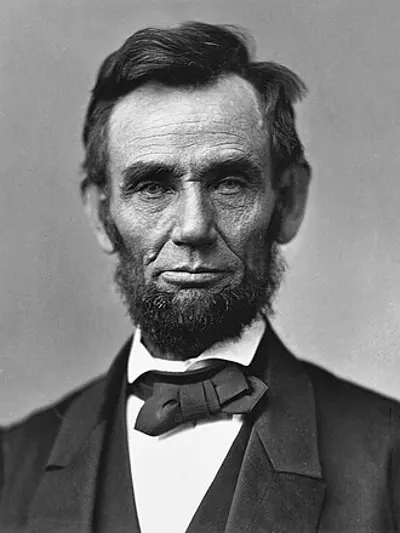
President Abraham Lincoln signs the Territorial Slavery Act of 1862, which prohibits slavery in all current and future United States territories.
The Carlton House Fête is held in London to celebrate the establishment of the Regency era.
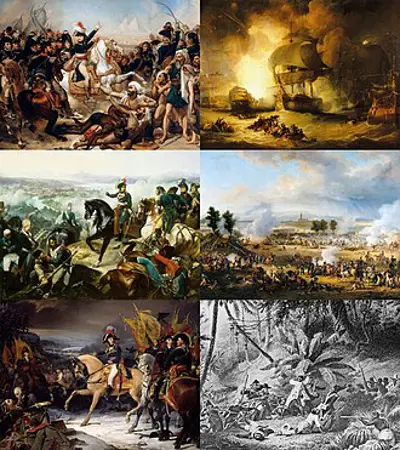
War of the Second Coalition Battle of Höchstädt results in a French victory over Austria.
The Boston King's Chapel adopts James Freeman's revised prayer book, without the Nicene Creed, establishing it as the first Unitarian congregation in the United States.
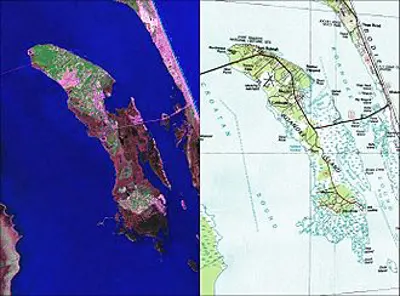
English colonists leave Roanoke Island, after failing to establish England's first permanent settlement in North America.
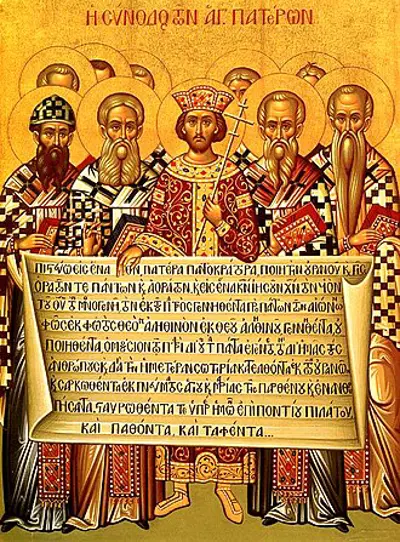
The original Nicene Creed is adopted at the First Council of Nicaea.

RusAir Flight 9605 crashes in Besovets during approach to Petrozavodsk Airport, killing 47.

Aeroméxico Flight 229 crashes on approach to Licenciado Gustavo Díaz Ordaz International Airport, killing all 27 people on board.
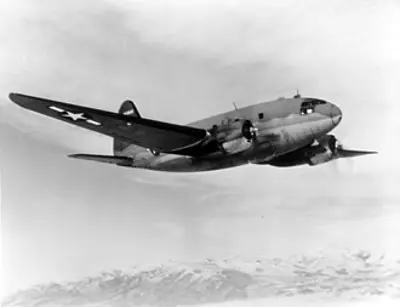
A Curtiss C-46 Commando crashes in the Shengang District of Taiwan, killing 57 people.
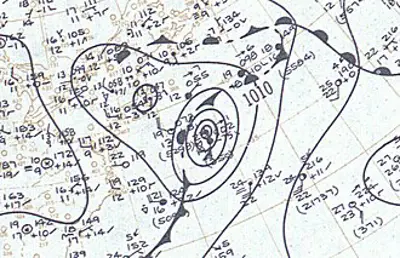
A rare June hurricane strikes Canada's Gulf of St. Lawrence killing 35.

A Venezuelan Super-Constellation crashes in the Atlantic Ocean off Asbury Park, New Jersey, killing 74 people.
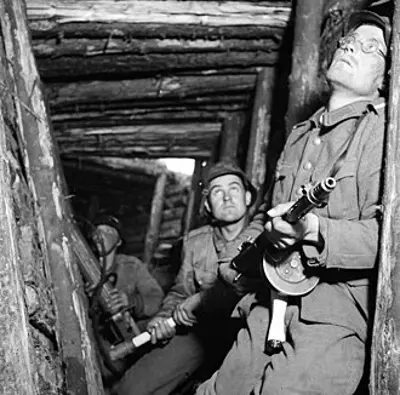
World War II: During the Continuation War, the Soviet Union demands unconditional surrender from Finland during the beginning of partially successful Vyborg–Petrozavodsk Offensive. The Finnish govern�
The 28th International Eucharistic Congress begins in Chicago, with over 250,000 spectators attending the opening procession.
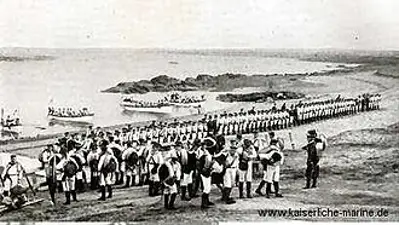
Boxer Rebellion: The Imperial Chinese Army begins a 55-day siege of the Legation Quarter in Beijing, China.
The Kiel Canal, crossing the base of the Jutland peninsula and the busiest artificial waterway in the world, is officially opened.
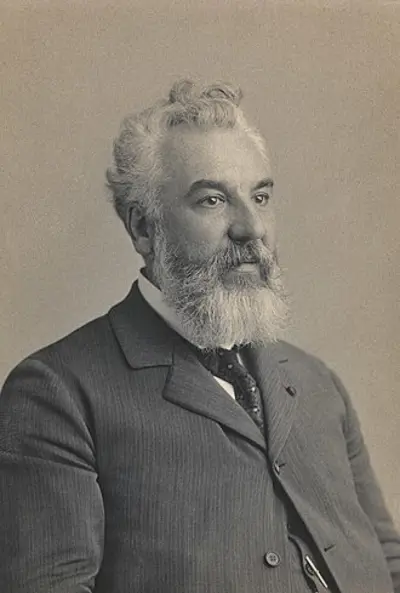
Alexander Graham Bell installs the world's first commercial telephone service in Hamilton, Ontario, Canada.