1835
The first railway in continental Europe opens between Brussels and Mechelen
The first railway in continental Europe opens between Brussels and Mechelen.
11201 results for “A. P. Hill” — type: events (2657 ms)
The first railway in continental Europe opens between Brussels and Mechelen.
Emperor Napoleon dies in exile on the island of Saint Helena in the South Atlantic Ocean.
Election of Count Adolf of Nassau as King of the Romans in the Dominican monastery of Frankfurt.
Three women, kidnapped and missing for more than a decade, are found alive in Cleveland, Ohio, in the United States.
The final episode of the television sitcom Friends is aired.
The body of former CIA director William Colby is found washed up on a riverbank in southern Maryland, eight days after he disappeared.
The Hitler Diaries are revealed as a hoax after being examined by new experts.

During a lull in fighting, 100,000 Armenians gather in Beirut for the 60th anniversary commemorations of the Armenian genocide.
Deniz Gezmiş, Yusuf Aslan and Hüseyin İnan are executed in Ankara after being convicted of attempting to overthrow the Constitutional order.
Myra Hindley and Ian Brady are sentenced to life imprisonment for the Moors murders in England.
The Deutsche Studentenschaft attack Magnus Hirschfeld's Institut für Sexualwissenschaft, later burning many of its books.
Imperial Trans-Antarctic Expedition: The SY Aurora breaks loose from its anchorage during a gale, beginning a 312-day ordeal.
George V becomes King of Great Britain, Ireland, and many overseas territories, on the death of his father, Edward VII.
The Russian Constitution of 1906 is adopted (on April 23 by the Julian calendar).
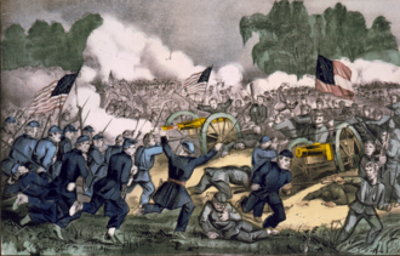
American Civil War: Arkansas secedes from the Union.
The end of Konbaung–Hanthawaddy War, and the end of Burmese Civil War (1740–1757).
The Dutch city of Coevorden, held by the Spanish, falls to a Dutch and English force.
The Siege of Cuzco commences, in which Incan forces attempt to retake the city of Cuzco from the Spanish.
Spanish and German troops sack Rome; many scholars consider this the end of the Renaissance.