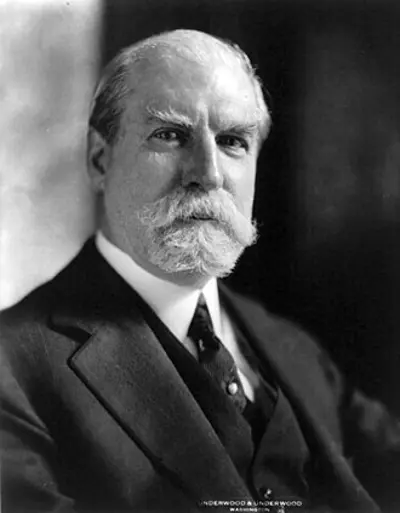
1922
In Washington D
In Washington D.C., U.S. Secretary of State Charles Evans Hughes and Dominican Ambassador Francisco J. Peynado sign the Hughes–Peynado agreement, which ends the United States occupation of the Dominic�
860 results for “Charles XI of Sweden” — type: events (205 ms)
In Washington D.C., U.S. Secretary of State Charles Evans Hughes and Dominican Ambassador Francisco J. Peynado sign the Hughes–Peynado agreement, which ends the United States occupation of the Dominic�

China resumes sovereignty over the city-state of Hong Kong, ending 156 years of British colonial rule. The handover ceremony is attended by British Prime Minister Tony Blair, Charles, Prince of Wales,�

Napoleonic Wars: War of the Third Coalition: Battle of Cape Finisterre: An inconclusive naval action is fought between a combined French and Spanish fleet under Admiral Pierre-Charles Villeneuve of Fr�
The first commercial use of an electrical telegraph is successfully demonstrated in London by William Cooke and Charles Wheatstone.
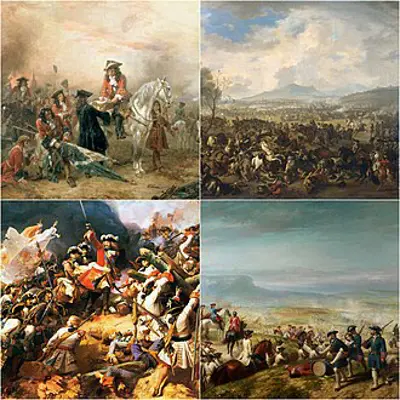
War of the Spanish Succession: Gibraltar is captured by an English and Dutch fleet, commanded by Admiral Sir George Rooke and allied with Archduke Charles.
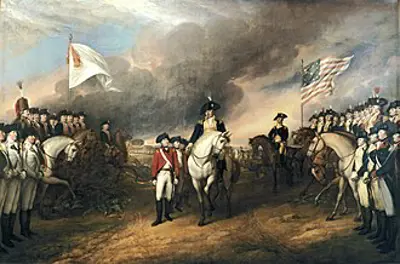
American Revolutionary War: Battle of Blue Licks: The last major engagement of the war, almost ten months after the surrender of the British commander Charles Cornwallis following the Siege of Yorktow�
Philip III, although suffering from dysentery, becomes King of France following the death of his father Louis IX, during the Eighth Crusade. His uncle, Charles I of Naples, is forced to begin peace ne�
Stono Rebellion, the largest slave uprising in Britain's mainland North American colonies prior to the American Revolution, erupts near Charleston, South Carolina.
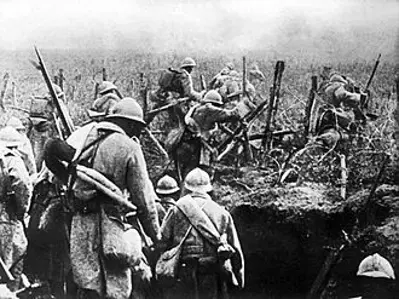
World War I: During the East African Campaign, colonial forces of the Belgian Congo (Force Publique) under the command of Charles Tombeur capture the town of Tabora after heavy fighting.
A British government army led by Sir John Cope is defeated in less than 15 minutes by the Jacobite forces of Prince Charles Edward Stuart.
The Battle of Rowton Heath in England occurs, ending in a Parliamentarian victory over a Royalist army commanded in person by King Charles I.
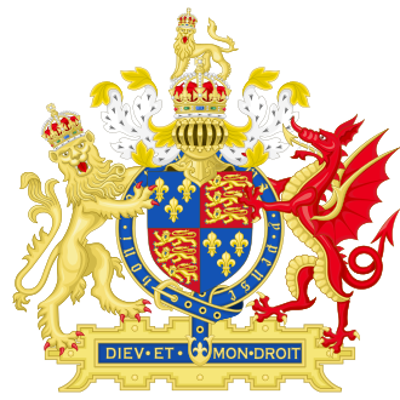
The House of Commons of England accepts the Solemn League and Covenant, which promises religious reforms in England and Ireland in exchange for support of Scottish troops against king Charles I in the�

�s struck by the Norwegian freighter SS Frosta while crossing the Mississippi River in St. Charles Parish, Louisiana. Seventy-eight passengers and crew die, and only 18 people aboard the ferry survive.
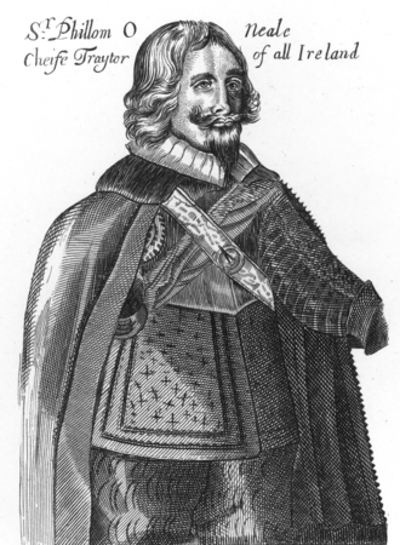
Felim O'Neill of Kinard, the leader of the Irish Rebellion, issues his Proclamation of Dungannon, justifying the uprising and declaring continued loyalty to King Charles I of England.

Savings and loan crisis: The United States Senate Ethics Committee issues a stern censure of California senator Alan Cranston for his "dealings" with savings-and-loan executive Charles Keating.
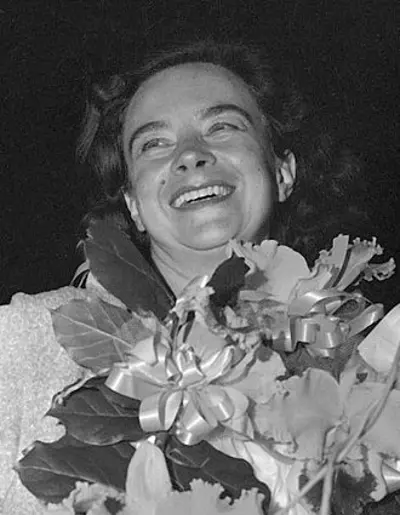
�pletes the first around-the-world airplane flight by a woman. Her solo flight in the Spirit of Columbus, which took 29 1/2 days, took off and landed at the Port Columbus International Airport in Ohio.

The Republic of Zimbabwe (formerly Rhodesia) comes into being, with Canaan Banana as the country's first President. The Zimbabwean dollar replaces the Rhodesian dollar as the official currency.
�o Austrian army corps are driven from Landshut by a First French Empire army led by Napoleon as two French corps to the north hold off the main Austrian army on the first day of the Battle of Eckmühl.

At least 26 people are killed in a terrorist attack on a group of tourists in Pahalgam, Jammu and Kashmir. The Resistance Front (TRF), an offshoot of the Pakistan-based militant group Lashkar-e-Taiba�

The U.S. Department of Justice bars Austrian President Kurt Waldheim (and his wife, Elisabeth, who had also been a Nazi) from entering the US, charging that he had aided in the deportations and execut�