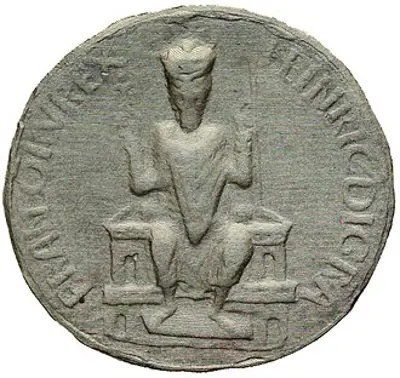
1051
Henry I of France marries the Rus' princess, Anne of Kiev
Henry I of France marries the Rus' princess, Anne of Kiev.
5525 results for “Robert R. Livingston” — type: events (1196 ms)
Henry I of France marries the Rus' princess, Anne of Kiev.
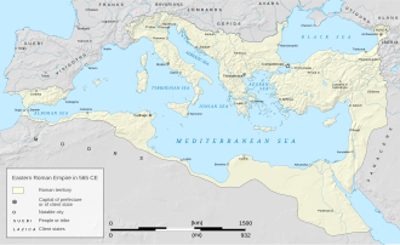
The Byzantine Empire reconquers Melitene under the leadership of John Kourkouas.

Russo-Ukrainian war: Russia claims full control of the Ukrainian city of Mariupol after a nearly three-month siege.
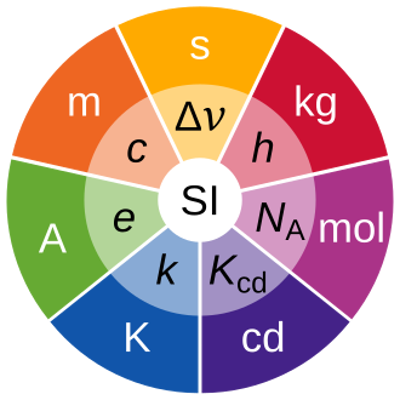
The International System of Units (SI): The base units are redefined, making the international prototype of the kilogram obsolete.
An Indonesian Air Force Lockheed L-100 Hercules crashes in Magetan Regency, killing 99.

The independence of East Timor is recognized by Portugal, formally ending 23 years of Indonesian rule and three years of provisional UN administration (Portugal itself is the former colonizer of East�
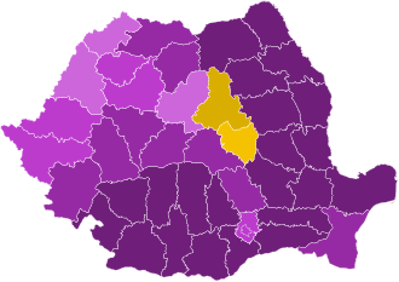
The first post-Communist presidential and parliamentary elections are held in Romania.

Radio Martí, part of the Voice of America service, begins broadcasting to Cuba.
In a referendum in Quebec, the population rejects, with 60% of the vote, a government proposal to move towards independence from Canada.
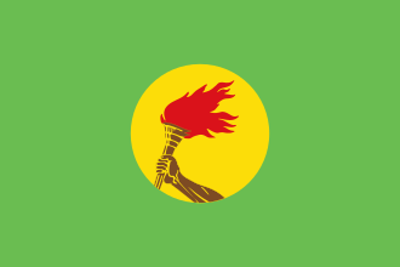
The Popular Movement of the Revolution political party is established in the Democratic Republic of the Congo.
In Operation Redwing, the first United States airborne hydrogen bomb is dropped over Bikini Atoll in the Pacific Ocean.
The Luttra Woman, a bog body from the Early Neolithic period (radiocarbon-dated c. 3928–3651 BC), was discovered near Luttra, Sweden.
Treaty of Jeddah: The United Kingdom recognizes the sovereignty of King Ibn Saud in the Kingdoms of Hejaz and Nejd, which later merge to become the Kingdom of Saudi Arabia.
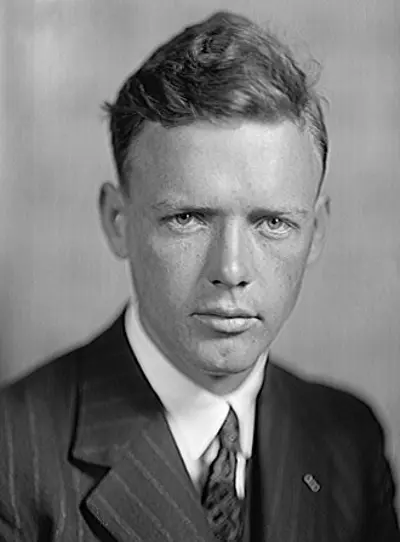
Charles Lindbergh takes off for Paris from Roosevelt Field in Long Island, N.Y., aboard the Spirit of St. Louis on the first nonstop solo flight across the Atlantic Ocean, landing 33+1⁄2 hours later.
Levi Strauss and Jacob Davis receive a U.S. patent for blue jeans with copper rivets.
By the Law of 20 May 1802, Napoleon Bonaparte reinstates slavery in the French colonies, revoking its abolition in the French Revolution.
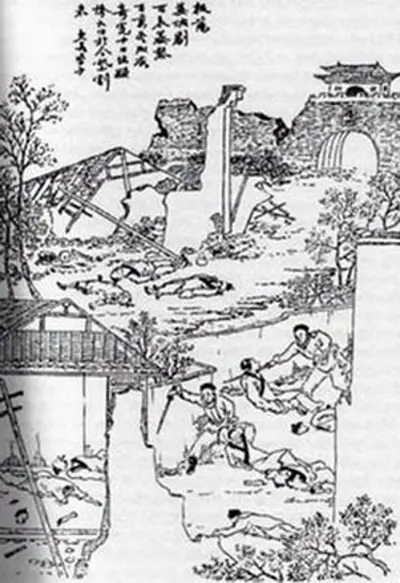
Yangzhou massacre: The ten day massacre of the residents of the city of Yangzhou, part of the Transition from Ming to Qing.
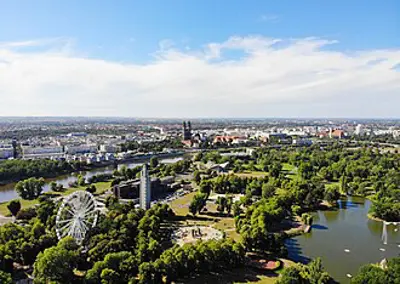
The city of Magdeburg in Germany is seized by forces of the Holy Roman Empire and most of its inhabitants massacred, in one of the bloodiest incidents of the Thirty Years' War.
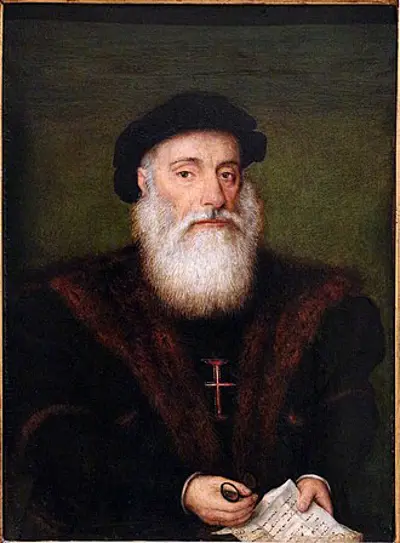
Portuguese explorer Vasco da Gama discovers the sea route to India when he arrives at Kozhikode (previously known as Calicut), India.
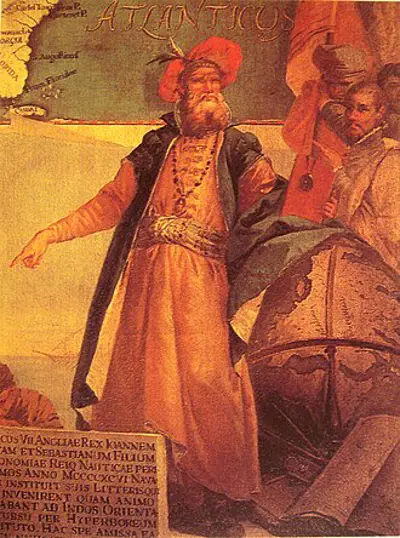
John Cabot sets sail from Bristol, England, on his ship Matthew looking for a route to the west (other documents give a May 2 date).