The Civil Liberties Act of 1988 became law, authorizing reparations to surviving Japanese Americans interned during…
The Civil Liberties Act of 1988 became law, authorizing reparations to surviving Japanese Americans interned during World War II.
91 results for “Bernard Francis Law” — type: selected (180 ms)
The Civil Liberties Act of 1988 became law, authorizing reparations to surviving Japanese Americans interned during World War II.

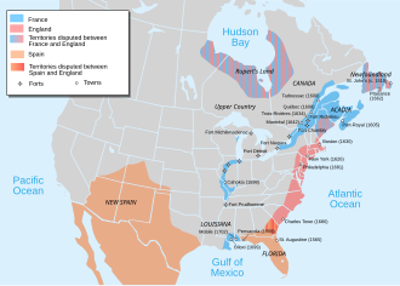
Queen Anne's War: A British attempt to attack Quebec failed when eight ships wrecked on the St. Lawrence River.
Italian astronomer Galileo Galilei (pictured) demonstrated his first telescope to Venetian lawmakers.
Following a number of high-profile sexual assaults, major reforms were enacted to strengthen laws related to rape in Germany.
The Judiciary Act of 1789 was signed into law, establishing the U.S. federal judiciary and setting the number of Supreme Court justices at six.
Nazi Germany enacted the Nuremberg Laws (pictured), which deprived Jews of their citizenship.
Europol, the EU's law enforcement agency, was formed with the ratification of the Europol Convention by all member states.
Twelve people were killed in an apartment-building collapse in Medellín, leading to new construction laws being passed in Colombia.
A law was passed that confined most of Venice's glassmaking industry to nearby Murano.
Nadarajah Raviraj, a prominent Sri Lankan Tamil politician and human rights lawyer, was assassinated in Colombo.
Sri Lankan Tamil politician and human rights lawyer Nadarajah Raviraj was assassinated in Colombo.
The second edition of the Code of Justinian, a codification of Roman law by Byzantine emperor Justinian I (pictured), was published.
Slavery in Washington, D.C., ended when the District of Columbia Compensated Emancipation Act became law.
Stephen Lawrence, a black British teenager, was murdered while waiting for a bus in Eltham, London, leading to cultural changes of attitudes on racism and the police, and to the law and police practic�
A spree shooter carried out the Port Arthur massacre, killing 35 people, and injuring 37 in Tasmania, prompting stricter gun laws in Australia.
U.S. president Chester A. Arthur signed the Chinese Exclusion Act into law (cartoon pictured), implementing a ban on Chinese immigration to the United States that remained for 61 years.
In deciding Romer v. Evans, the U.S. Supreme Court struck down a constitutional amendment in Colorado that prevented protected status under the law for homosexuals or bisexuals.
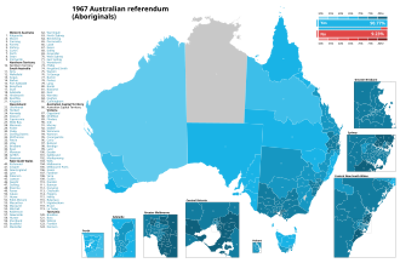
Australians voted overwhelmingly to include Indigenous Australians in population counts for constitutional purposes and to allow the federal government to make special laws affecting them in states.
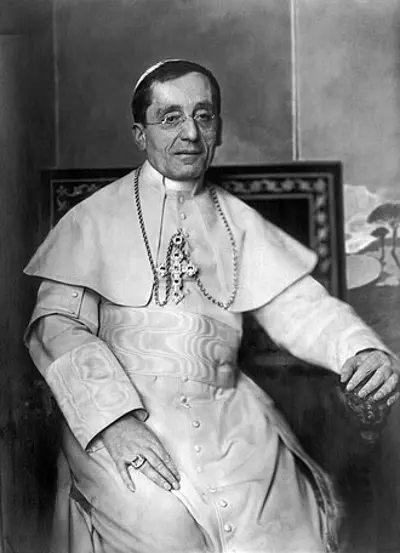
Pope Benedict XV (pictured) promulgated the Pio-Benedictine Code, the first official comprehensive codification of Latin canon law.