1863
American Civil War: General Ulysses S
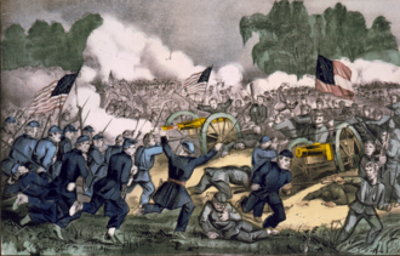
American Civil War: General Ulysses S. Grant led his Army of the Tennessee across the Big Black River in preparation for the Siege of Vicksburg.
72 results for “Dan Black” — type: selected (134 ms)
American Civil War: General Ulysses S. Grant led his Army of the Tennessee across the Big Black River in preparation for the Siege of Vicksburg.

Abu Muslim initiated an open revolt against Umayyad rule, eventually leading to the establishment of the Abbasid Caliphate under the Black Standard.

Amid racial tensions, U.S. Army military police shot and killed a black serviceman after a confrontation at a pub in Bamber Bridge, England.

�n informed Turkey that the way in which the latter was handling the Turkish Straits no longer represented the security interests of its fellow Black Sea nations, escalating the Turkish Straits crisis.
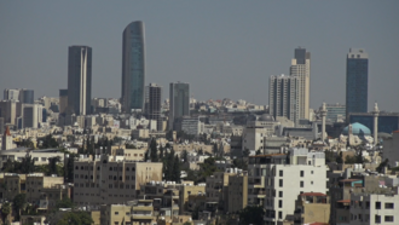
The Jordanian army entered Amman as part of operations to oust Palestinian fedayeen from the country in events later known as Black September (smoke over city pictured).
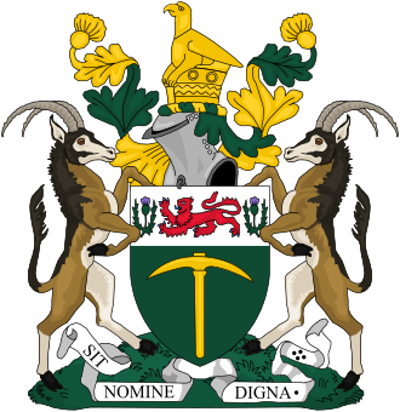
Portugal accepted a diplomatic mission from Southern Rhodesia despite objections by Britain, which had required the colony to implement black majority rule as a condition of independence.
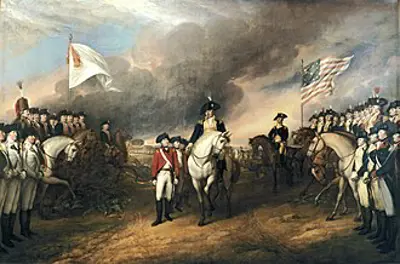
�teen-year-old Sybil Ludington allegedly rode forty miles (64 km) through the night to warn militiamen under her father Henry's command that British troops were planning to invade Danbury, Connecticut.
In Huế, South Vietnam, soldiers opened fire into a crowd of Buddhists protesting against a government ban on the flying of the Buddhist flag on Phật Đản, killing nine and sparking the Buddhist crisis.
Second Schleswig War: The Battle of Heligoland (depicted), the last naval engagement fought by squadrons of wooden ships, took place between the Danish and Austro-Prussian fleets.

The Lincoln Memorial in Washington, D.C., featuring a sculpture of the sixteenth U.S. president Abraham Lincoln by Daniel Chester French, opened.

War of the Second Coalition: French forces won a victory at the Battle of Neuburg, ending Austrian control over the River Danube.
�nd Russell (pictured) and nine other preeminent intellectuals and scientists issued the Russell–Einstein Manifesto, calling for a conference to assess the dangers posed by weapons of mass destruction.