Byzantine–Norman wars: Robert Guiscard led an invasion of the Byzantine Empire, capturing Dyrrhachium in present-day…
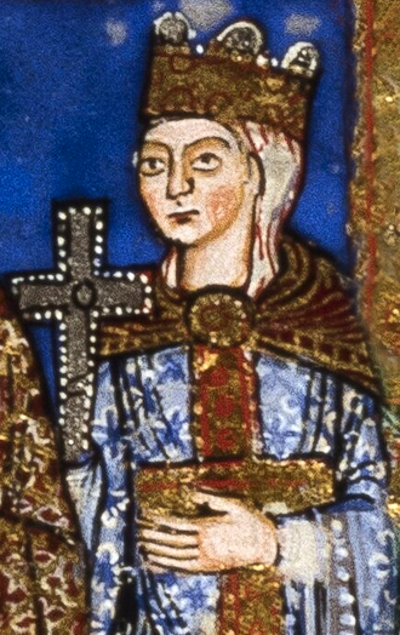
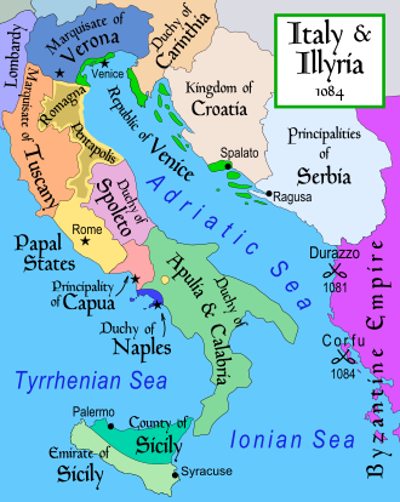
Byzantine–Norman wars: Robert Guiscard led an invasion of the Byzantine Empire, capturing Dyrrhachium in present-day Albania.

132 results for “Robert Post (law professor)” — type: selected (249 ms)
Byzantine–Norman wars: Robert Guiscard led an invasion of the Byzantine Empire, capturing Dyrrhachium in present-day Albania.
Canadian astronomer Robert Weryk discovered ʻOumuamua (depicted), the first known interstellar object detected passing through the Solar System.
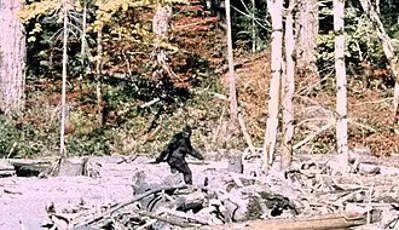
Roger Patterson and Robert Gimlin filmed an unidentified subject, which they claimed was Bigfoot, at Six Rivers National Forest in California.
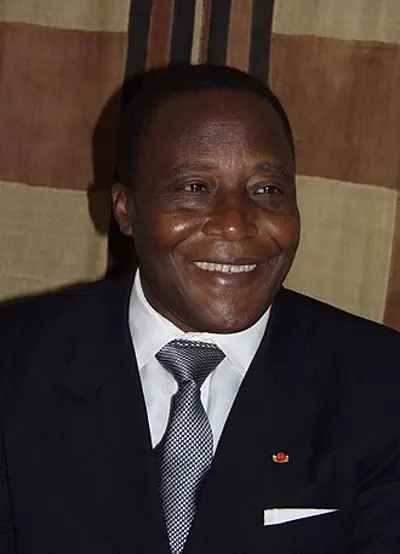
Following protests against military leader Robert Guéï, Laurent Gbagbo (pictured) became the president of Ivory Coast.
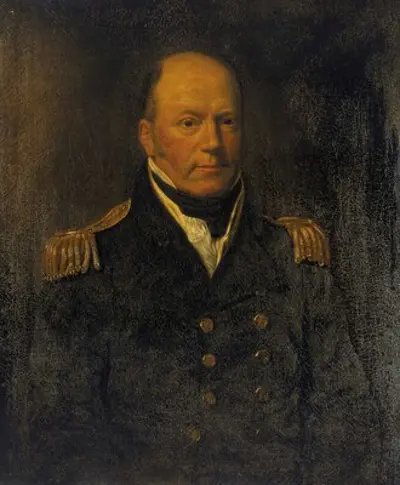
William Robert Broughton, a member of George Vancouver's expedition, observed a peak in the present-day U.S. state of Oregon and named it Mount Hood after British admiral Samuel Hood.
After Empress Matilda released her rival King Stephen, he in turn released Robert of Gloucester, her strongest supporter, thus prolonging the Anglo-Norman civil war known as The Anarchy.
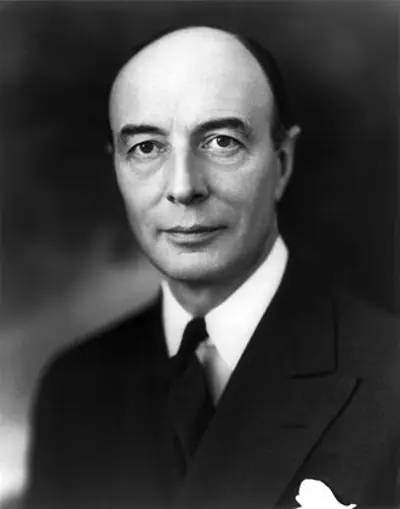
Robert A. Lovett, United States Secretary of Defense, issued a memorandum establishing the National Security Agency, with responsibility for all communications intelligence for the government.
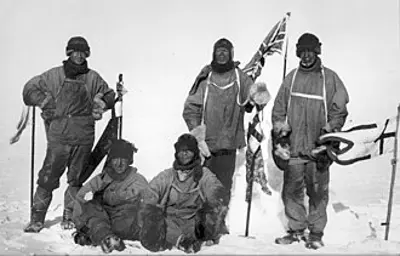
Eight months after perishing during the ill-fated Terra Nova Expedition, the bodies of Robert Falcon Scott (pictured) and his companions were discovered on the Ross Ice Shelf in Antarctica.
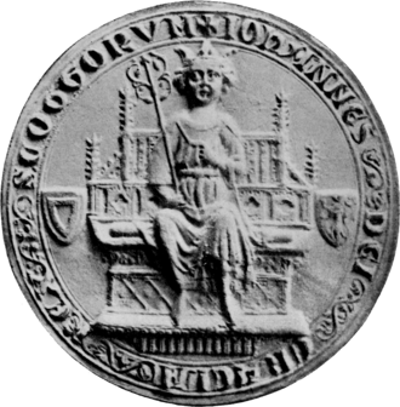
John Balliol was chosen to be King of Scots over Robert de Brus.
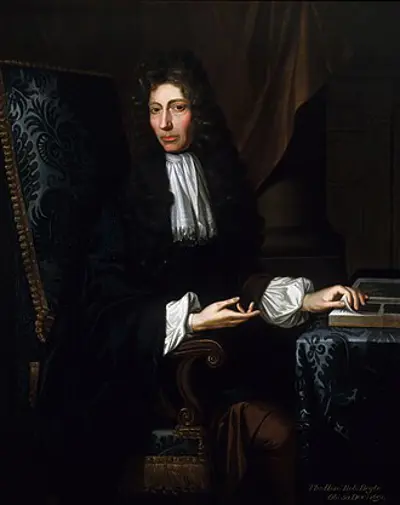
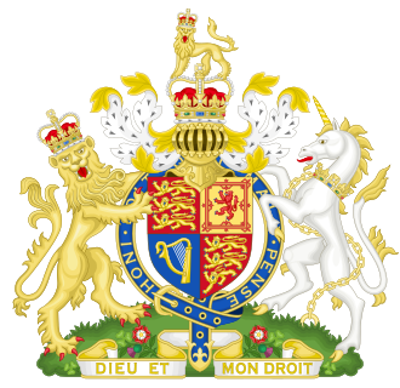
Robert Boyle, John Wilkins, Christopher Wren and other leading scientists met at Gresham College in London to found a learned society, now known as the Royal Society (coat of arms pictured).
Arizona governor Jan Brewer signed into law the controversial anti–illegal immigration bill SB 1070, much of which was later struck down by the U.S. Supreme Court.
William Lawson, Gregory Blaxland and William Wentworth departed westward from Sydney on an expedition to become the first confirmed Europeans to cross the Blue Mountains.
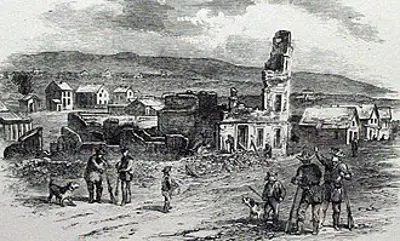
A crowd of about 800 pro-slavery Americans ransacked the town of Lawrence, Kansas.
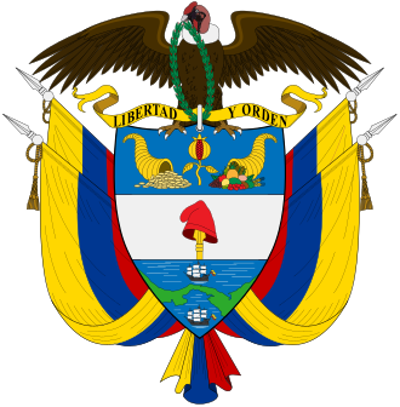
The Congress of Colombia passed a law abolishing slavery in the country, to take effect at the beginning of the new year.
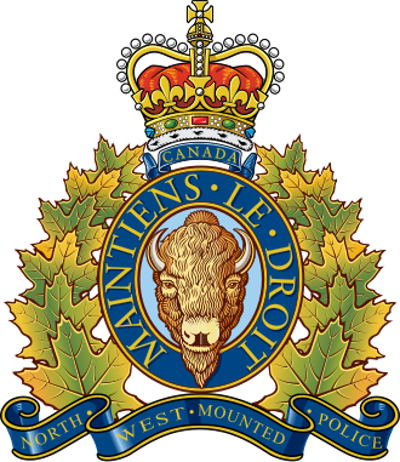
The North-West Mounted Police, the forerunner of the Royal Canadian Mounted Police, was established to bring law and order to and assert Canadian sovereignty over the Northwest Territories.
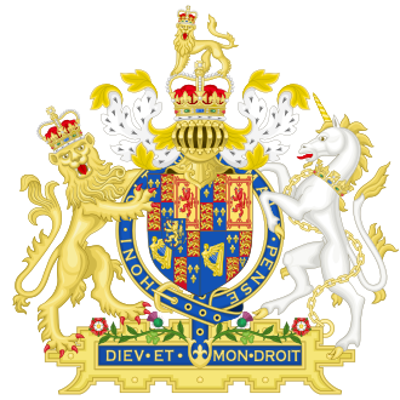
The Act of Toleration became law, granting freedom of worship to English nonconformists under certain circumstances, but deliberately excluding Catholics.
Donoghue v Stevenson is decided, ultimately establishing the foundation for negligence in common law jurisdictions worldwide.
The Kansas–Nebraska Act became law, establishing the U.S. territories of Nebraska and Kansas, and allowing their settlers to determine if slavery would be permitted.
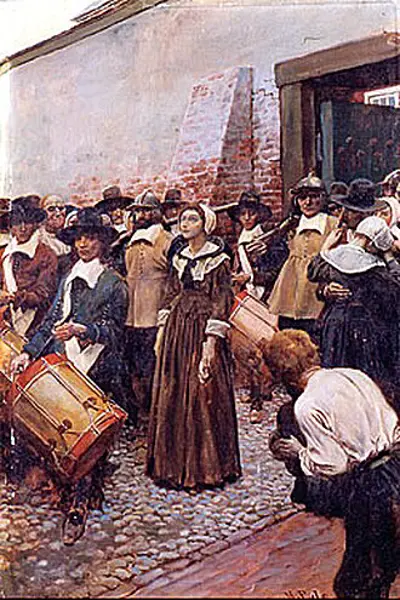
Mary Dyer (pictured) was hanged in Boston for repeatedly defying a law banning Quakers from the Massachusetts Bay Colony.
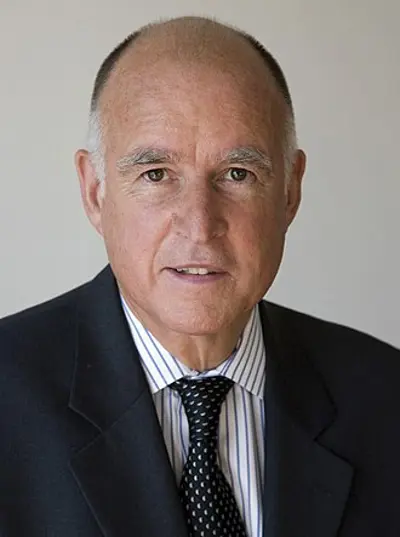
Governor Jerry Brown signed the California Agricultural Labor Relations Act, one of the first laws in the United States guaranteeing collective bargaining rights to farmworkers.