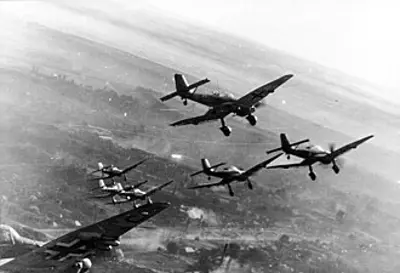
1940
Second World War: Belgium surrendered to Nazi Germany, ending the Battle of Belgium
Second World War: Belgium surrendered to Nazi Germany, ending the Battle of Belgium.
773 results for “World War” — type: selected (284 ms)
Second World War: Belgium surrendered to Nazi Germany, ending the Battle of Belgium.
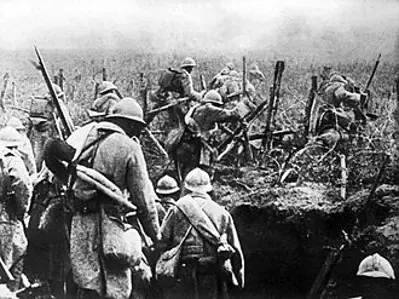
World War I: Armenian forces defeated Ottoman troops at the Battle of Sardarabad, halting the Turkish advance and preventing further destruction of the Armenian nation.
Second World War: HMS Cambrian was sunk by a mine in The Solent, with the loss of 23 lives.
World War II: The crews of three Japanese submarines scuttled their vessels and committed suicide after entering Sydney Harbour and launching a failed attack.
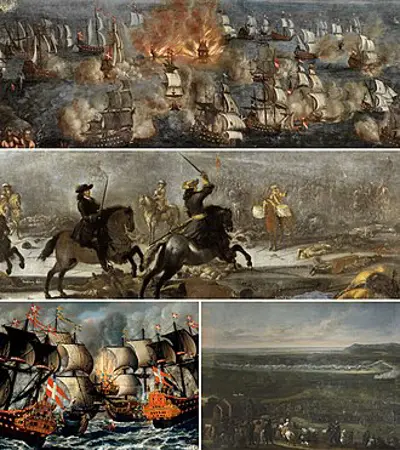
Scanian War: The Swedish warship Kronan, one of the largest ships in the world at the time, sank at the Battle of Öland with the loss of around 800 men.
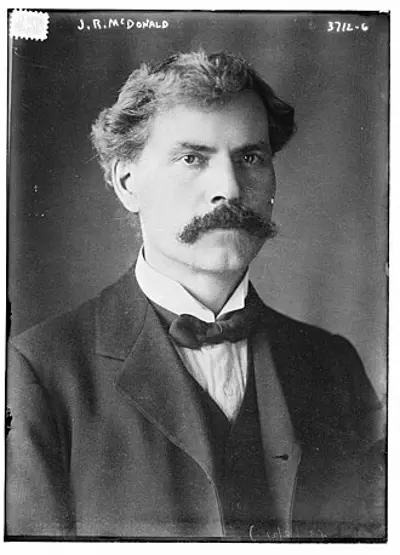
A socialist convention in Leeds, United Kingdom, called for an end to the First World War and the establishment of Workers' and Soldiers' Delegates across the country.
World War II: A United States Navy task group captured German submarine U-505 (pictured).
Second World War: The remaining Allied forces protecting the Dunkirk evacuation surrendered, ending the Battle of Dunkirk; in response, British prime minister Winston Churchill gave a speech in which�
World War I: Russian forces began their successful Brusilov offensive against the Central Powers.
World War II: German forces dropped four bombs on neutral Ireland, killing 28 people and damaging Áras an Uachtaráin, the residence of the President of Ireland.
World War II: In reprisal for the participation of the local population in the Battle of Crete, the German Wehrmacht destroyed the village of Kandanos, Greece, and killed about 180 of its inhabitants.
World War II: Operation Overlord, the largest amphibious military operation in history, began with Allied troops landing on the beaches of Normandy in France.
First World War: The British Army detonated 19 ammonal mines under German lines, killing perhaps 10,000 in the deadliest non-nuclear man-made explosion in history during the Battle of Messines.
World War II: The Allies commenced the Syria–Lebanon campaign against Vichy French possessions in the Levant.
World War I: Italian torpedo boats sank the Austro-Hungarian dreadnought SMS Szent István off the Dalmatian coast, killing 89 of the crew.
Second World War: At the Battle of Villers-Bocage, German tank commander Michael Wittmann destroyed around 30 Allied vehicles in less than 15 minutes.
World War I: The Battle of Mont Sorrel in the Ypres Salient came to an end as a Canadian assault led German forces to withdraw to their original lines.
Second World War: The British Army abandoned its attempt to capture the German-occupied city of Caen.
Second World War: Four days after the French government fled Paris, German forces occupied the French capital, a major accomplishment in the Fall Rot operation.
World War II: The United States Army Air Forces began the first air raid of its strategic bombing campaign against the Japanese archipelago, although little damage was caused.