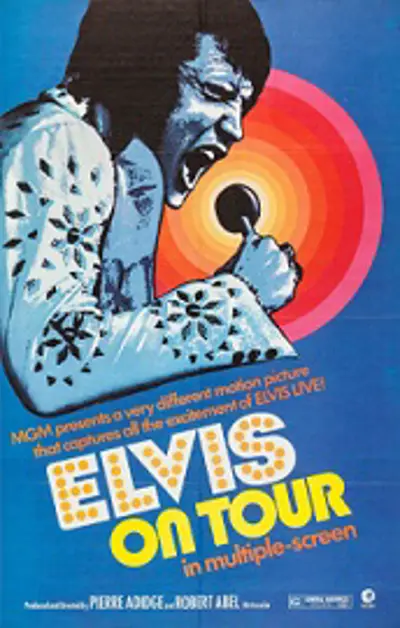
1972
Elvis on Tour, a concert film that documented Elvis Presley's tour throughout the United States, opened.
Elvis on Tour, a concert film that documented Elvis Presley's tour throughout the United States, opened.
3563 results for “W. E. D. Ross” — type: selected (2417 ms)
Elvis on Tour, a concert film that documented Elvis Presley's tour throughout the United States, opened.
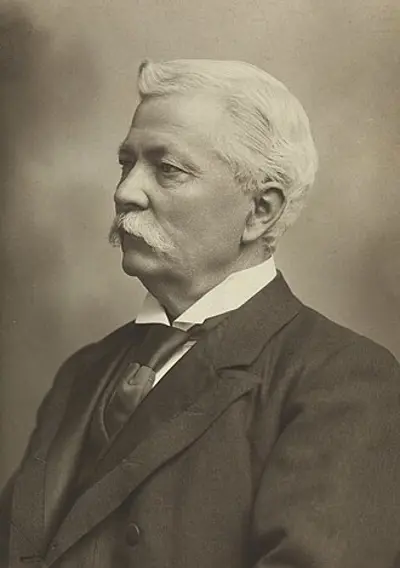
Journalist and explorer Henry Morton Stanley (pictured) located missing missionary and explorer David Livingstone near Lake Tanganyika in present-day Tanzania.
The album The Dark Side of the Moon by the British progressive rock band Pink Floyd entered the Billboard Top LPs & Tape chart, on which it spent a record 942 weeks.
Pope Alexander VI (pictured) issued the papal bull Inter caetera, establishing a line of demarcation dividing the New World between Spain and Portugal.
Julian of Norwich experienced religious visions, later recorded in Revelations of Divine Love, the earliest surviving English-language work attributed to a woman.
The inaugural edition of the Giro d'Italia, a long-distance multiple-stage bicycle race, began in Milan; the Italian cyclist Luigi Ganna was the eventual winner.
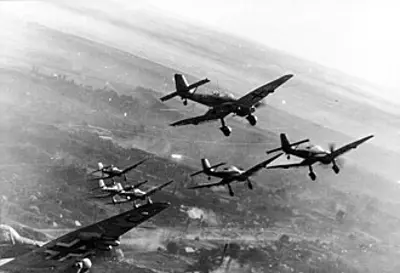
Second World War: The Royal Air Force's "Dambusters" squadron embarked on an attack on German dams using bouncing bombs designed by Barnes Wallis.

Captain John Franklin (pictured) departed Greenhithe, England, on an expedition to the Canadian Arctic in search of the Northwest Passage; all 129 men were later lost when their ships became icebound�

Donoghue v Stevenson is decided, ultimately establishing the foundation for negligence in common law jurisdictions worldwide.

Having invaded Uganda and deposed President Idi Amin, Tanzanian forces secured Uganda's western border, ending a seven-month war.

The Shewan army defeated Gojjame forces at the Battle of Embabo, an event that contributed to the supremacy of Shewa within the Ethiopian Empire.

The New York Times published the first excerpts from the Pentagon Papers, a 7,000-page classified Department of Defense history of the United States' political and military involvement in the Vietnam�

British European Airways Flight 548 crashed near Staines-upon-Thames less than three minutes after departing from Heathrow Airport in London, killing all 118 people aboard in the worst air accident i�

British explorer David Thompson posted a notice at the confluence of the Columbia and Snake Rivers (in modern Washington state, U.S.), claiming the area for Great Britain.
The NASA spacecraft Cassini took a photograph of Saturn with Earth in the distance (detail pictured), for which people were invited to "wave at Saturn".
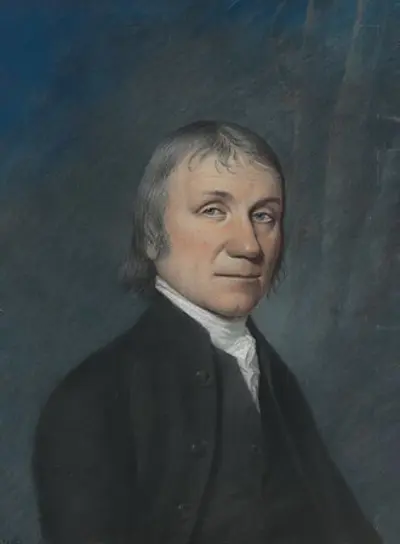
British scientist Joseph Priestley (pictured) liberated oxygen gas, corroborating the discovery of the element by the German-Swedish chemist Carl Wilhelm Scheele.

At the California Institute of Technology, American physicist Carl David Anderson proved the existence of antimatter with the discovery of the positron, for which he would receive the 1936 Nobel Priz�
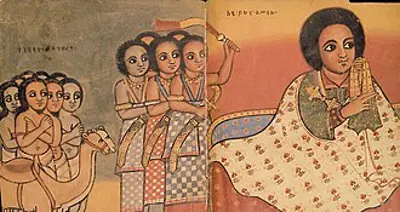
Yekuno Amlak deposed the last Zagwe king and seized the imperial throne of Ethiopia, beginning the reign of the Solomonic dynasty, which would last for more than 700 years.
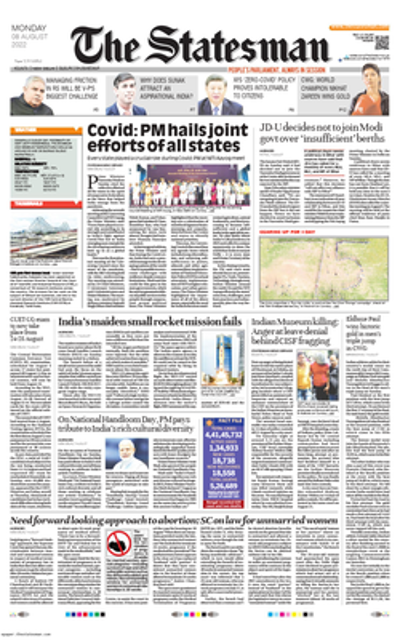
Ian Stephens, editor of The Statesman, defied British censorship to publish pictures of death and misery (example pictured) on Calcutta's streets, informing the world of the Bengal famine of 1943.

Buddhist crisis: The U.S. State Department ordered Ambassador Henry Cabot Lodge Jr. (pictured) to encourage South Vietnamese Army officers to oust Ngo Dinh Diem if he did not willingly remove Ngo Din�