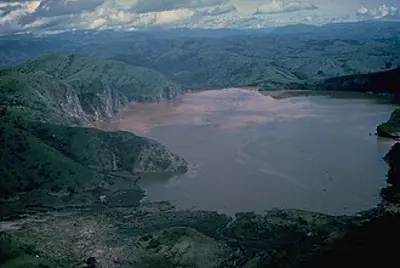
A limnic eruption of Lake Nyos in Cameroon released a cloud of carbon dioxide, suffocating 1,746 people and 3,500…
A limnic eruption of Lake Nyos in Cameroon released a cloud of carbon dioxide, suffocating 1,746 people and 3,500 livestock.
1857 results for “Francis L. Sullivan” — type: selected (734 ms)
A limnic eruption of Lake Nyos in Cameroon released a cloud of carbon dioxide, suffocating 1,746 people and 3,500 livestock.
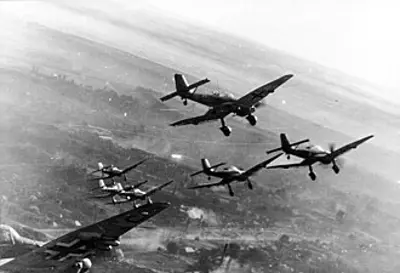
World War II: The Imperial Japanese Army lost the Battle of the Tenaru, the first of its three major land offensives during the Guadalcanal campaign.
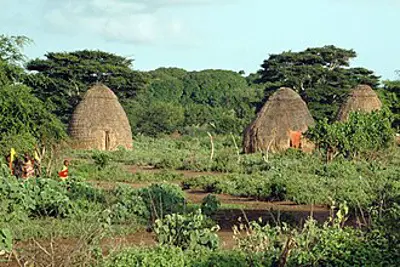
A series of ethnic clashes between the Orma and the Pokomo in Kenya's Tana River District resulted in at least 52 deaths.
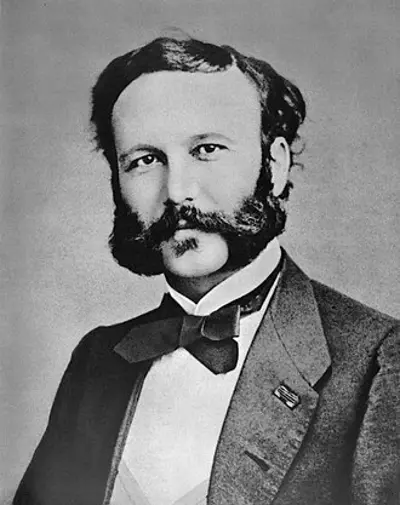
Under the leadership of Henry Dunant and the International Committee of the Red Cross, twelve European states signed the First Geneva Convention, establishing rules for the protection of victims of a�
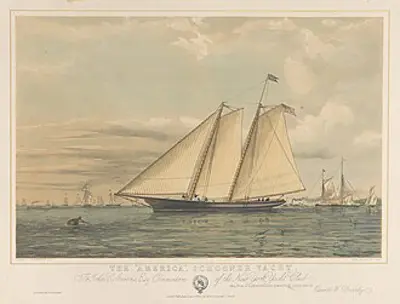
The yacht America won the race for the Cup of One Hundred Sovereigns (trophy pictured), later renamed the America's Cup, near the Isle of Wight, England.
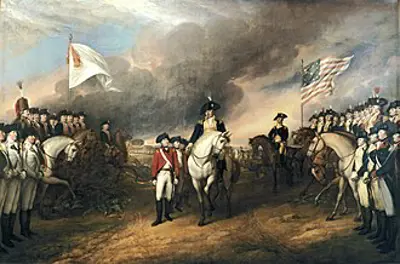
American Revolutionary War: Benedict Arnold used a ruse to convince the British that a much larger force was arriving, causing them to abandon the siege of Fort Stanwix (reconstructed fort pictured).
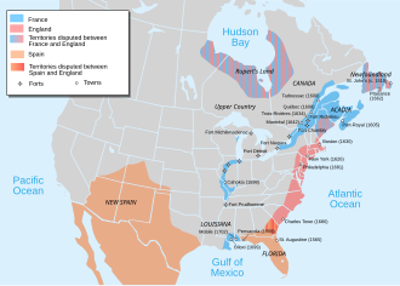
Queen Anne's War: A British attempt to attack Quebec failed when eight ships wrecked on the St. Lawrence River.
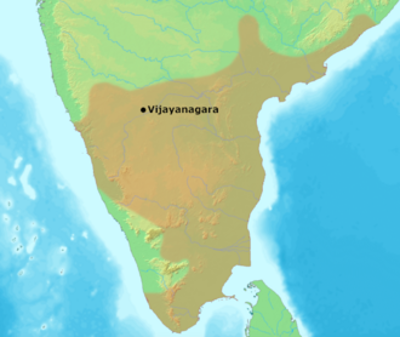
The Vijayanagara Empire leased a small strip of land in present-day Chennai, the capital of the present-day Indian state of Tamil Nadu, to the East India Company.
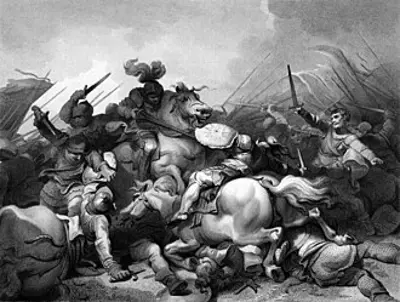
At the Battle of Bosworth Field, Lancastrian forces under Henry Tudor, Earl of Richmond, defeated Yorkist forces under Richard III of England, decisively ending the Wars of the Roses.
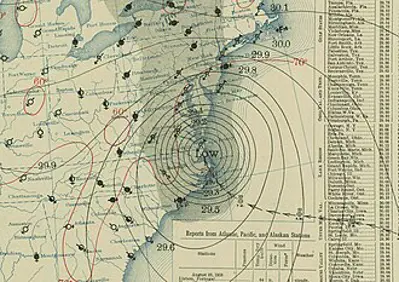
The Chesapeake–Potomac hurricane made landfall in the Outer Banks of North Carolina and went on to cause at least 47 deaths in the U.S. Mid-Atlantic region.
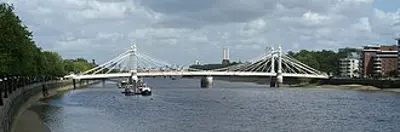
The Albert Bridge, spanning the River Thames in London, opened to traffic.
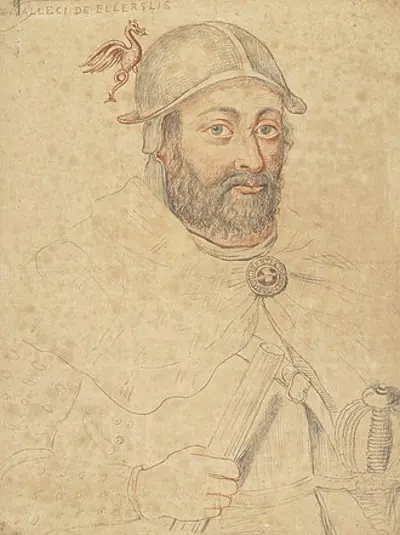
William Wallace, a leader of Scottish resistance against England during the Wars of Scottish Independence, was hanged, drawn and quartered.
Buddhist crisis: The U.S. State Department ordered Ambassador Henry Cabot Lodge Jr. (pictured) to encourage South Vietnamese Army officers to oust Ngo Dinh Diem if he did not willingly remove Ngo Din�
The Royal Navy's R.38, the world's largest airship at the time, was destroyed by a structural failure over Hull, killing 44 of the 49 crew aboard.
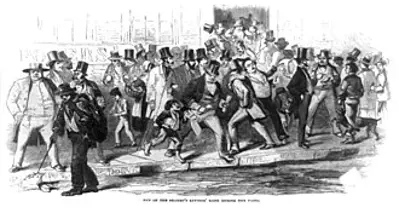
The New York City branch of the Ohio Life Insurance and Trust Co. collapsed following widespread embezzlement, leading to a severe recession that caused about 5,000 businesses to fail.
American Revolutionary War: Near present-day Aurora, Indiana, American Indians led by Joseph Brant killed or captured all members of a Pennsylvania militia.
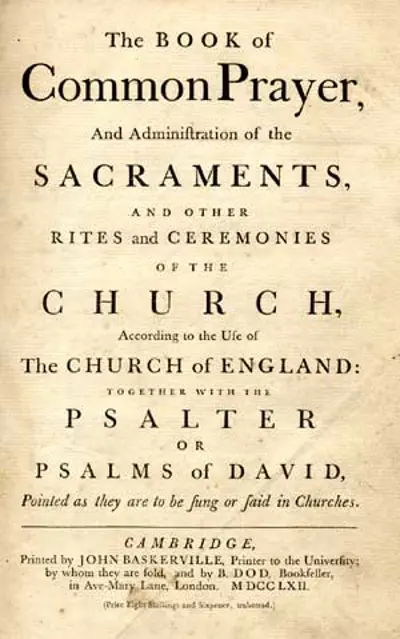
The 1662 Book of Common Prayer was legally enforced as the liturgy of the Church of England, precipitating the Great Ejection of Dissenter ministers from their benefices.
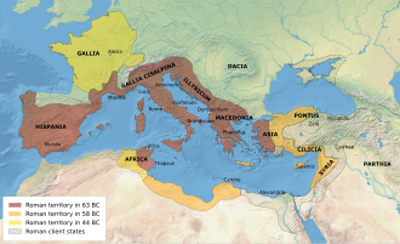
Caesar's Civil War: Forces loyal to Julius Caesar led by Gaius Scribonius Curio were defeated by Pompeian Republicans under Publius Attius Varus and King Juba I of Numidia.
The skeleton of King Richard III of England was discovered under a car park in Leicester.
World War I: During the sack of Louvain in Belgium, German troops burned the town's Catholic university, destroying several medieval manuscripts.