American Revolutionary War: American forces captured Montreal without significant opposition as part of the Invasion…
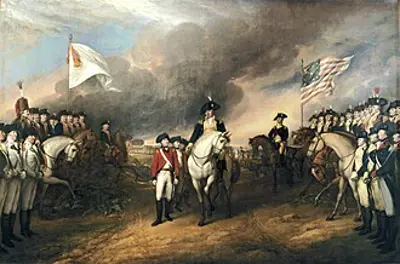
American Revolutionary War: American forces captured Montreal without significant opposition as part of the Invasion of Quebec.
964 results for “World War” — type: selected (241 ms)
American Revolutionary War: American forces captured Montreal without significant opposition as part of the Invasion of Quebec.
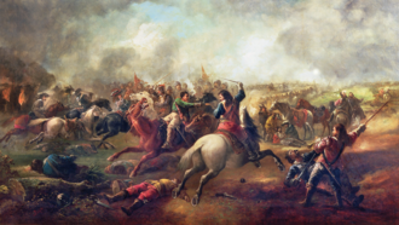
First English Civil War: Royalist forces engaged the much larger Parliamentarian army at the Battle of Turnham Green near Turnham Green, Middlesex.
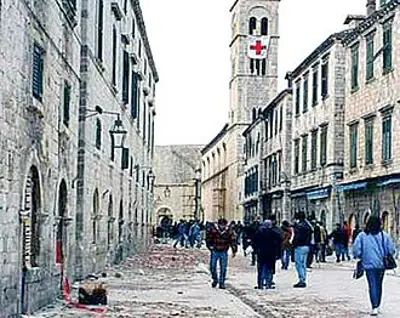
Croatian War of Independence: Croatian naval commandos attacked the Yugoslav patrol boat Mukos, starting the Battle of the Dalmatian Channels.
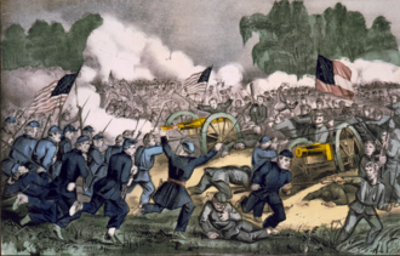
American Civil War: Union army general William Tecumseh Sherman (pictured) began his March to the Sea, inflicting significant damage to property and infrastructure using scorched-earth tactics on his�
The U.S. Navy submarine Triton completed the first submerged circumnavigation of the world.
Thirty people died, including players and staff of the Zambia football team and the crew, in a plane crash en route to play a World Cup qualifying match against Senegal.
The 1,388-foot-tall (423.2 m) Trump International Hotel and Tower in Chicago, with the world's highest residence above ground level at the time, held its grand opening.
The University of Santo Tomas (seminary building pictured) in Manila, one of the oldest existing universities in Asia and one of the world's largest Catholic universities by enrollment, was founded.
Pope Alexander VI (pictured) issued the papal bull Inter caetera, establishing a line of demarcation dividing the New World between Spain and Portugal.
Trains ran on the Talyllyn Railway in Wales for the first time since its preservation, making it the first railway in the world to be operated by volunteers.
Three days before her seventeenth birthday, Jessica Watson arrived in Sydney after sailing non-stop and unassisted around the world.
Vincent van Gogh's Portrait of Dr. Gachet was sold at auction at Christie's in New York for US$82.5 million, making it the world's most expensive painting at the time.
Donoghue v Stevenson is decided, ultimately establishing the foundation for negligence in common law jurisdictions worldwide.
Sixteen-year-old Abby Sunderland was rescued after her boat was dismasted in the Indian Ocean while trying to become the youngest sailor around the world.
In one of the biggest upsets in championship boxing, the underdog James J. Braddock defeated Max Baer to become the heavyweight champion of the world.
�George W. Bush designated 140,000 square miles (360,000 km2) around the Northwestern Hawaiian Islands as the Papahānaumokuākea Marine National Monument, now one of the world's largest protected areas.
The largest power outage in history occurred across 22 Indian states, affecting more than 620 million people, or about 9 percent of the world's population.
British computer programmer Tim Berners-Lee posted a public invitation to collaborate on a system of interlinked, hypertext documents accessible via the Internet, known as the World Wide Web.
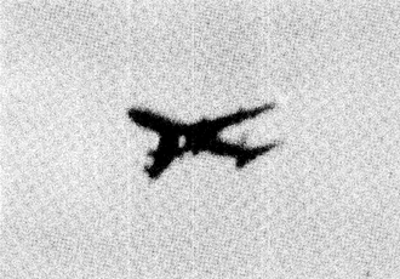
�craft involved pictured) crashed into Mount Takamagahara in Gunma Prefecture, killing 520 of 524 people on board, including singer Kyu Sakamoto, in the world's worst single-aircraft aviation disaster.
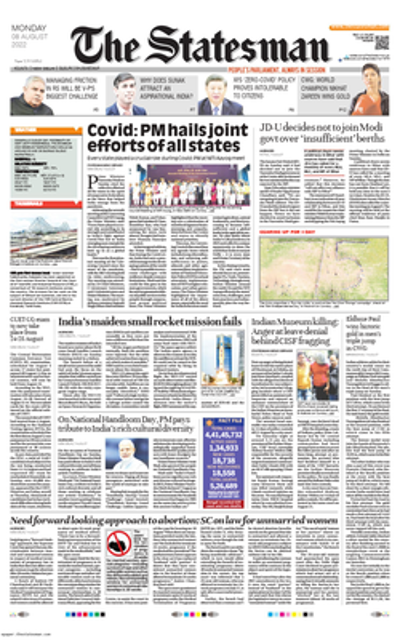
Ian Stephens, editor of The Statesman, defied British censorship to publish pictures of death and misery (example pictured) on Calcutta's streets, informing the world of the Bengal famine of 1943.