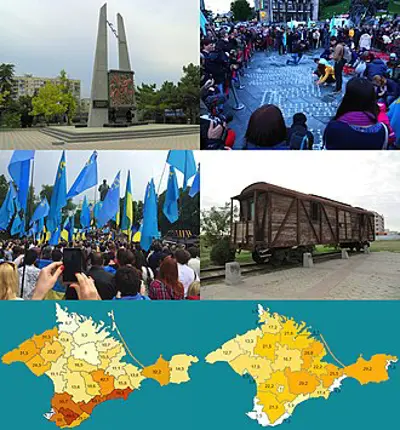
The Soviet Union forcibly deported hundreds of thousands of Crimean Tatars to the Uzbek SSR and elsewhere in the country
The Soviet Union forcibly deported hundreds of thousands of Crimean Tatars to the Uzbek SSR and elsewhere in the country.

73083 results for “Charles A. Beard” (2619 ms)
The Soviet Union forcibly deported hundreds of thousands of Crimean Tatars to the Uzbek SSR and elsewhere in the country.
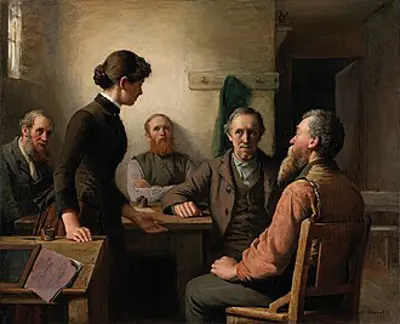
In a crime that captivated Japan, Sada Abe (pictured) strangled her lover, cut off his genitals, and carried them around with her for several days until her arrest.
Disgruntled school board treasurer Andrew Kehoe set off explosives with timers and a rifle (aftermath pictured), causing the Bath School disaster in the Bath Consolidated School in Michigan, killing �
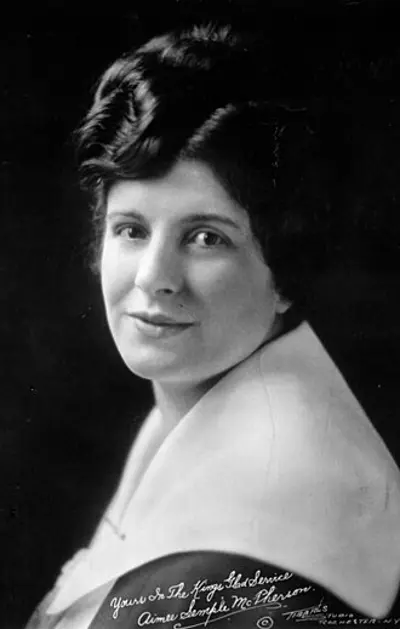
Pentecostal evangelist Aimee Semple McPherson was reportedly kidnapped near Venice Beach in Los Angeles before reappearing five weeks later in Mexico.
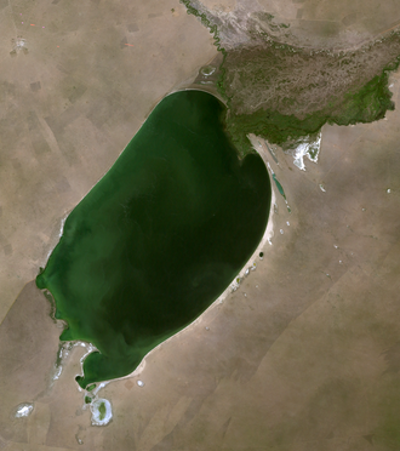
At the Battle of Buir Lake, a Ming Chinese army led by general Lan Yu defeated the forces of Tögüs Temür, the Mongol khan of Northern Yuan.
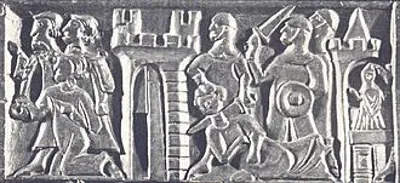
Armed insurrectionists massacred the occupying French garrison in Bruges, Flanders, killing approximately 2,000 people.
A devastating EF4 tornado kills nineteen people in Southeast Kentucky, hitting the towns of Somerset and London.
Twelve people are killed in two explosions in the Gikomba market area of Nairobi, Kenya.
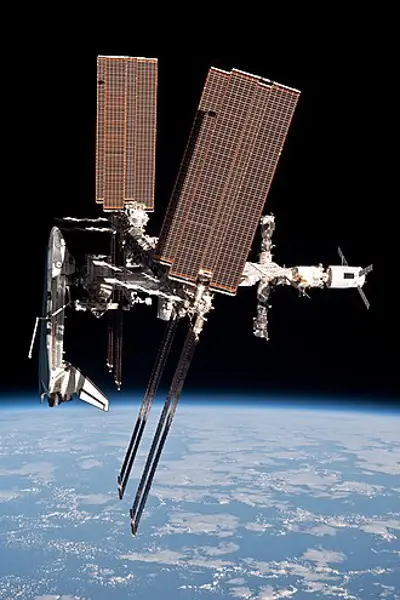
STS-134 (ISS assembly flight ULF6), launched from the Kennedy Space Center on the 25th and final flight for Space Shuttle Endeavour.
Kuwait permits women's suffrage in a 35–23 National Assembly vote.
In Morocco, 33 civilians are killed and more than 100 people are injured in the Casablanca terrorist attacks.
An Antonov An-24 crashes into a kindergarten building in Svetlogorsk, killing 35.
In Hollywood, the first Academy Awards ceremony takes place.
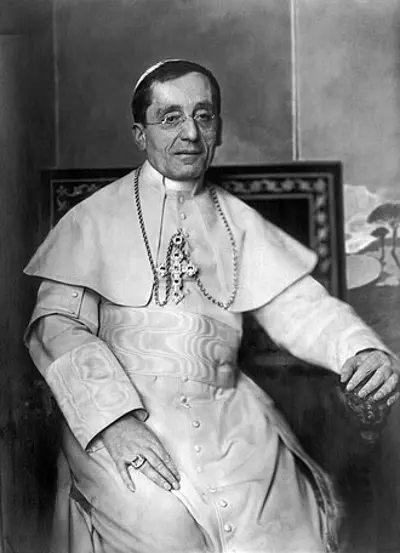
In Rome, Pope Benedict XV canonizes Joan of Arc.
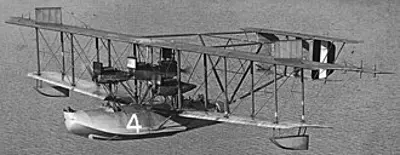
A naval Curtiss NC-4 aircraft commanded by Albert Cushing Read leaves Trepassey, Newfoundland, for Lisbon via the Azores on the first transatlantic flight.
The Sedition Act of 1918 is passed by the U.S. Congress, making criticism of the government during wartime an imprisonable offense. It will be repealed less than two years later.
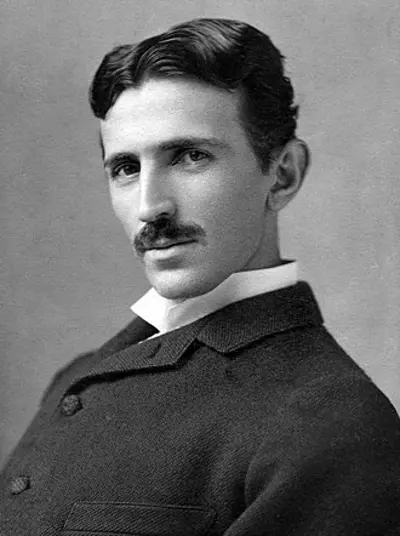
Nikola Tesla delivers a lecture describing the equipment which will allow efficient generation and use of alternating currents to transmit electric power over long distances.
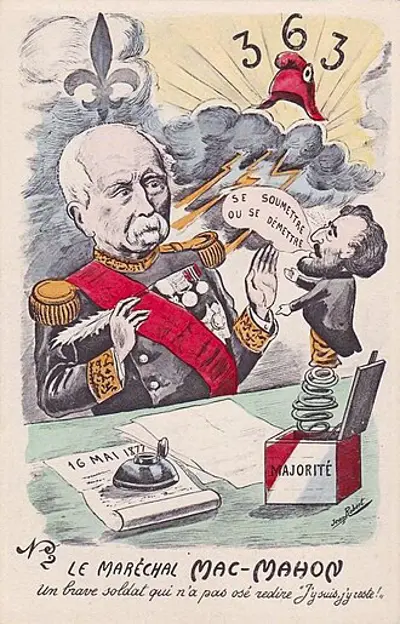
The 16 May 1877 crisis occurs in France, ending with the dissolution of the National Assembly 22 June and affirming the interpretation of the Constitution of 1875 as a parliamentary rather than presi�
A flood on the Mill River in Massachusetts destroys much of four villages and kills 139 people.
The United States Senate fails to convict President Andrew Johnson by one vote.