1935
Chaco War ends: A truce is called between Bolivia and Paraguay who had been fighting since 1932
Chaco War ends: A truce is called between Bolivia and Paraguay who had been fighting since 1932.
10129 results for “W. E. D. Ross” — type: events (3050 ms)
Chaco War ends: A truce is called between Bolivia and Paraguay who had been fighting since 1932.
First Barbary War: Yusuf Karamanli signs a treaty ending the hostilities between Tripolitania and the United States.
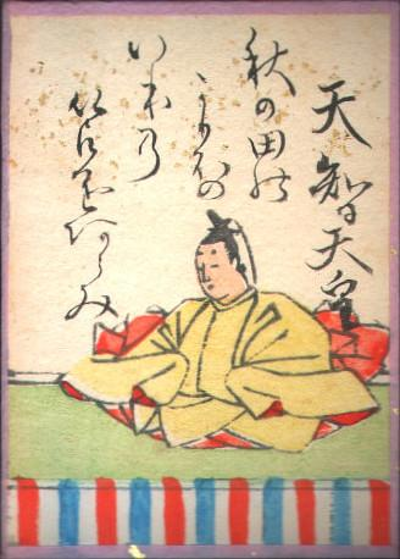
Emperor Tenji of Japan introduces a water clock (clepsydra) called Rokoku. The instrument, which measures time and indicates hours, is placed in the capital of Ōtsu.
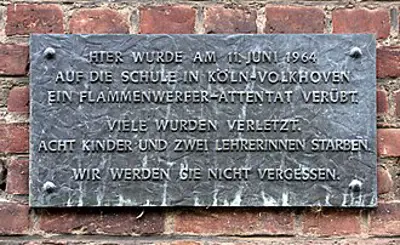
�veteran Walter Seifert attacks an elementary school in Cologne, Germany, killing at least eight children and two teachers and seriously injuring several more with a home-made flamethrower and a lance.
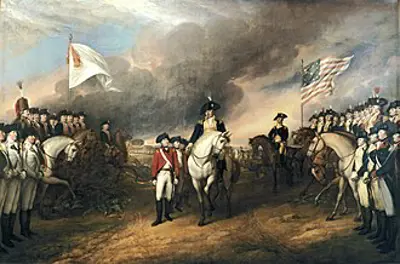
The American Revolutionary War's first naval engagement, the Battle of Machias, results in the capture of a small British naval vessel.
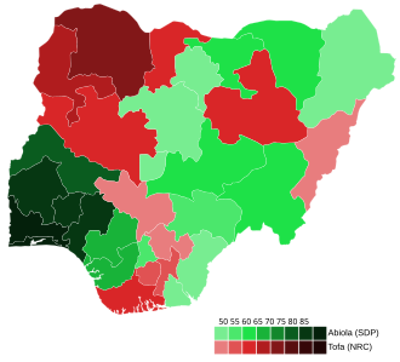
An election takes place in Nigeria and is won by Moshood Kashimawo Olawale Abiola. Its results are later annulled by the military government of Ibrahim Babangida.

Bryan Allen wins the second Kremer prize for a man-powered flight across the English Channel in the Gossamer Albatross.
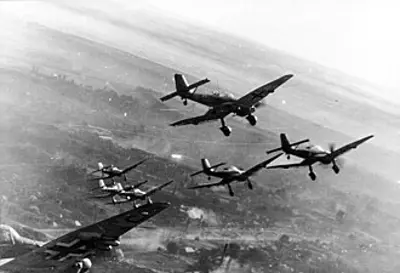
World War II: Thirteen thousand British and French troops surrender to General Erwin Rommel at Saint-Valery-en-Caux.
A ceasefire is negotiated between Bolivia and Paraguay, ending the Chaco War.
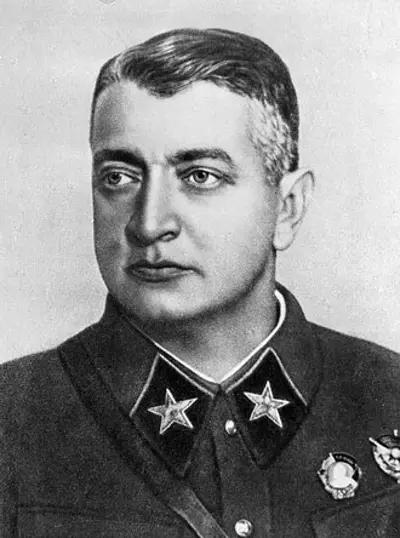
Mikhail Tukhachevsky orders the use of chemical weapons against the Tambov Rebellion, bringing an end to the peasant uprising.
Émile Levassor wins the world's first real automobile race. Levassor completed the 732-mile course, from Paris to Bordeaux and back, in just under 49 hours, at a then-impressive speed of about fifteen�
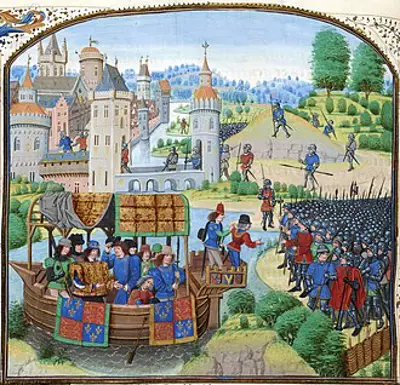
In England, the Peasants' Revolt, led by Wat Tyler, comes to a head, as rebels set fire to the Savoy Palace.
American Revolutionary War: the Continental Army is established by the Continental Congress, marking the birth of the United States Armed Forces.
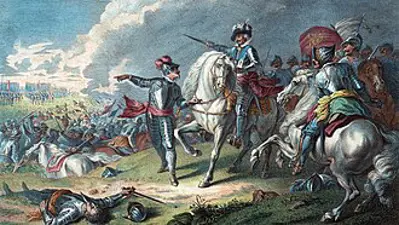
English Civil War: Battle of Naseby: Twelve thousand Royalist forces are beaten by fifteen thousand Parliamentarian soldiers.
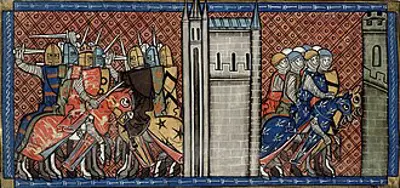
First Barons' War: Prince Louis of France takes the city of Winchester, abandoned by John, King of England, and soon conquers over half of the kingdom.
A bomb explodes on a bus in the Pakistani city of Quetta, killing at least 25 people and wounding 22 others.
World War II: Operation Aerial begins: Allied troops start to evacuate France, following Germany's takeover of Paris and most of the nation.
World War II: Marshal Henri Philippe Pétain becomes Chief of State of Vichy France (Chef de l'État Français).

The Soviet Union occupies Lithuania, which will eventually become the Lithuanian Soviet Socialist Republic (SSR).
General election in the Irish Free State: The pro-Treaty Sinn Féin party wins a large majority.