The Civil Liberties Act of 1988 became law, authorizing reparations to surviving Japanese Americans interned during…
The Civil Liberties Act of 1988 became law, authorizing reparations to surviving Japanese Americans interned during World War II.

1652 results for “Pierre de la Rue” — type: selected (756 ms)
The Civil Liberties Act of 1988 became law, authorizing reparations to surviving Japanese Americans interned during World War II.

A tornado struck downtown Salt Lake City, damaging 120 homes and injuring over 100 people.
At a party in New York City, Jamaican musician DJ Kool Herc (pictured) began rapping during an extended break, laying the foundation for hip hop music.
The first Bud Billiken Parade and Picnic, the oldest and largest African-American parade in the United States, was held in Chicago.
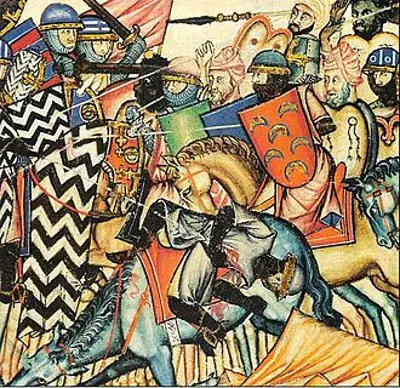
Reconquista: Aragonese forces led by King James II landed on the coast of Almería, beginning an ultimately unsuccessful siege of the city, then held by the Emirate of Granada.
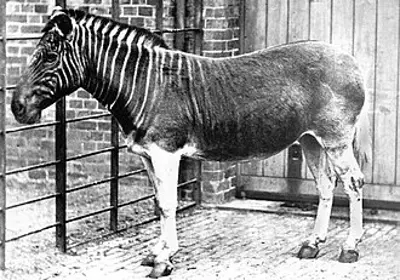
The last known quagga (example pictured), a subspecies of the plains zebra, died at Natura Artis Magistra, a zoo in Amsterdam.
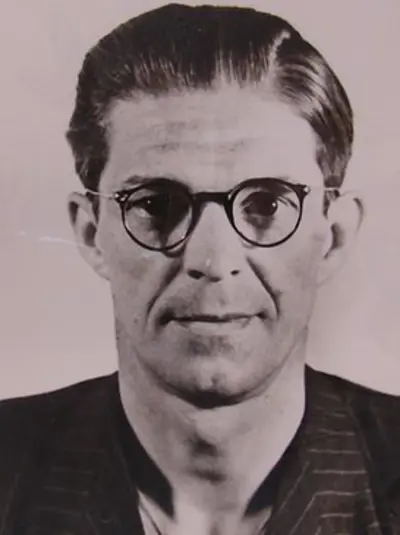
Josef Jakobs, a German spy, became the last person executed at the Tower of London.
Byzantine general Eustathios Daphnomeles captured and blinded Ibatzes of Bulgaria by means of a ruse, ending the last resistance against Emperor Basil II's conquest of Bulgaria.
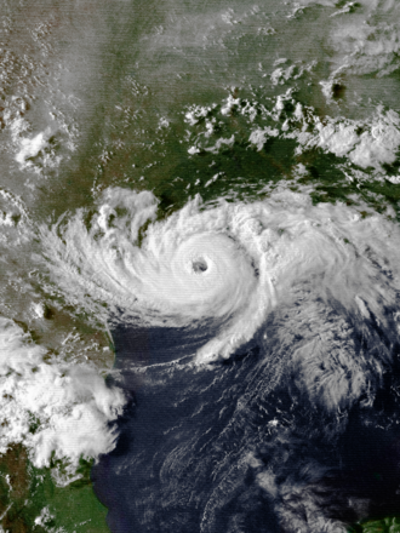
Hurricane Alicia made landfall near Galveston, Texas, causing $3 billion in damage and 21 fatalities.
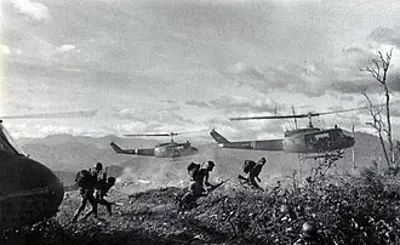
�of the 6th Battalion of the Royal Australian Regiment were surrounded by a much larger Viet Cong unit at the Battle of Long Tan (helicopter pictured), but held them off for several hours until reinfor�
Seven Years' War: Having damaged several French vessels, British ships pursued the remainder of the fleet to Lagos, Portugal, and continued the battle there in violation of Portuguese neutrality.
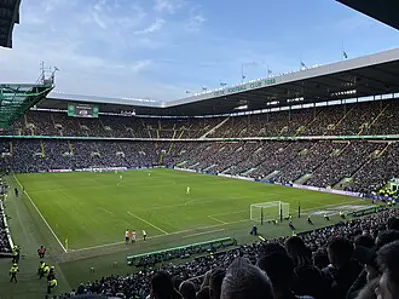
Celtic Park, the largest football stadium in Scotland and home of Celtic F.C., opened.
Syrian civil war: Areas controlled by the Syrian opposition in Ghouta, Damascus, were attacked by rockets (launcher pictured) containing sarin, killing at least 281 people.
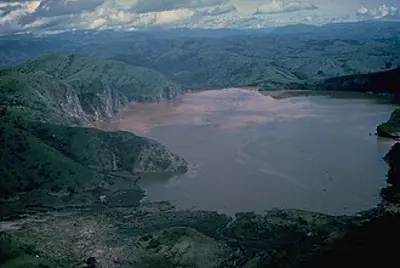
A limnic eruption of Lake Nyos in Cameroon released a cloud of carbon dioxide, suffocating 1,746 people and 3,500 livestock.
World War II: The Imperial Japanese Army lost the Battle of the Tenaru, the first of its three major land offensives during the Guadalcanal campaign.
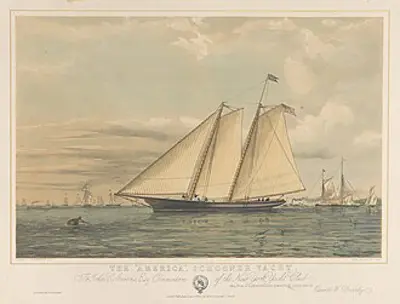
The yacht America won the race for the Cup of One Hundred Sovereigns (trophy pictured), later renamed the America's Cup, near the Isle of Wight, England.
American Revolutionary War: Benedict Arnold used a ruse to convince the British that a much larger force was arriving, causing them to abandon the siege of Fort Stanwix (reconstructed fort pictured).
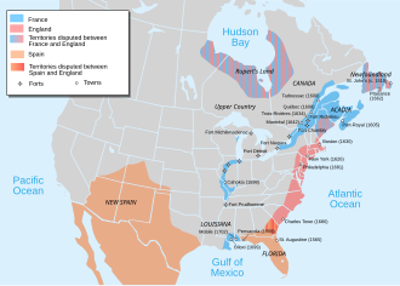
Queen Anne's War: A British attempt to attack Quebec failed when eight ships wrecked on the St. Lawrence River.
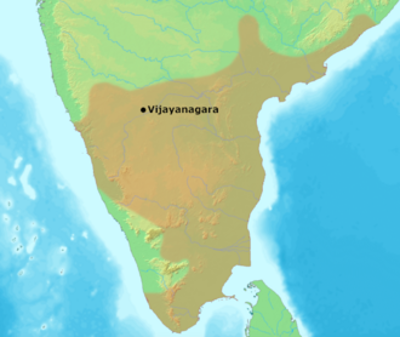
The Vijayanagara Empire leased a small strip of land in present-day Chennai, the capital of the present-day Indian state of Tamil Nadu, to the East India Company.
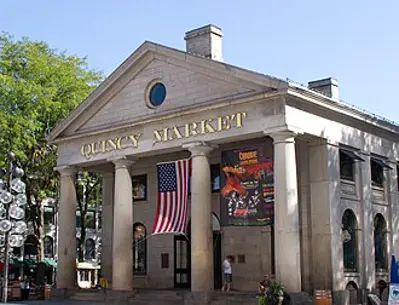
Quincy Market in Boston opens as a replacement for an overcrowded market in Faneuil Hall, later becoming a major tourist attraction.