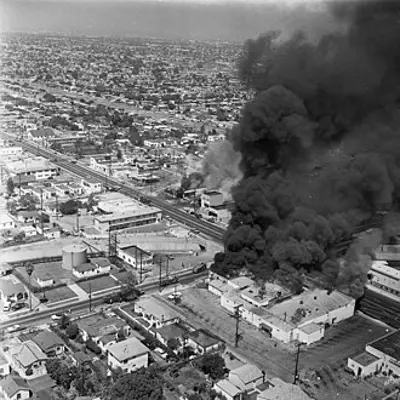
1965
Race riots (the Watts Riots) begin in the Watts area of Los Angeles, California.
Race riots (the Watts Riots) begin in the Watts area of Los Angeles, California.
76205 results for “A. W. Mailvaganam” (3210 ms)
Race riots (the Watts Riots) begin in the Watts area of Los Angeles, California.
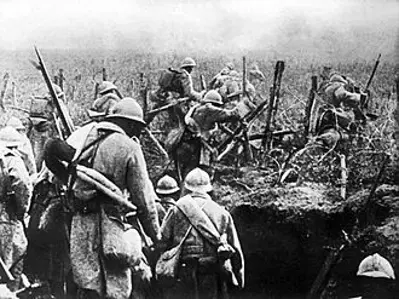
World War I: France, the United Kingdom and the British Empire declare war on Austria-Hungary.
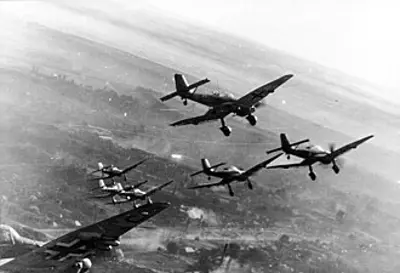
World War II: Winston Churchill and Franklin D. Roosevelt sign the Atlantic Charter of war stating postwar aims.
World War I: Beginning of the Battle of Cer, the first Allied victory of World War I.
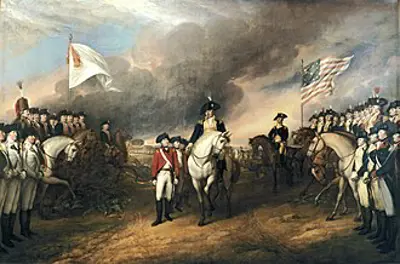
American Revolutionary War: Battle of Blue Licks: The last major engagement of the war, almost ten months after the surrender of the British commander Charles Cornwallis following the Siege of Yorkto�
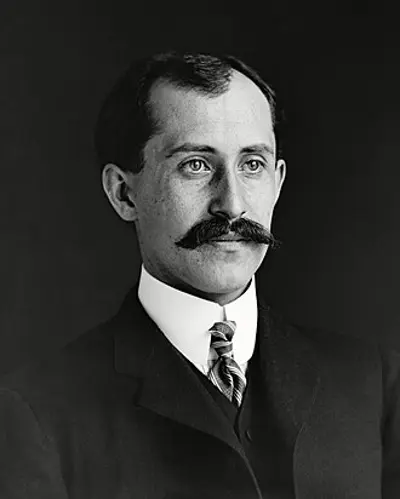
Orville Wright, American engineer and pilot, co-founded the Wright Company (died 1948)
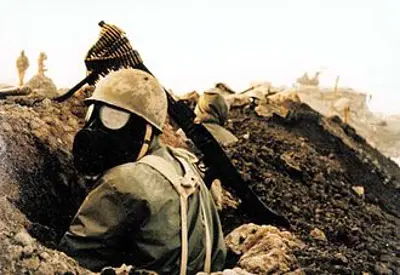
Iran–Iraq War: A ceasefire is agreed after almost eight years of war.
World War I: The Battle of Cer ends as the first Allied victory in the war.
The War of the Hats: The Swedish army surrenders to the Russians in Helsinki, ending the war and starting Lesser Wrath.
World War I: Japan declares war on Austria-Hungary.
Jim Wallace, Baron Wallace of Tankerness, Scottish lawyer and politician, First Minister of Scotland
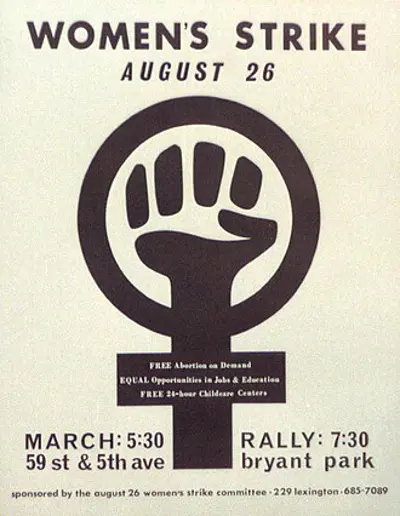
The fiftieth anniversary of American women being able to vote is marked by a nationwide Women's Strike for Equality.
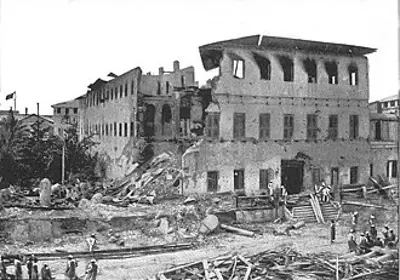
Anglo-Zanzibar War: The shortest war in world history (09:02 to 09:40), between the United Kingdom and Zanzibar.
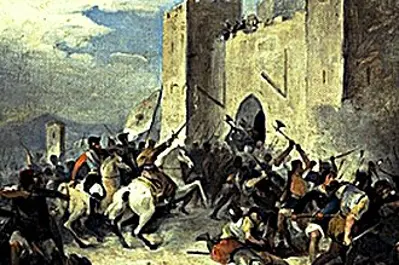
War of the Straits and Sardinian–Aragonese war: The Battle of Alghero results in a crushing victory of the allied Aragonese and Venetian fleet over the Genoese fleet, most of which is captured.
John Hay Whitney, American businessman, publisher, and diplomat, founded J.H. Whitney & Company (died 1982)
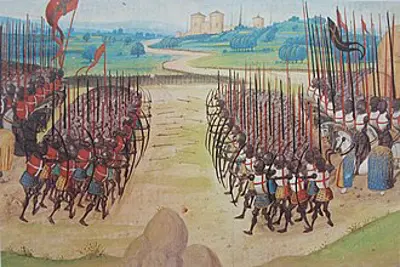
Hundred Years' War: The Treaty of Picquigny formally ends the war between the kingdoms of France and England.
Samuel Whitbread, English brewer and politician, founded Whitbread (died 1796)
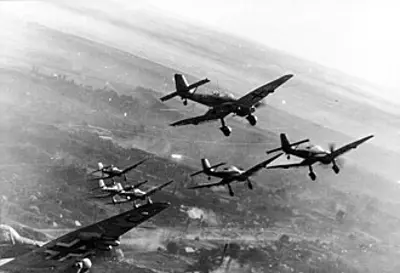
World War II: Germany and Slovakia invade Poland, beginning the European phase of World War II.
French Revolution: Due to an overwhelming fear that foreign armies would attack Paris and prisoners would revolt, revolutionaries began the summary execution of more than a thousand prisoners.
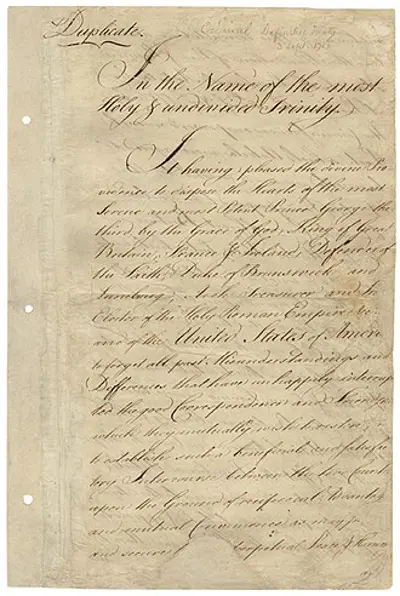
American Revolutionary War: The war ends with the signing of the Treaty of Paris by the United States and the Kingdom of Great Britain.