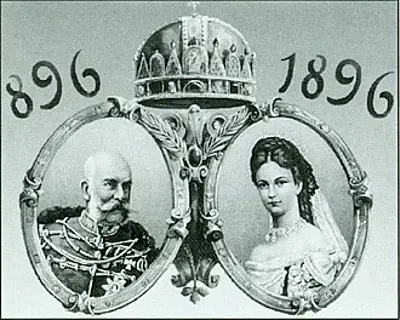
1918
Kaiser Wilhelm II of Germany abdicates after the German Revolution, and Germany is proclaimed a Republic.
Kaiser Wilhelm II of Germany abdicates after the German Revolution, and Germany is proclaimed a Republic.
122 results for “Wilhelm Hauff” (27 ms)
Kaiser Wilhelm II of Germany abdicates after the German Revolution, and Germany is proclaimed a Republic.
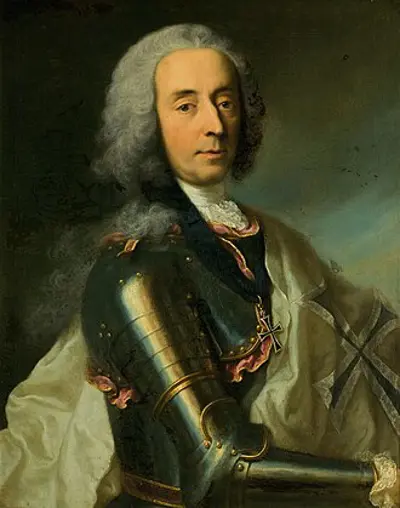
Unico Wilhelm van Wassenaer, Dutch composer and diplomat (born 1692)
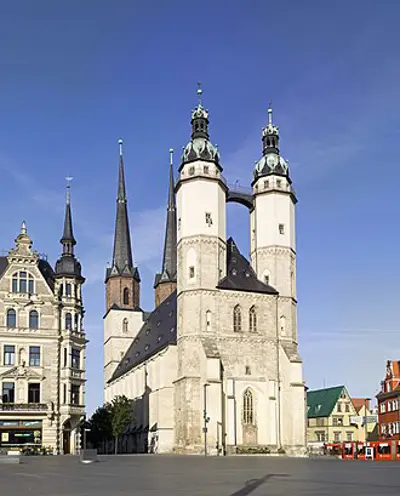
Friedrich Wilhelm Zachow, German organist and composer (died 1712)
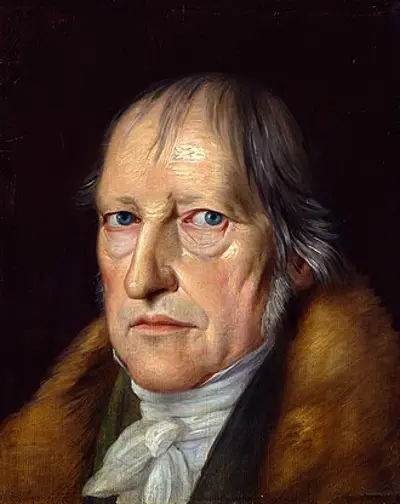
Georg Wilhelm Friedrich Hegel, German philosopher, author, and academic (born 1770)
Georg Wilhelm Steller, German botanist, zoologist, physician, and explorer (born 1709)
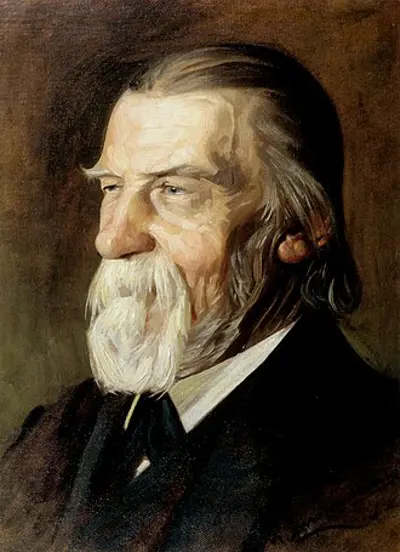
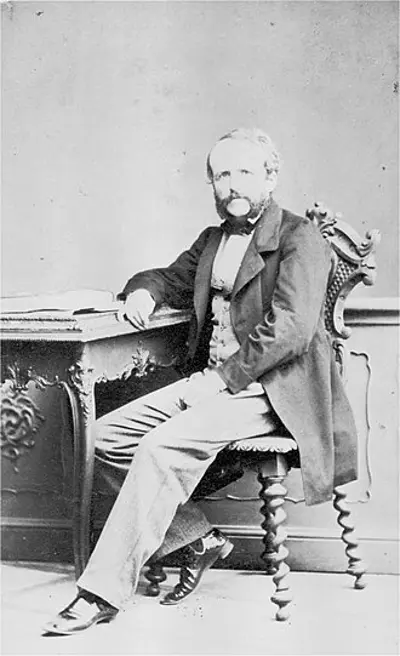
August Wilhelm Ambros, Austrian composer and historian (died 1876)
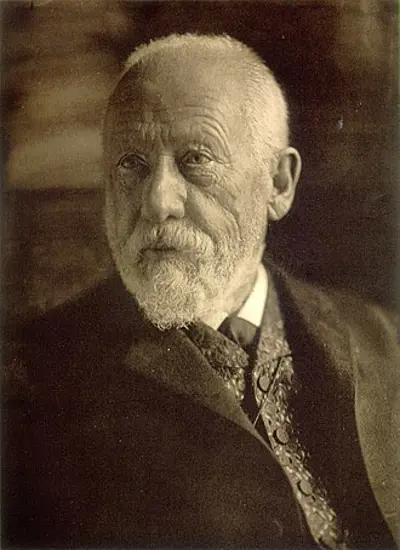
Wilhelm Dilthey, German psychologist, sociologist, and historian (died 1911)
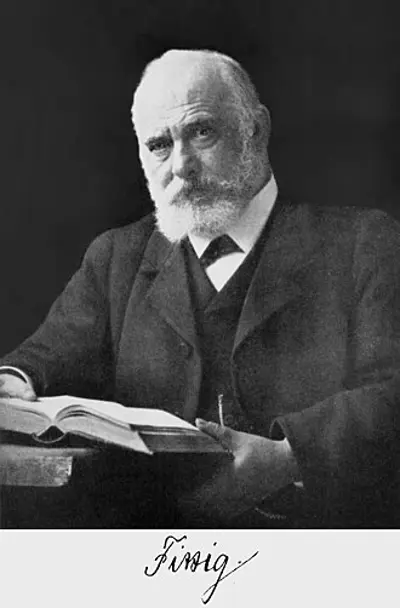
Wilhelm Rudolph Fittig, German chemist (born 1835)
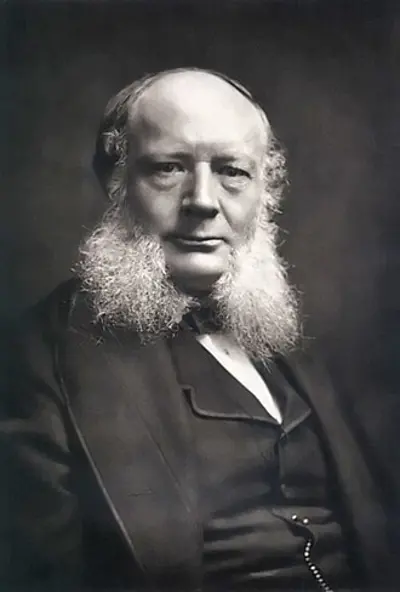
Carl Wilhelm Siemens, German-English engineer (born 1823)
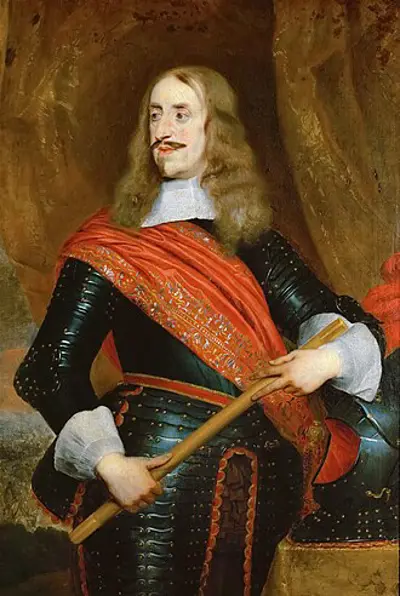
Leopold Wilhelm, Austrian duke and governor (born 1614)
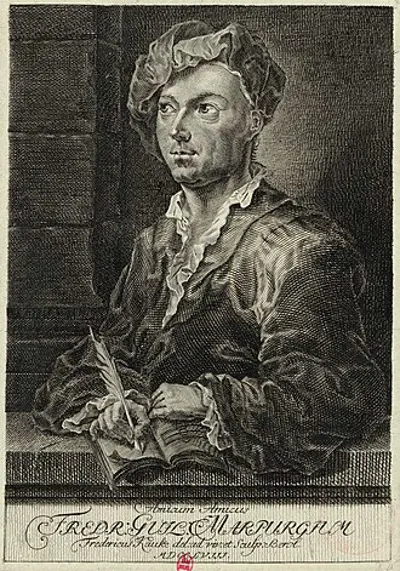
Friedrich Wilhelm Marpurg, German composer, critic, and theorist (died 1795)
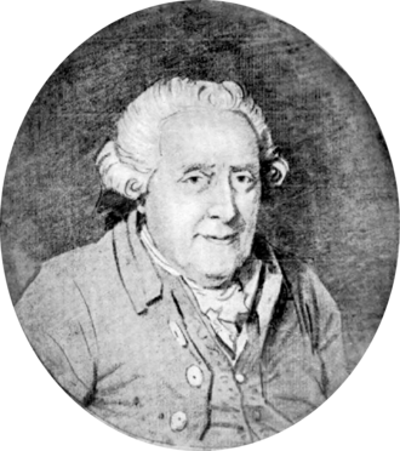
Wilhelm Friedemann Bach, German composer (died 1784)
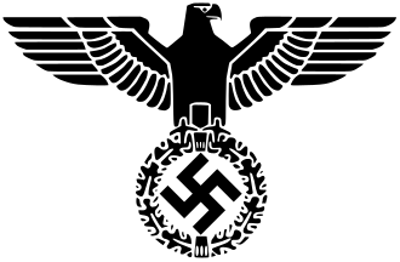
Wilhelm Schäfer leaves the Nazi Party and hands over the Boxheim Documents to the Frankfurt police.
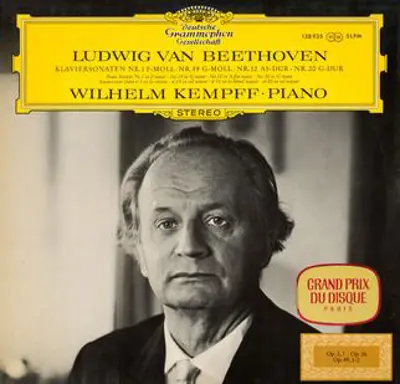
Wilhelm Kempff, German pianist and composer (died 1991)
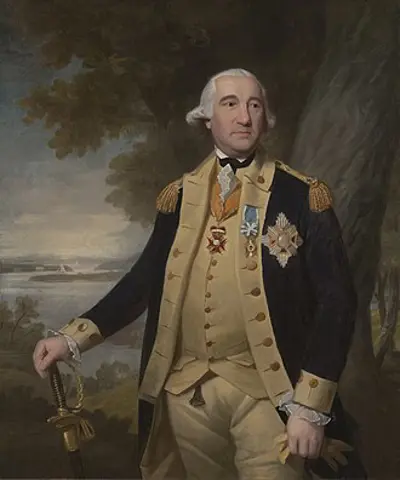
Friedrich Wilhelm von Steuben, Prussian-American general (born 1730)
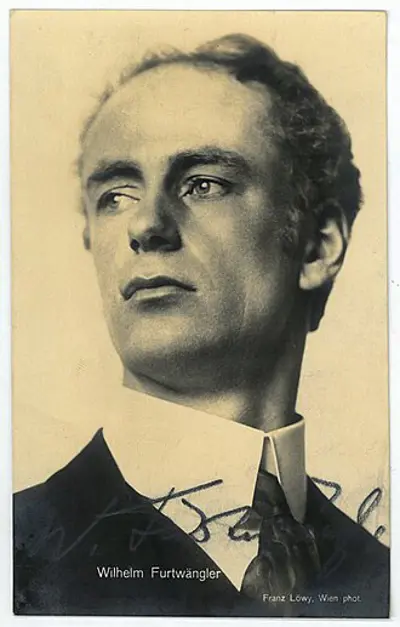
Wilhelm Furtwängler, German conductor and composer (born 1886)
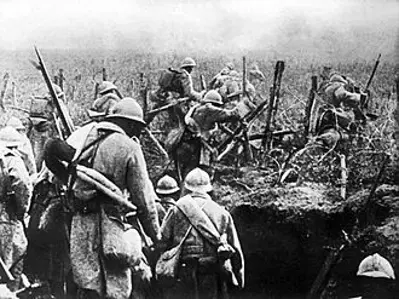
World War I: Western Front: Battle of Belleau Wood: Allied Forces under John J. Pershing and James Harbord engage Imperial German Forces under Wilhelm, German Crown Prince.
World War I: Allied forces under John J. Pershing and James Harbord defeat Imperial German forces under Wilhelm, German Crown Prince in the Battle of Belleau Wood.
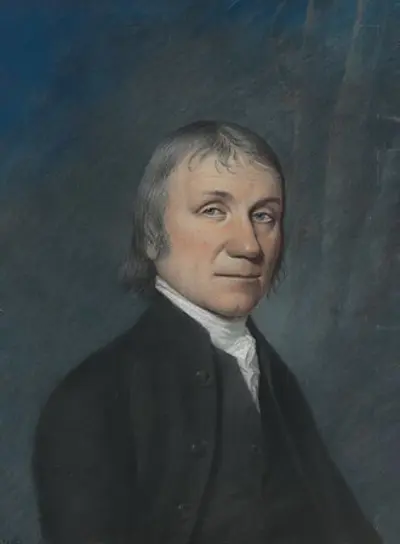
British scientist Joseph Priestley discovers oxygen gas, corroborating the prior discovery of this element by German-Swedish chemist Carl Wilhelm Scheele.