A large explosion of ammonium nitrate stored at the Port of Beirut in Lebanon killed 218 people and caused…
A large explosion of ammonium nitrate stored at the Port of Beirut in Lebanon killed 218 people and caused US$15 billion in damage.
3485 results for “P. D. Eastman” — type: selected (2129 ms)
A large explosion of ammonium nitrate stored at the Port of Beirut in Lebanon killed 218 people and caused US$15 billion in damage.
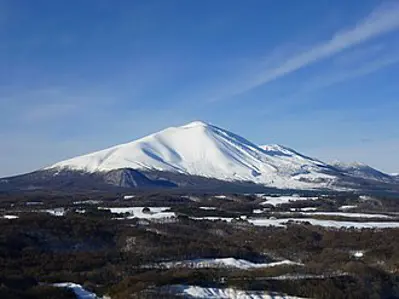
Mount Asama (pictured) in Japan began a climactic eruption, which exacerbated the Great Tenmei famine and led to thousands of deaths.
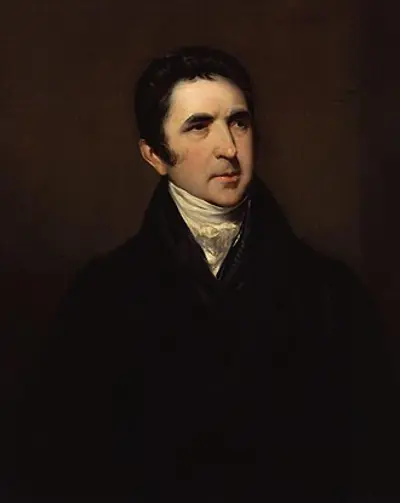
Sir John Barrow, secretary at the Admiralty, rejected a proposal to use Francis Ronalds's electrical telegraph, deeming it "wholly unnecessary".
Mauritanian president Sidi Ould Cheikh Abdallahi was ousted from power by a group of high-ranking generals that he had dismissed from office several hours earlier.
British computer programmer Tim Berners-Lee posted a public invitation to collaborate on a system of interlinked, hypertext documents accessible via the Internet, known as the World Wide Web.
The Badge of Military Merit (pictured), the precursor to the U.S. Purple Heart, was established as a military decoration of the Continental Army.
A EuroCity train en route to Prague struck a part of a motorway bridge that had fallen onto the track near Studénka station and derailed, killing 8 people and injuring 64 others.
Spring and Autumn period: Amid a succession dispute, the forces of Duke Zhuang of Lu, who was attempting to install a claimant to the Qi throne, were defeated at the Battle of Qianshi.
�penned a letter, signed by Albert Einstein and addressed to U.S. president Franklin D. Roosevelt, warning that Germany may develop atomic bombs, leading to the establishment of the Manhattan Project.
Amid rumors of kidnappings of children by Jews in Kraków, a crowd of Poles took part in a pogrom, resulting in at least one death.
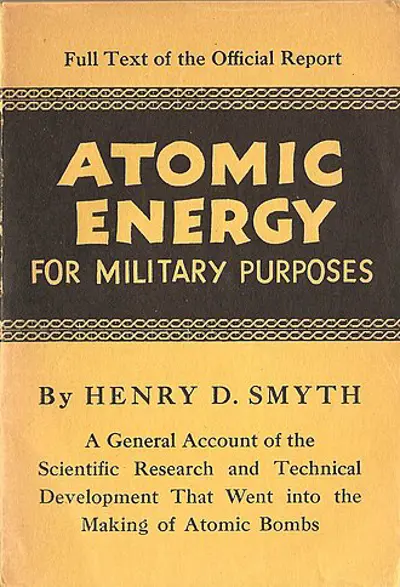
An official administrative history of the Manhattan Project, written by American physicist Henry DeWolf Smyth, was released to the public days after the atomic bombings of Hiroshima and Nagasaki.
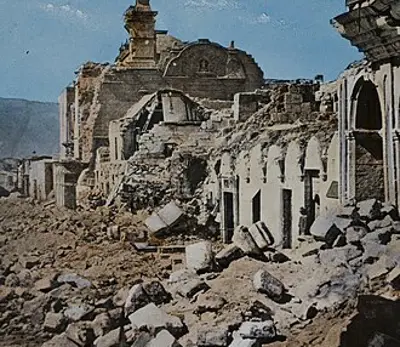
A major earthquake near Arica, Peru (now in Chile), caused an estimated 25,000 casualties; the subsequent tsunami caused considerable damage as far away as Hawaii and New Zealand.
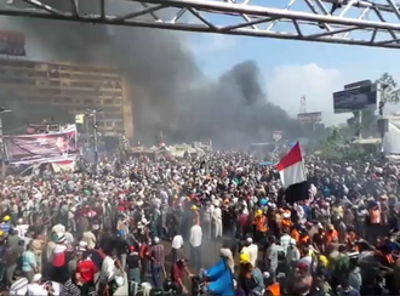
Security forces raided two camps of supporters of the ousted Egyptian president Mohamed Morsi in Cairo, leading to the deaths of at least 595 civilians.
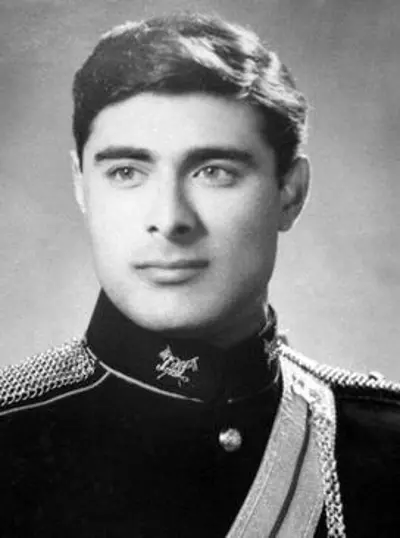
Suicide bombers assassinated Pakistani politician Shuja Khanzada and killed at least 21 others at his home in Attock District.
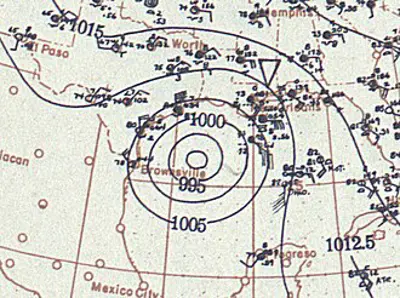
A category 4 hurricane made landfall in Galveston, Texas, leaving at least 275 people dead and causing $50 million in damage.
The Scottish Reformation Parliament approved a Protestant confession of faith, initiating the Scottish Reformation and disestablishing Catholicism as the national religion.
A hurricane struck the Caribbean island of Martinique, killing about 700 people, injuring at least 1,000 others, and causing severe damage.
Shortly after his return from the Ninth Crusade, Edward I (pictured) was crowned King of England at Westminster Abbey, nearly two years after his father's death.
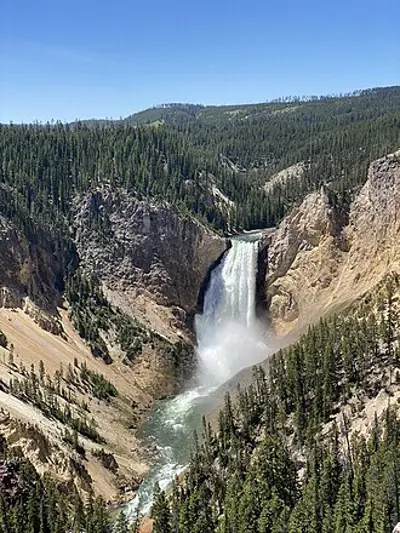
Fires in the United States' Yellowstone National Park ravaged more than 150,000 acres (610 km2) on the single worst day of the conflagration.
Pluto (pictured) was photographed for the first time at the Yerkes Observatory in Williams Bay, Wisconsin, U.S., 21 years before it was officially discovered by Clyde Tombaugh.