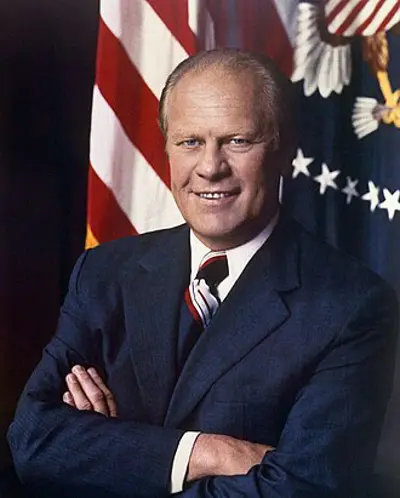
President Nixon nominates House Minority Leader Gerald R. Ford as the successor to Vice President Spiro T. Agnew.
1793 results for “Pierre Charles Le Monnier” — type: events (427 ms)
President Nixon nominates House Minority Leader Gerald R. Ford as the successor to Vice President Spiro T. Agnew.
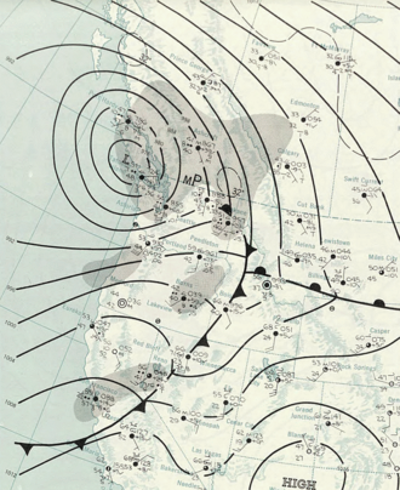
The Columbus Day Storm strikes the U.S. Pacific Northwest with record wind velocities. There was at least U.S. $230 million in damages and 46 people died.
At the national congress of the American Popular Revolutionary Alliance in Peru, a group of leftist radicals are expelled from the party who later form APRA Rebelde.
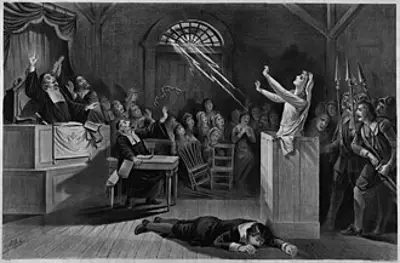
The Salem witch trials are ended by a letter from Province of Massachusetts Bay Governor William Phips.
At least 60 people die in eastern Papua New Guinea when a series of earthquakes rock the Finisterre Range, triggering massive landslides.
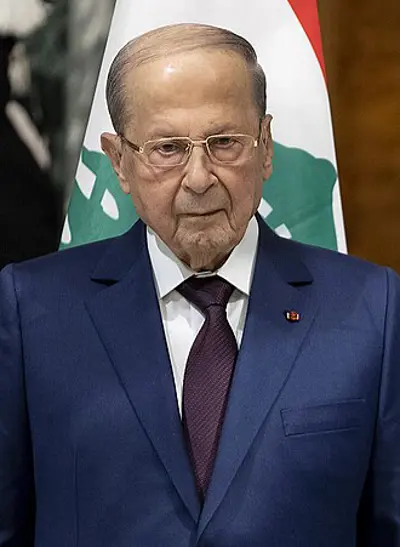
Syrian forces attack free areas of Lebanon, removing General Michel Aoun from the presidential palace.
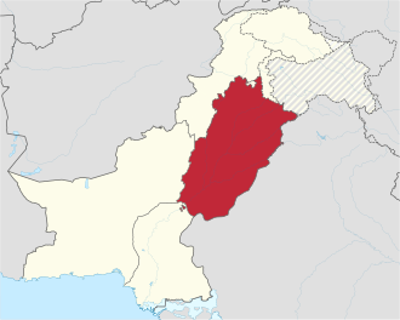
A suicide bomb attack in Tonsa, Pakistan kills at least seven people and injures 13 others.
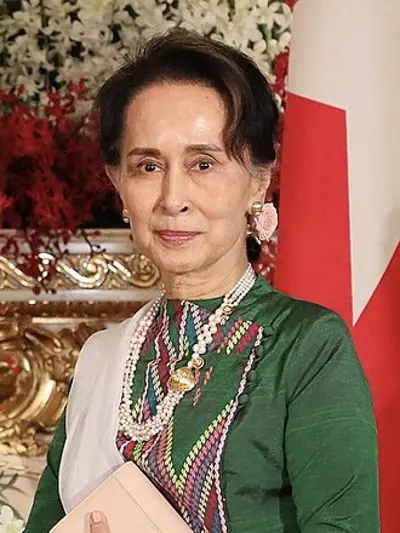
Burmese opposition leader Aung San Suu Kyi is awarded the Nobel Peace Prize.
The first National March on Washington for Lesbian and Gay Rights draws approximately 100,000 people.
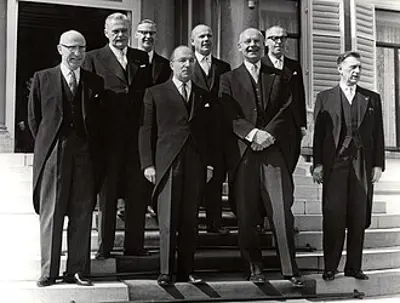
The Dutch Cals cabinet fell after Norbert Schmelzer, the leader of the government party, filed a successful motion against the budget, in what later became known as the Night of Schmelzer.
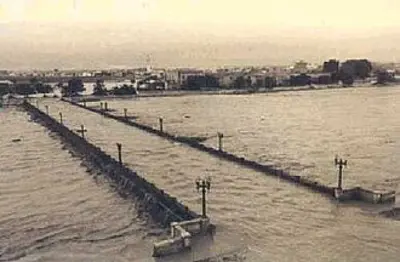
At least 81 people are killed in the most devastating flood in the history of the Spanish city of Valencia.
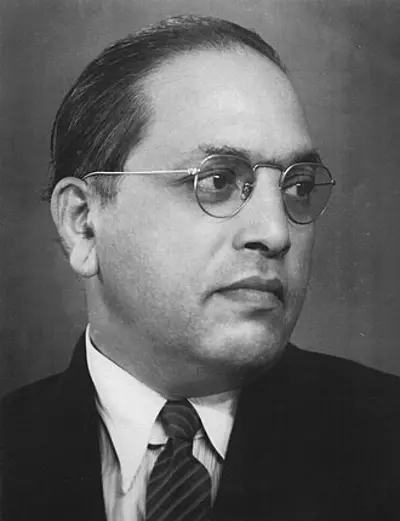
Dr. B. R. Ambedkar, leader of India's Untouchable caste, converts to Buddhism along with 385,000 of his followers (see Neo-Buddhism).
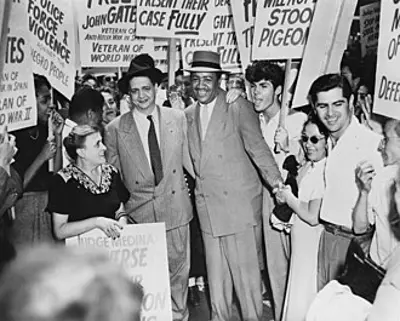
The Smith Act trials of Communist Party leaders in the United States convicts eleven defendants of conspiring to advocate the violent overthrow of the federal government.
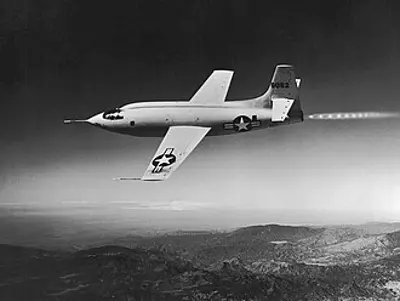
Flying the Bell X-1 over Muroc Army Air Field in California, Captain Chuck Yeager breaks the sound barrier in level flight, reaching Mach 1.05.
Germany withdraws from the League of Nations and World Disarmament Conference.
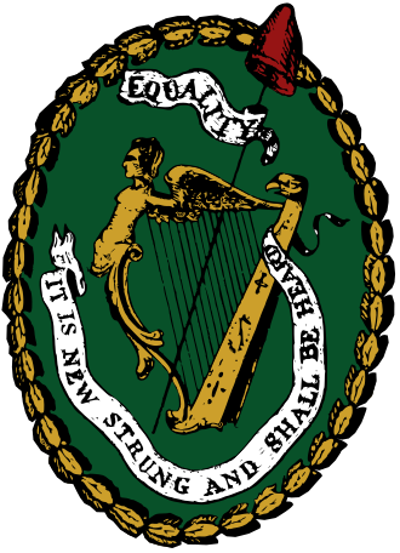
The revolutionary group the United Irishmen is formed in Belfast, Ireland leading to the Irish Rebellion of 1798.
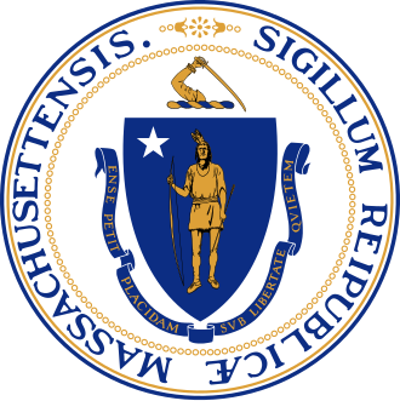
The General Court of the Massachusetts Bay Colony enacts the first punitive legislation against the Religious Society of Friends.
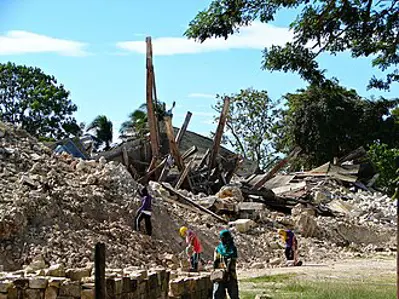
The 7.2 Mw Bohol earthquake strikes the Philippines. At least 215 were killed.
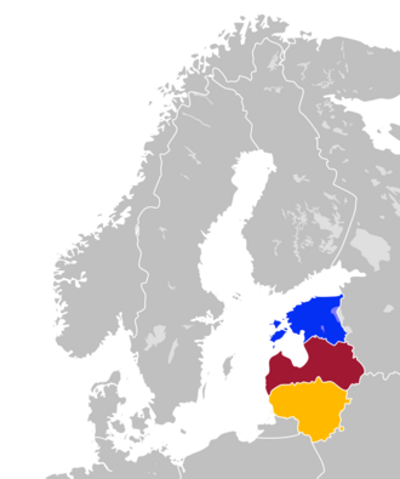
The leaders of the Baltic States, Arnold Rüütel of Estonia, Anatolijs Gorbunovs of Latvia and Vytautas Landsbergis of Lithuania, signed the OSCE Final Act in Helsinki, Finland.
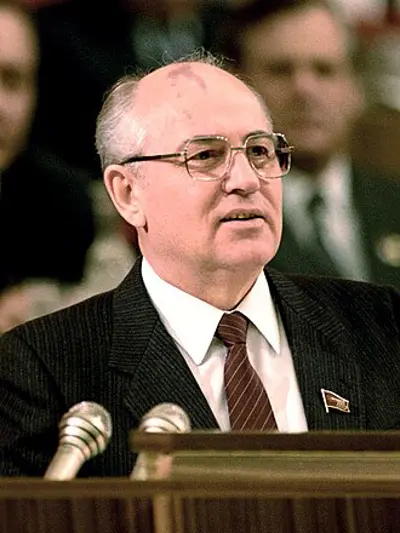
Soviet Union leader Mikhail Gorbachev is awarded the Nobel Peace Prize for his efforts to lessen Cold War tensions and open up his nation.