1800
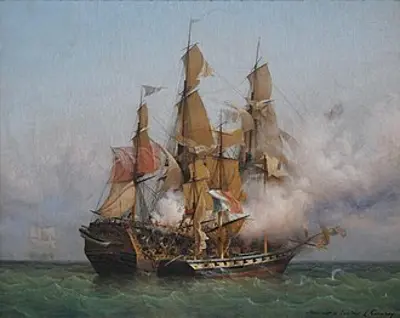
The French privateer Robert Surcouf led a 150-man crew to capture the 40-gun, 437-man East Indiaman Kent.
The French privateer Robert Surcouf led a 150-man crew to capture the 40-gun, 437-man East Indiaman Kent.
1807 results for “Richard I of Normandy” — type: selected (710 ms)
The French privateer Robert Surcouf led a 150-man crew to capture the 40-gun, 437-man East Indiaman Kent.
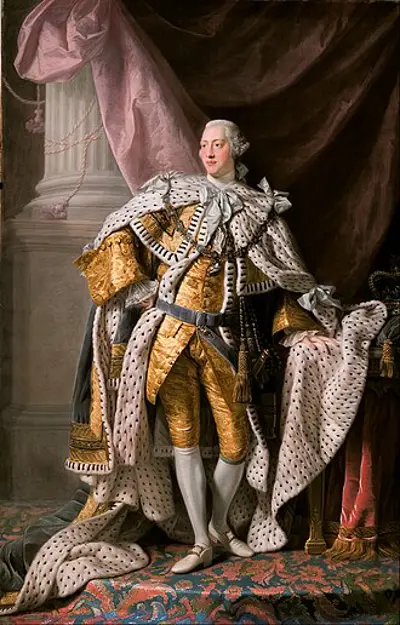
King George III issued a royal proclamation that forbade British settlement of much of newly acquired French territory in North America, reserving the land for indigenous peoples.
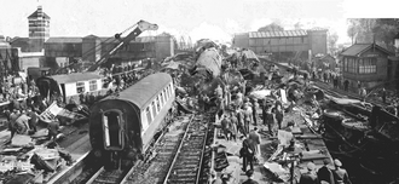
Three trains collided (aftermath pictured) at Harrow & Wealdstone station in London, killing 112 people and injuring 340 others.
The Indian Air Force was founded as an auxiliary air force of the British Royal Air Force.
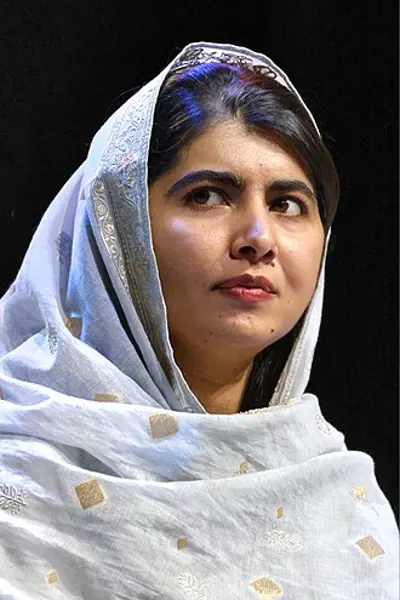
Pakistani activist Malala Yousafzai (pictured) was severely injured by a Taliban gunman in a failed assassination attempt.
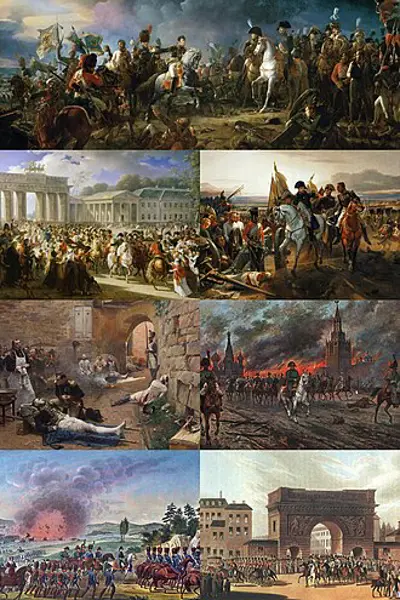
Late in the Napoleonic Wars, Empress Marie Louise (pictured) issued decrees conscripting tens of thousands of French teenagers, who became known as Marie-Louises.
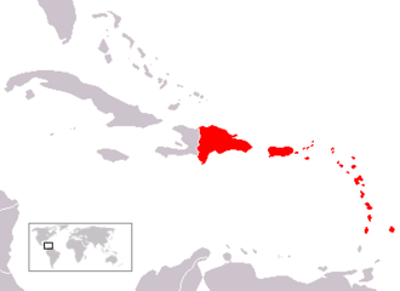
The deadliest Atlantic hurricane on record began to impact the Caribbean, killing at least 20,000 people across the Antilles over the subsequent days.
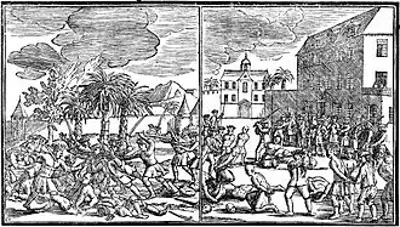
European soldiers and Javanese collaborators started massacring Chinese Indonesians in the port city of Batavia, modern-day Jakarta: at least 10,000 people were killed.
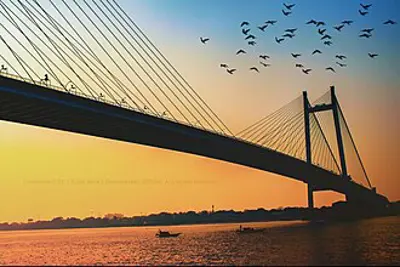
After 20 years of construction, Vidyasagar Setu, the longest cable-stayed bridge in India, opened, joining Kolkata and Howrah.
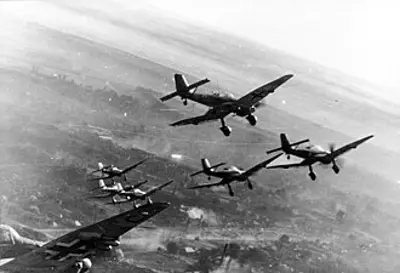
World War II: The Kempeitai, the military police arm of the Imperial Japanese Army, arrested and tortured fifty-seven civilians and civilian internees on suspicion of their involvement in a raid on Si�
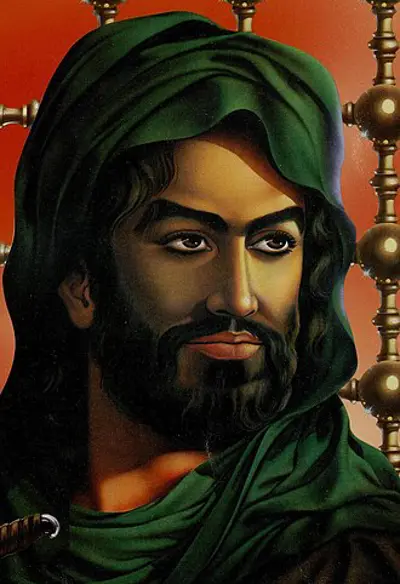
Husayn ibn Ali, a grandson of Muhammad, was killed at the Battle of Karbala (depicted) by the forces of Yazid I, whom Husayn had refused to recognize as caliph.
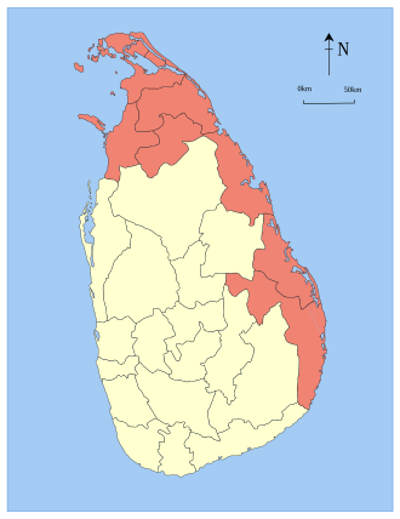
Sri Lankan Civil War: The Indian Peace Keeping Force began Operation Pawan to take control of Jaffna from the Tamil Tigers and enforce their disarmament as a part of the Indo-Sri Lanka Accord.
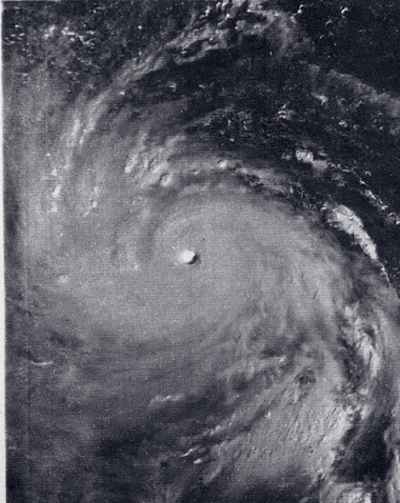
Typhoon Nora, the fourth-most intense tropical cyclone on record, dissipated after killing 40 people and leaving more than a million homeless across Taiwan and the Philippines.
World War II: At the Battle of Cape Esperance on the northwest coast of Guadalcanal, American ships intercepted and defeated a Japanese fleet sent to attack Henderson Field.
The University of Sydney (pictured), Australia's oldest university, was inaugurated two years after being established by the University of Sydney Act.
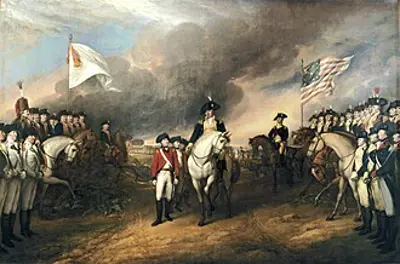
American Revolutionary War: A British fleet defeated American ships at the Battle of Valcour Island on Lake Champlain, but gave American forces enough time to prepare their defenses for the Saratoga c�
The Provisional Irish Republican Army detonated a bomb at the Grand Hotel in Brighton, England, in a failed attempt to assassinate British prime minister Margaret Thatcher and her cabinet.

Japan Socialist Party leader Inejirō Asanuma (pictured) was assassinated during a live television recording by a far-right ultra-nationalist using a short sword.
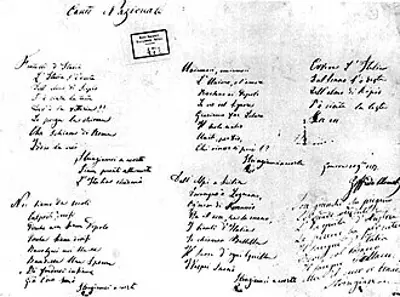
Il Canto degli Italiani is adopted as national anthem by the newly formed Italian Republic.
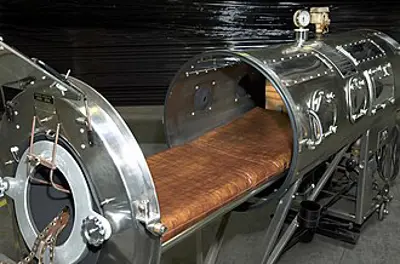
The iron lung (example pictured), a type of medical ventilator, was used for the first time at the Boston Children's Hospital to treat an eight-year-old girl paralyzed by polio.