The Russian inventor Igor Sikorsky flew the self-designed Russky Vityaz, the world's first four-engine fixed-wing aircra
The Russian inventor Igor Sikorsky flew the self-designed Russky Vityaz, the world's first four-engine fixed-wing aircraft.
3646 results for “A. W. Mailvaganam” — type: selected (1946 ms)
The Russian inventor Igor Sikorsky flew the self-designed Russky Vityaz, the world's first four-engine fixed-wing aircraft.
Second World War: Australian Hospital Ship Centaur was attacked and sunk by a Japanese submarine off the coast of Queensland, killing 268 people aboard.
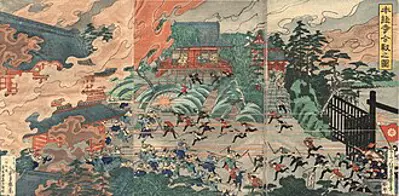
Boshin War: Troops of the Tokugawa shogunate withdrew from the Battle of Utsunomiya Castle and retreated north towards Nikkō and Aizu.
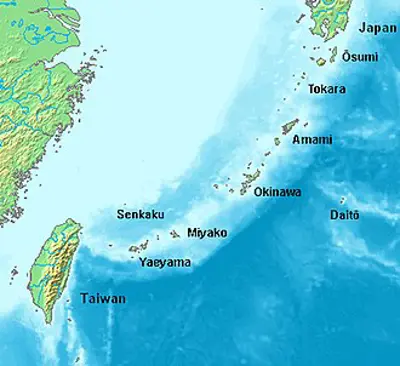
The Ryukyu Islands were returned to Japan by the United States, and the U.S. occupation government was abolished.
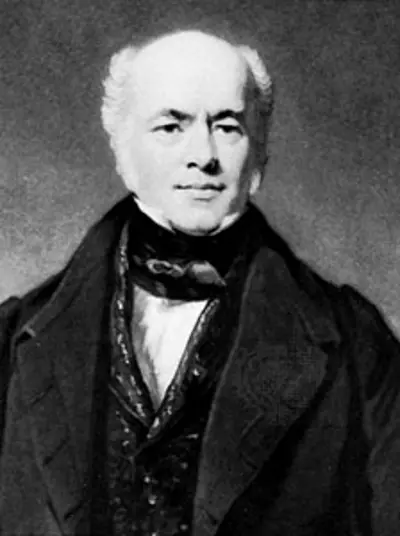
English astronomer Francis Baily observed Baily's beads (example pictured), a phenomenon during a solar eclipse in which the rugged topography of the lunar limb allows sunlight to shine through.
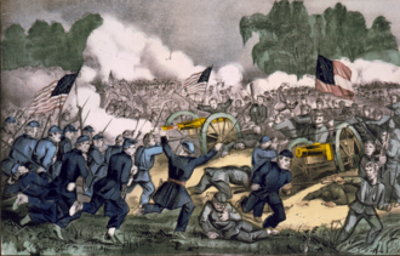
American Civil War: General Ulysses S. Grant led his Army of the Tennessee across the Big Black River in preparation for the Siege of Vicksburg.
The United States Congress passed the largest tariff in the nation's history, which resulted in severe economic hardship in the American South.
Representatives from seventeen countries signed the Metre Convention, which set up an institute for the purpose of coordinating international metrology and for coordinating the development of the met�
"One for the Road", the series finale of American television sitcom Cheers, was watched by 42.4 million American households on its original airing.
A team of researchers led by French virologist Luc Montagnier published their discovery of HIV, but were not then certain that it caused AIDS.
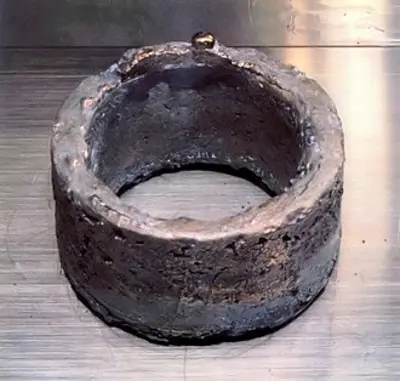
While working with a mass of plutonium known as the demon core, Manhattan Project physicist Louis Slotin accidentally exposed himself to a lethal dose of hard radiation, making him the second victim �
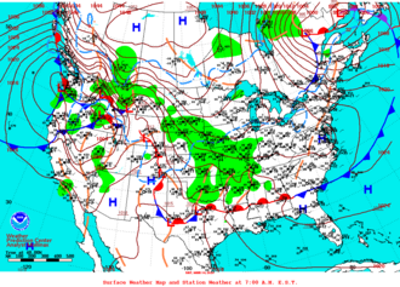
A stationary front began over the central Caribbean Sea, leading to severe floods that over two weeks killed dozens of people in Cuba, the Dominican Republic, Haiti and Jamaica.
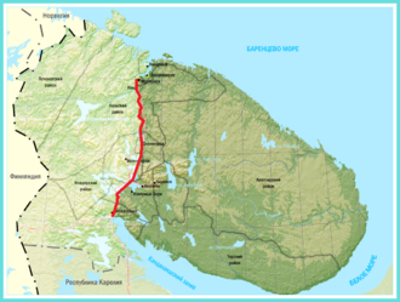
On the Kola Peninsula in Russia, drilling began on the Kola Superdeep Borehole, which eventually reached a depth of 12,262 metres (40,230 ft), making it the deepest borehole ever drilled and the lowe�
Arab–Israeli War: After five days of fighting, Egyptian forces captured the Israeli community of Yad Mordechai after the defenders had abandoned it.
English friar William of Ockham, who popularised the methodological principle known as Occam's razor, secretly left Avignon under threat from Pope John XXII.
War of 1812: The troops of the U.S. Army and vessels of the U.S. Navy cooperated in a successful amphibious assault to capture Fort George in Upper Canada.
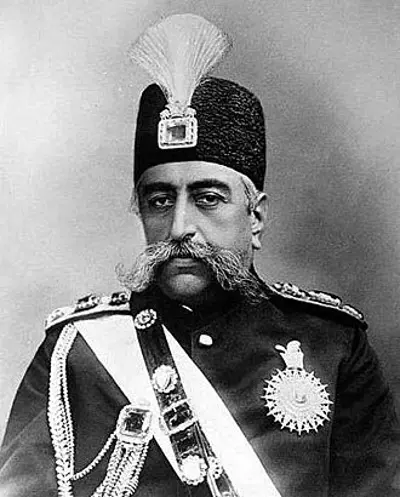
Mozaffar ad-Din (pictured), Shah of Persia, granted exclusive rights to prospect for oil in the country to William Knox D'Arcy.
Charlotte Perrelli, representing Sweden, won the Eurovision Song Contest, the first edition not to feature an orchestra or live accompaniment.
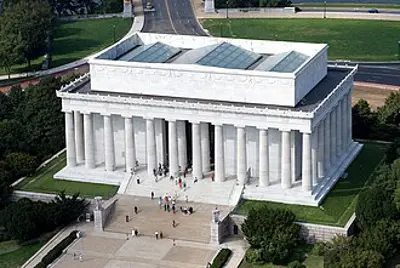
The Lincoln Memorial in Washington, D.C., featuring a sculpture of the sixteenth U.S. president Abraham Lincoln by Daniel Chester French, opened.
Mozaffar ad-Din, Shah of Persia, granted exclusive rights to prospect for oil in the country to businessman William Knox D'Arcy (pictured).