
1922
In Washington D
In Washington D.C., U.S. Secretary of State Charles Evans Hughes and Dominican Ambassador Francisco J. Peynado sign the Hughes–Peynado agreement, which ends the United States occupation of the Dominic�
1240 results for “Daniel Charles” (143 ms)
In Washington D.C., U.S. Secretary of State Charles Evans Hughes and Dominican Ambassador Francisco J. Peynado sign the Hughes–Peynado agreement, which ends the United States occupation of the Dominic�

�f British colonial rule. The handover ceremony is attended by British Prime Minister Tony Blair, Charles, Prince of Wales, Chinese President Jiang Zemin and U.S. Secretary of State Madeleine Albright.
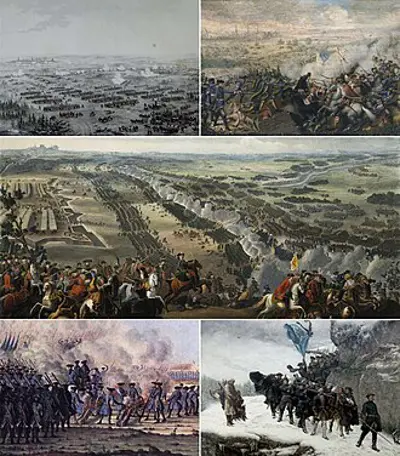
�ish-Saxon army of Augustus II the Strong, operating from an advantageous defensive position, is defeated by a Swedish army half its size under the command of King Charles XII in the Battle of Klissow.

�f Cape Finisterre: An inconclusive naval action is fought between a combined French and Spanish fleet under Admiral Pierre-Charles Villeneuve of France and a British fleet under Admiral Robert Calder.
The first commercial use of an electrical telegraph is successfully demonstrated in London by William Cooke and Charles Wheatstone.

War of the Spanish Succession: Gibraltar is captured by an English and Dutch fleet, commanded by Admiral Sir George Rooke and allied with Archduke Charles.
War of the Spanish Succession: A combined Anglo-Dutch fleet under the command of George Rooke and allied with Archduke Charles captured Gibraltar from Spain.
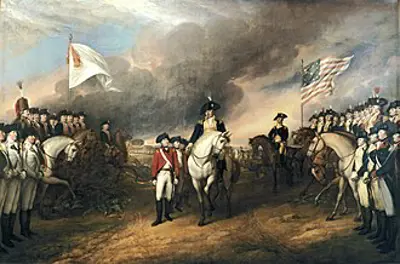
�erican Revolutionary War: Battle of Blue Licks: The last major engagement of the war, almost ten months after the surrender of the British commander Charles Cornwallis following the Siege of Yorktown.
�rance following the death of his father Louis IX, during the Eighth Crusade. His uncle, Charles I of Naples, is forced to begin peace negotiations with Muhammad I al-Mustansir, Hafsid Sultan of Tunis.
Stono Rebellion, the largest slave uprising in Britain's mainland North American colonies prior to the American Revolution, erupts near Charleston, South Carolina.
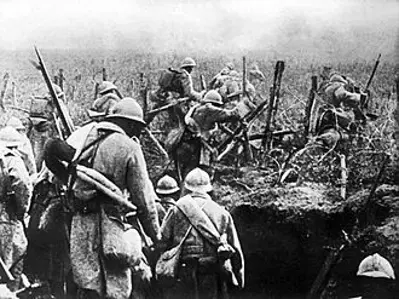
World War I: During the East African Campaign, colonial forces of the Belgian Congo (Force Publique) under the command of Charles Tombeur capture the town of Tabora after heavy fighting.
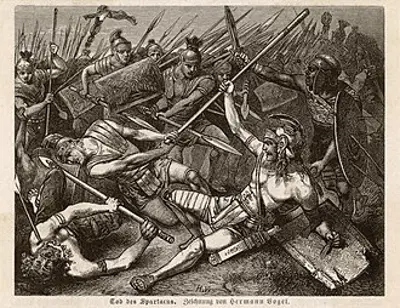
The Stono Rebellion, at the time the largest slave rebellion in the Thirteen Colonies of British America, erupted near Charleston, South Carolina.
A British government army led by Sir John Cope is defeated in less than 15 minutes by the Jacobite forces of Prince Charles Edward Stuart.
The Battle of Rowton Heath in England occurs, ending in a Parliamentarian victory over a Royalist army commanded in person by King Charles I.
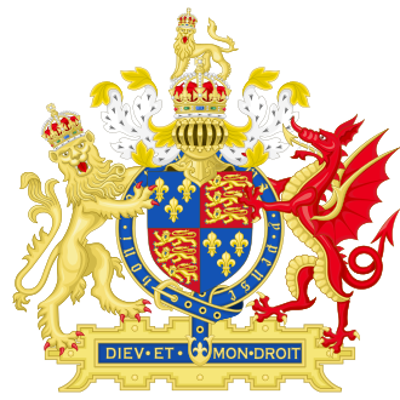
�ngland accepts the Solemn League and Covenant, which promises religious reforms in England and Ireland in exchange for support of Scottish troops against king Charles I in the First English Civil War.
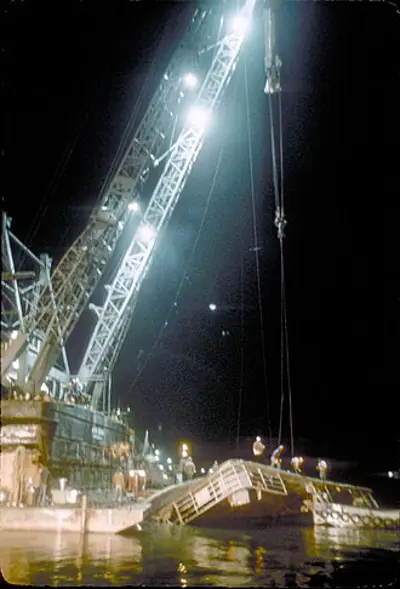
�s struck by the Norwegian freighter SS Frosta while crossing the Mississippi River in St. Charles Parish, Louisiana. Seventy-eight passengers and crew die, and only 18 people aboard the ferry survive.
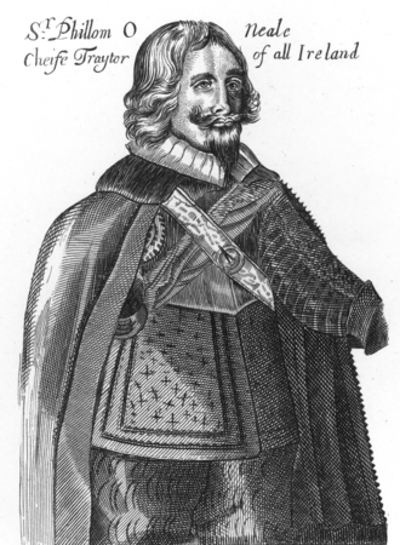
Felim O'Neill of Kinard, the leader of the Irish Rebellion, issues his Proclamation of Dungannon, justifying the uprising and declaring continued loyalty to King Charles I of England.
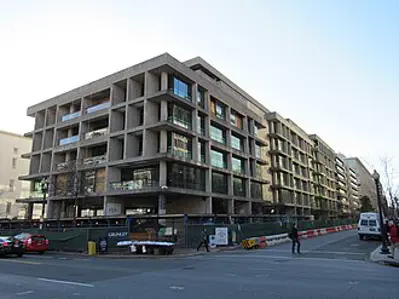
Savings and loan crisis: The United States Senate Ethics Committee issues a stern censure of California senator Alan Cranston for his "dealings" with savings-and-loan executive Charles Keating.
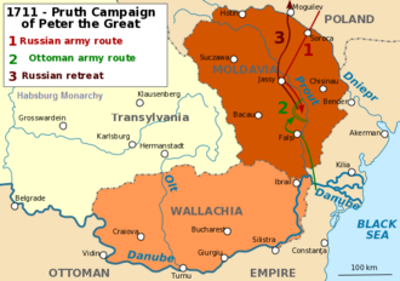
Begin of the Russo-Turkish War of 1710–1713, after tensions between the two states escalate as the Ottomans provide shelter to King Charles XII of Sweden in their fortress of Bender.
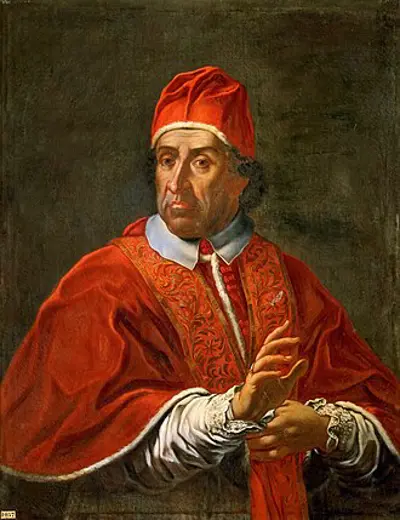
A papal conclave, which had been deadlocked due to concerns over how a successor would respond to the impending death of Charles II of Spain, ended with the election of Clement XI.