The peerage and clergy of the Kingdom of England published the Ordinances of 1311 to restrict King Edward II's powers.
2083 results for “Arthur R. von Hippel” — type: selected (704 ms)
The peerage and clergy of the Kingdom of England published the Ordinances of 1311 to restrict King Edward II's powers.
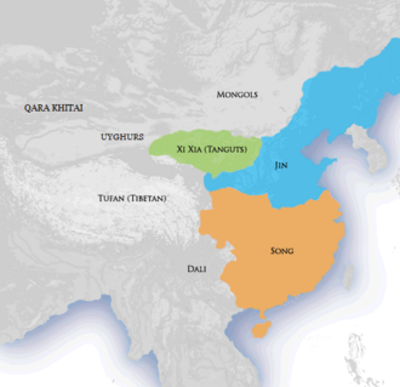
The Treaty of Shaoxing was ratified, ending the Jin–Song wars, although sporadic fighting continued until 1234.
The Provisional Irish Republican Army detonated a bomb at the Grand Hotel in Brighton, England, in a failed attempt to assassinate British prime minister Margaret Thatcher and her cabinet.
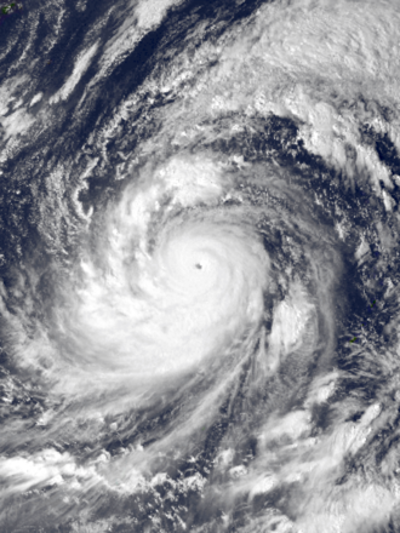
Typhoon Tip, the largest and most intense tropical cyclone ever recorded, reached a worldwide record-low sea-level pressure of 870 mbar (25.69 inHg) in the western Pacific Ocean.
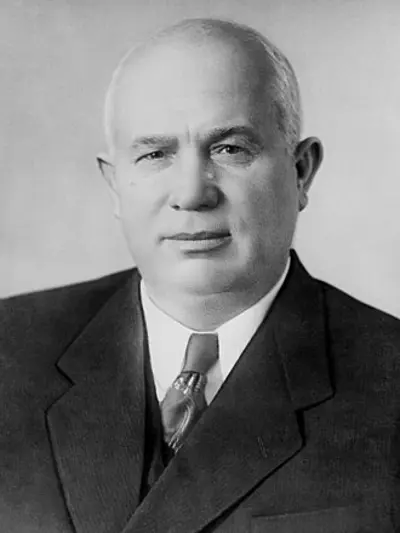
Soviet leader Nikita Khrushchev reportedly pounded his shoe on a desk during a meeting of the United Nations General Assembly in protest at a speech by Philippine delegate Lorenzo Sumulong.
Japan Socialist Party leader Inejirō Asanuma (pictured) was assassinated during a live television recording by a far-right ultra-nationalist using a short sword.
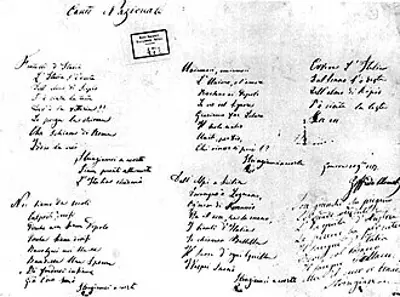
Il Canto degli Italiani is adopted as national anthem by the newly formed Italian Republic.
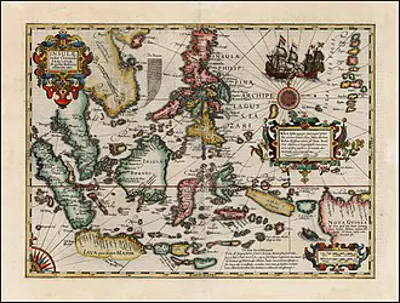
Believing he had reached the East Indies, Christopher Columbus made landfall on an island in the Caribbean, sparking a series of events that led to the European colonization of the Americas.
The King of Thailand, Bhumibol Adulyadej, died after 70 years on the throne, at which point was the longest-reigning current monarch.
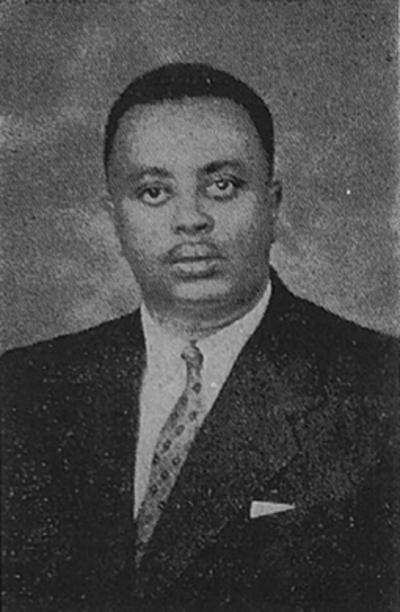
Newly elected Burundian prime minister Louis Rwagasore was assassinated by his political rivals.
The Soviet republics of Russia, Armenia, Azerbaijan, and Georgia signed the Treaty of Kars with the Grand National Assembly of Turkey, establishing the current borders between Turkey and the Caucasia�
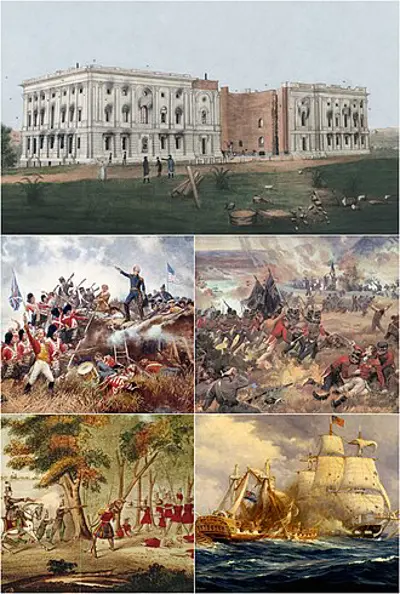
War of 1812: After three days of fighting, the beached U.S. Revenue Cutter Service vessel Eagle was captured by the Royal Navy.
War of 1812: British troops and Mohawk warriors repelled an American invasion from across the Niagara River at the Battle of Queenston Heights near Queenston, Ontario.
Queen Anne's War: French and Wabanaki forces surrendered to end the Siege of Port Royal, giving the British permanent possession of Nova Scotia.
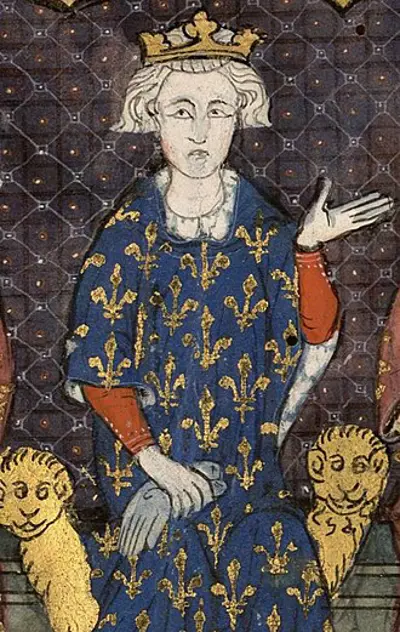
Agents of King Philip IV of France launched a raid on the Knights Templar at dawn, arresting many members, subsequently torturing them into giving false confessions and burning them at the stake.
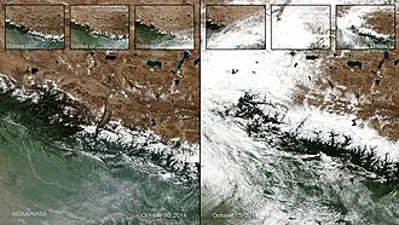
A snowstorm and series of avalanches occurred on and around the Himalayan peaks of Annapurna and Dhaulagiri, resulting in the deaths of at least 43 people.
Members of the Politburo voted to remove Nikita Khrushchev as First Secretary of the Communist Party of the Soviet Union and replace him with Leonid Brezhnev.
After three days of heavy rain, the Turia overflowed and flooded the city of Valencia, Spain, causing at least 81 deaths.
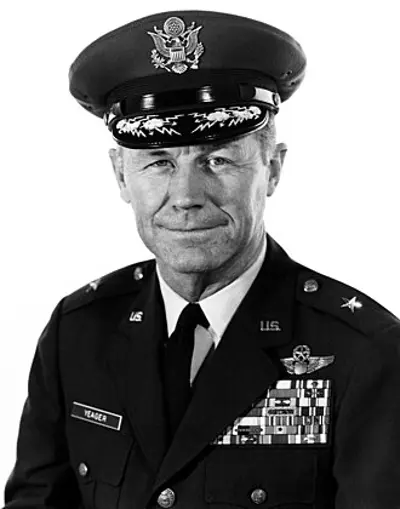
American test pilot Chuck Yeager became the first person to break the sound barrier, reaching Mach 1.06 on board the Bell X-1, an experimental rocket-powered aircraft.
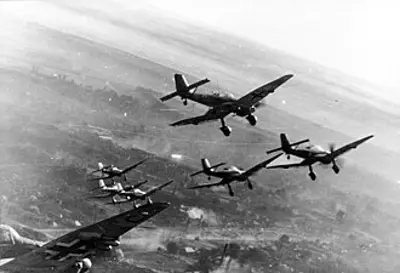
World War II: During the second raid on Schweinfurt, the U.S. 8th Air Force suffered so many losses that it lost air supremacy over Germany for several months.