1846
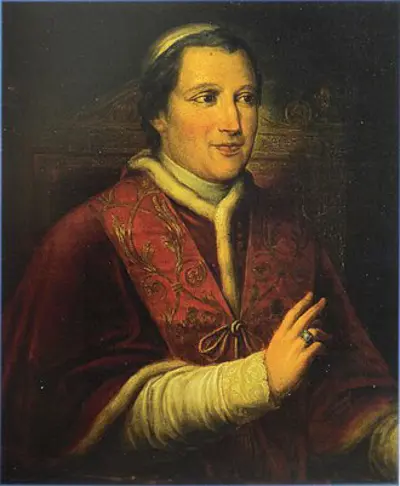
The Papal conclave of 1846 elects Pope Pius IX, beginning the longest reign in the history of the papacy
The Papal conclave of 1846 elects Pope Pius IX, beginning the longest reign in the history of the papacy.
5305 results for “Charles E. Osgood” — type: events (1026 ms)
The Papal conclave of 1846 elects Pope Pius IX, beginning the longest reign in the history of the papacy.
A major earthquake strikes the Kutch district of western India, killing over 1,543 people and raising a 6-metre-high (20 ft), 6-kilometre-wide (3.7 mi), ridge, extending for at least 80 kilometres (5�
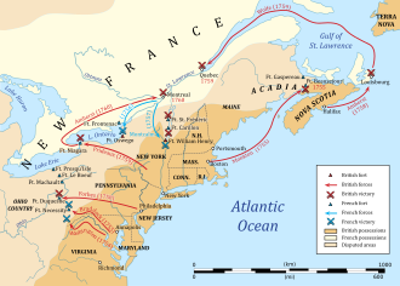
French and Indian War: The French surrender Fort Beauséjour to the British, leading to the expulsion of the Acadians.
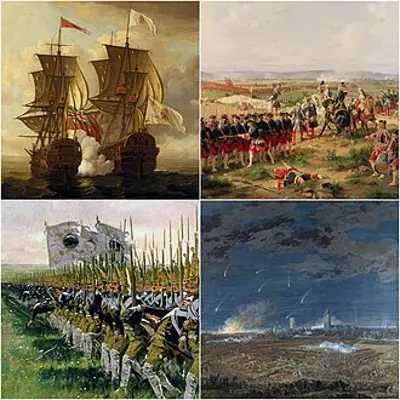
War of the Austrian Succession: New England colonial troops under the command of William Pepperrell capture the Fortress of Louisbourg in Louisbourg, New France (Old Style date).
Battle of Stoke Field: King Henry VII of England defeats the leaders of a Yorkist rebellion in the final engagement of the Wars of the Roses.
Yazdegerd III ascends the throne as king (shah) of the Persian Empire. He becomes the last ruler of the Sasanian dynasty (modern Iran).

With the death of the last individual of the species, the dusky seaside sparrow becomes extinct.

A day after South Vietnamese president Ngô Đình Diệm announced the Joint Communiqué to end the Buddhist crisis, a riot involving around 2,000 people breaks out. One person is killed.
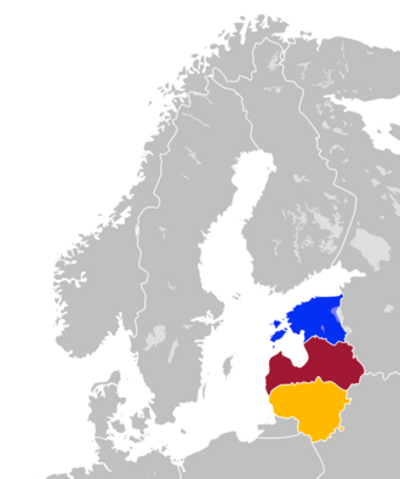
The three Baltic states of Estonia, Latvia and Lithuania fall under the occupation of the Soviet Union.
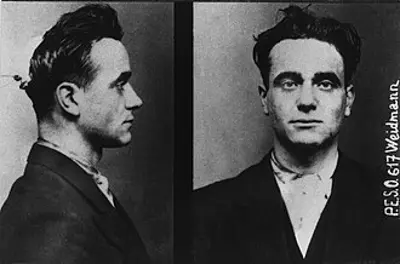
Last public guillotining in France: Eugen Weidmann, a convicted murderer, is executed in Versailles outside the Saint-Pierre prison.
The United States Navy Hospital Corps is established.
In the Kingdom of Hawaii, Kamehameha III issues the edict of toleration which gives Roman Catholics the freedom to worship in the Hawaiian Islands. The Hawaii Catholic Church and the Cathedral of Our�
The burghers of Swellendam expel the Dutch East India Company magistrate and declare a republic.

In France, the Third Estate declares itself the National Assembly.
Samuel Wallis, a British sea captain, sights Tahiti and is considered the first European to reach the island.
French explorers Jacques Marquette and Louis Jolliet reach the Mississippi River and become the first Europeans to make a detailed account of its course.
The Dutch explorer Willem Barentsz discovers the Arctic archipelago of Spitsbergen.
Sir Francis Drake claims a land he calls Nova Albion (modern California) for England.
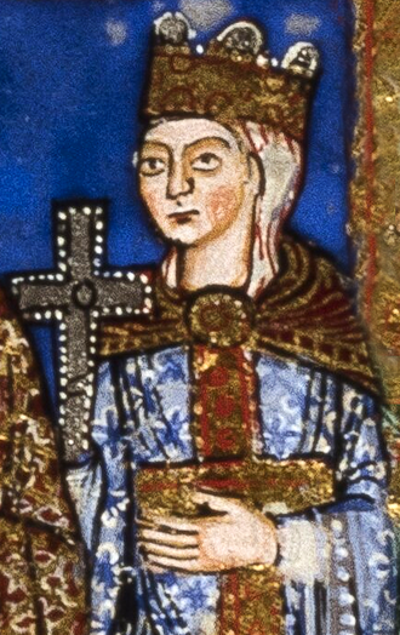
Former Empress Matilda, daughter and designated heiress of king Henry I of England, marries Geoffrey Plantagenet, Count of Anjou.

After a prolonged siege by rebels who demand his abdication, caliph Uthman is assassinated as the rebels enter his palace.