1888
With the passage of the Lei Áurea ("Golden Law"), the Empire of Brazil abolishes slavery
With the passage of the Lei Áurea ("Golden Law"), the Empire of Brazil abolishes slavery.
262 results for “Bernard Francis Law” — type: events (223 ms)
With the passage of the Lei Áurea ("Golden Law"), the Empire of Brazil abolishes slavery.

World War II: In the United States, a bill creating the Women's Army Auxiliary Corps (WAAC) is signed into law.
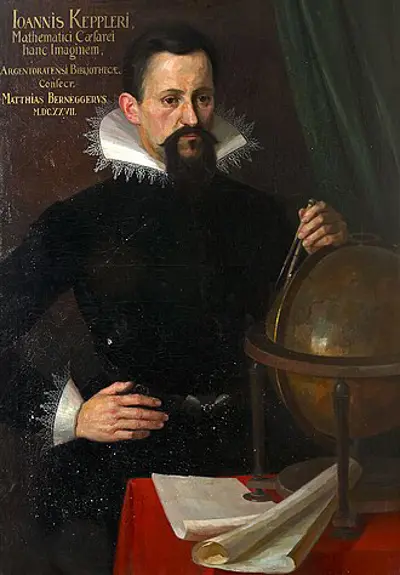
�ohannes Kepler confirms his previously rejected discovery of the third law of planetary motion (he first discovered it on March 8 but soon rejected the idea after some initial calculations were made).

General Chun Doo-hwan of South Korea seizes control of the government and declares martial law in order to suppress student demonstrations.
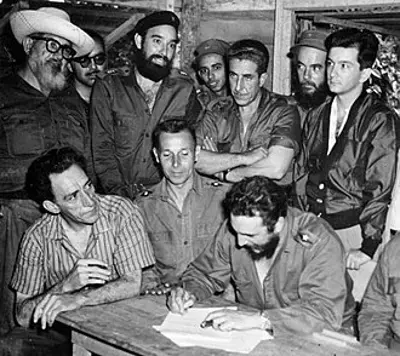
In Cuba, the First Agrarian Reform Law – a cornerstone of the Cuban Revolution – was signed by Fidel Castro, aiming to eliminate large foreign-owned estates and redistribute land to over 100,000 peas�

Slavery in Rhode Island is abolished, although the law is not rigorously enforced.

The Firearm Owners Protection Act is signed into law by U.S. President Ronald Reagan.

The Chinese authorities declare martial law in the face of pro-democracy demonstrations, setting the scene for the Tiananmen Square massacre.
By the Law of 20 May 1802, Napoleon Bonaparte reinstates slavery in the French colonies, revoking its abolition in the French Revolution.

French Taubira law is enacted, officially recognizing the Atlantic slave trade and slavery as crimes against humanity.
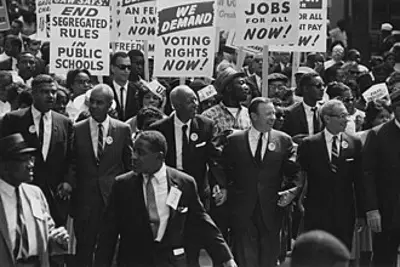
American civil rights movement: Alabama Governor John Malcolm Patterson declares martial law in an attempt to restore order after race riots break out.
Lawrence, Kansas is captured and burned by pro-slavery forces.

Philippine President Rodrigo Duterte declares martial law in Mindanao, following the Maute's attack in Marawi.
Cold War: The Western occupying powers approve the Basic Law and establish a new German state, the Federal Republic of Germany.
Australians vote in favor of a constitutional referendum granting the Australian government the power to make laws to benefit Indigenous Australians and to count them in the national census.
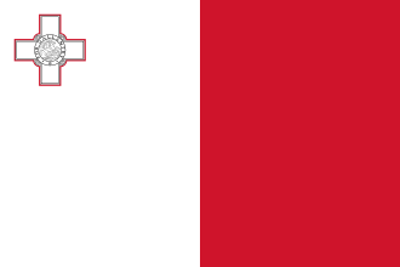
Malta votes on the introduction of divorce; the proposal was approved by 53% of voters, resulting in a law allowing divorce under certain conditions being enacted later in the year.
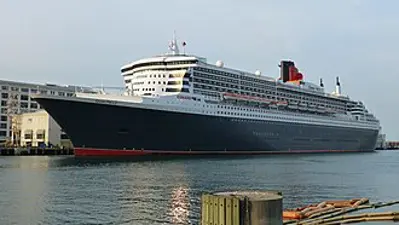
The Ocean liner RMS Empress of Ireland sinks in the Gulf of Saint Lawrence with the loss of 1,012 lives.

The Kansas–Nebraska Act becomes law establishing the U.S. territories of Kansas and Nebraska.
Minister of Justice Joaquim António de Aguiar issues a law seizing "all convents, monasteries, colleges, hospices and any other houses" from the Catholic religious orders in Portugal, earning him the�