
1652
Slavery in Rhode Island is abolished, although the law is not rigorously enforced
Slavery in Rhode Island is abolished, although the law is not rigorously enforced.
9336 results for “Samuel A. Davenport” — type: events (2028 ms)
Slavery in Rhode Island is abolished, although the law is not rigorously enforced.
In Dorchester, Massachusetts, John Winthrop takes the oath of office and becomes the first Governor of Massachusetts.
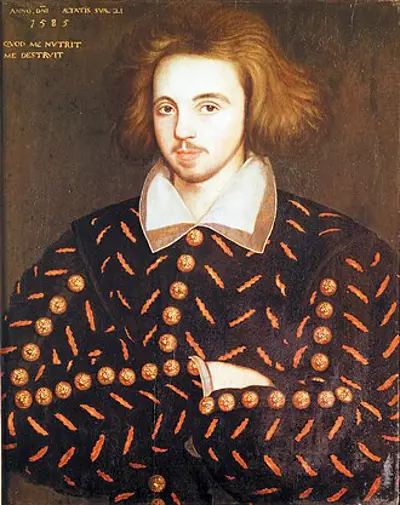
Playwright Thomas Kyd's accusations of heresy lead to an arrest warrant for Christopher Marlowe.
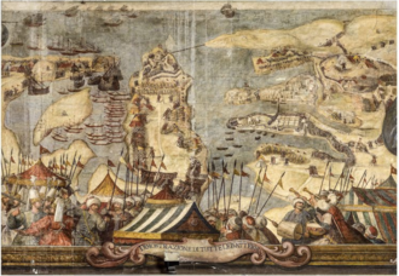
The Great Siege of Malta begins, in which Ottoman forces attempt and fail to conquer Malta.
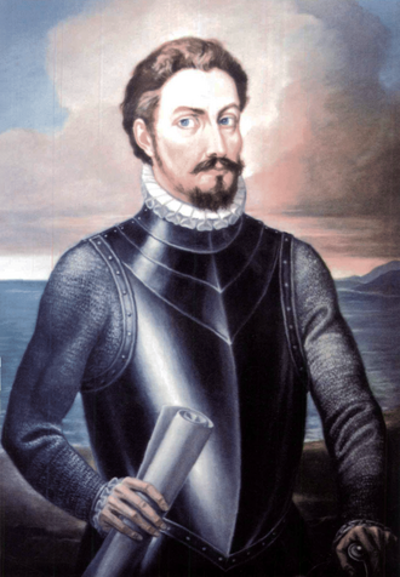
Alonso de Ojeda sets sail from Cádiz on his voyage to what is now Venezuela.
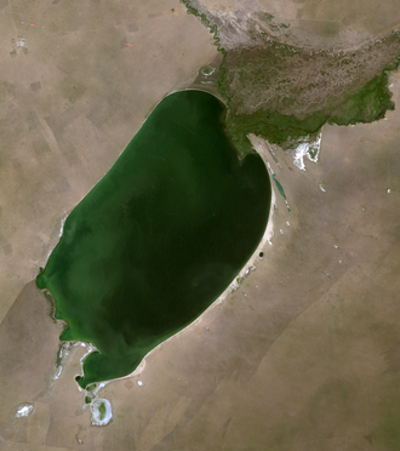
During the Battle of Buyur Lake, General Lan Yu leads a Ming army forward to crush the Mongol hordes of Tögüs Temür, the Khan of Northern Yuan.
Fall of Acre, the end of Crusader presence in the Holy Land.
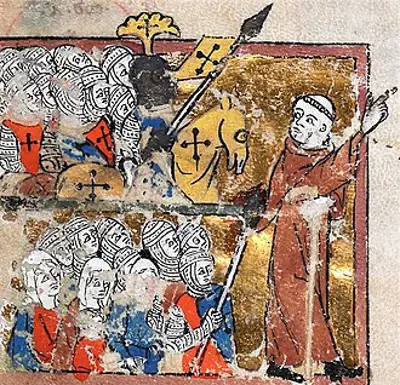
First Crusade: Around 800 Jews are massacred in Worms, Germany.
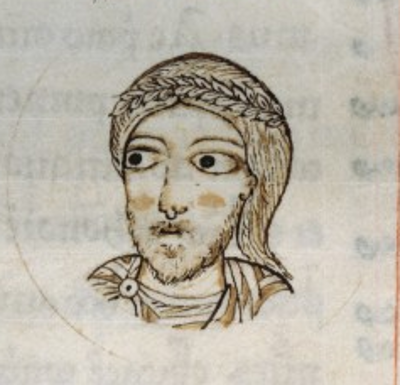
Louis II of Italy is crowned for the second time as Holy Roman Emperor at Rome, at the age of 47. His first coronation was 28 years earlier, in 844, during the reign of his father Lothair I.
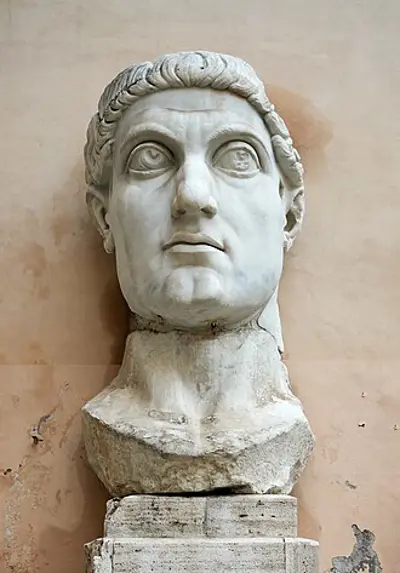
Emperor Constantine the Great announces free distributions of food to the citizens in Constantinople.

A devastating EF4 tornado kills nineteen people in Southeast Kentucky, hitting the towns of Somerset and London.
Twelve people are killed in two explosions in the Gikomba market area of Nairobi, Kenya.

STS-134 (ISS assembly flight ULF6), launched from the Kennedy Space Center on the 25th and final flight for Space Shuttle Endeavour.

Kuwait permits women's suffrage in a 35–23 National Assembly vote.

In Morocco, 33 civilians are killed and more than 100 people are injured in the Casablanca terrorist attacks.

An Antonov An-24 crashes into a kindergarten building in Svetlogorsk, killing 35.

In Hollywood, the first Academy Awards ceremony takes place.
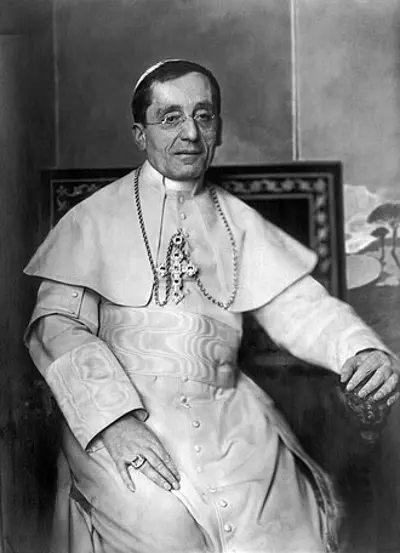
In Rome, Pope Benedict XV canonizes Joan of Arc.
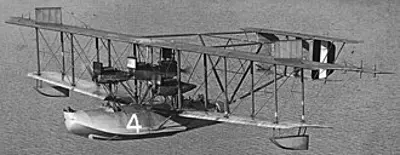
A naval Curtiss NC-4 aircraft commanded by Albert Cushing Read leaves Trepassey, Newfoundland, for Lisbon via the Azores on the first transatlantic flight.

The Sedition Act of 1918 is passed by the U.S. Congress, making criticism of the government during wartime an imprisonable offense. It will be repealed less than two years later.