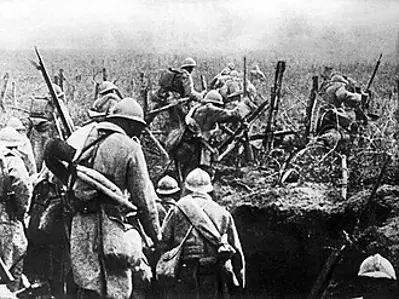
World War I: The Royal Navy dreadnought HMS Audacious was sunk by a mine, but its loss was kept secret for four years.
18101 results for “Richard I of Normandy” (1411 ms)
World War I: The Royal Navy dreadnought HMS Audacious was sunk by a mine, but its loss was kept secret for four years.
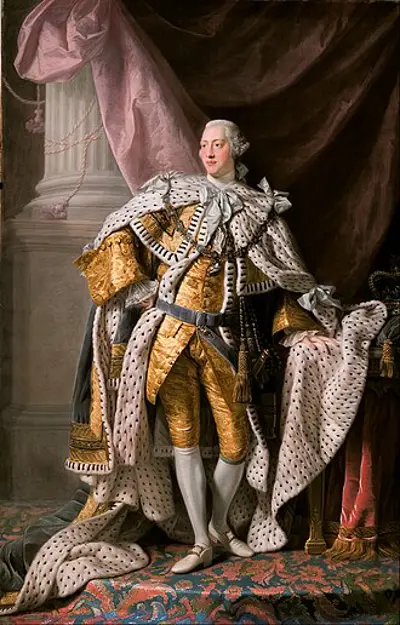
King George III expanded on his Proclamation of Rebellion in the Thirteen Colonies in his speech from the throne at the opening of Parliament.
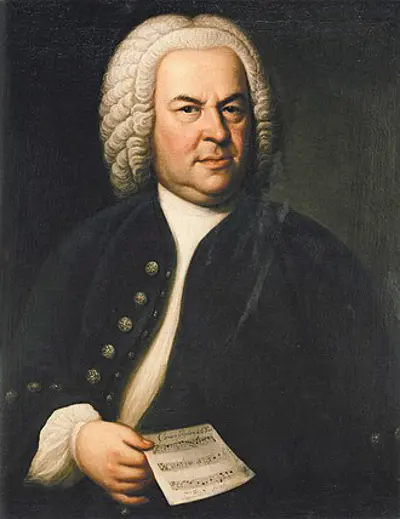
J. S. Bach led the first performance of Ich will den Kreuzstab gerne tragen, BWV 56, one of few works he called a cantata.
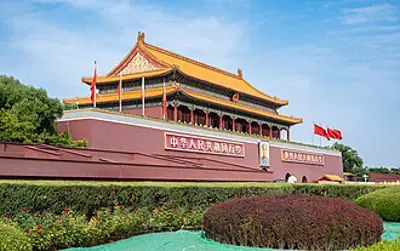
Five people are killed and 38 are injured after a car crashes into barriers at Tiananmen Square in China.
NASA successfully launches the Ares I-X mission, the only rocket launch for its short-lived Constellation program.
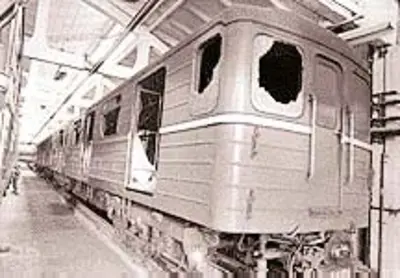
The Baku Metro fire sees 289 people killed and 270 injured.
Georgia holds its only free election under Soviet rule.
Aloha Island Air Flight 1712, a Twin Otter 300, crashed into terrain at night in Hawaii killing all 20 occupants onboard.
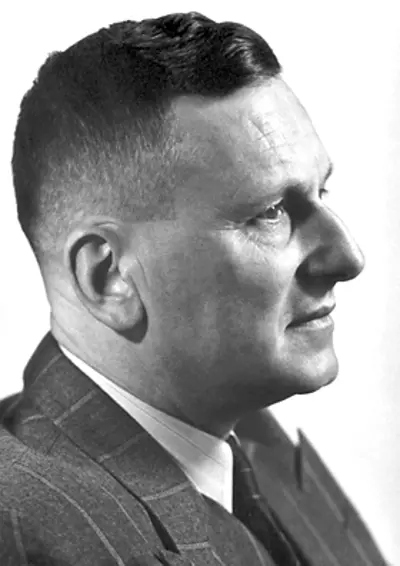
Paul Hermann Müller is awarded the Nobel Prize in Physiology or Medicine for his discovery of the insecticidal properties of DDT.
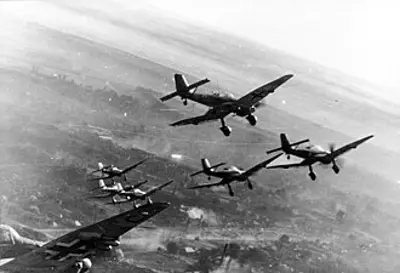
World War II: Greece rejects Italy's ultimatum. Italy invades Greece through Albania a few hours later.
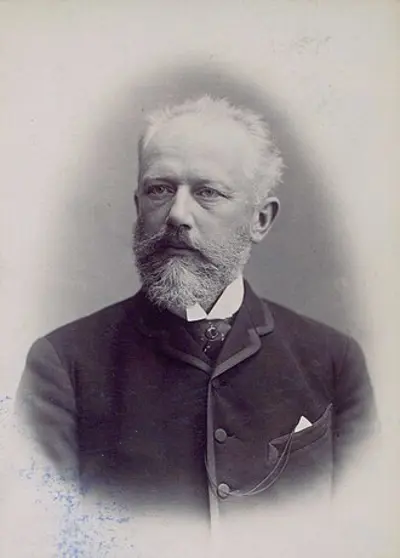
Pyotr Tchaikovsky's Symphony No. 6 in B Minor, Pathétique receives its première performance only nine days before the composer's death.
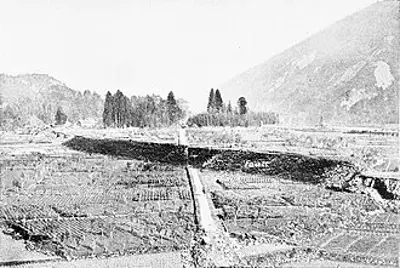
The Mino–Owari earthquake, the largest inland earthquake in Japan's history, occurs.
The United Tribes of New Zealand are established with the signature of the Declaration of Independence.
The 1746 Lima–Callao earthquake causes up to 6,000 deaths in Peru, the deadliest in its history up to that point.
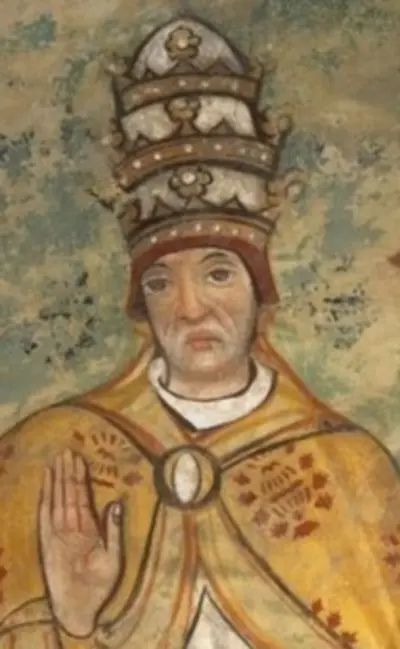
Pietro Cadalo is appointed by the German Imperial court as antipope to the pope Alexander II, who was elected in the previous month.