
1980
Eight U
Eight U.S. servicemen died in Operation Eagle Claw, a failed attempt to rescue the captives in the Iran hostage crisis.
1880 results for “Charles E. Osgood” — type: selected (743 ms)
Eight U.S. servicemen died in Operation Eagle Claw, a failed attempt to rescue the captives in the Iran hostage crisis.
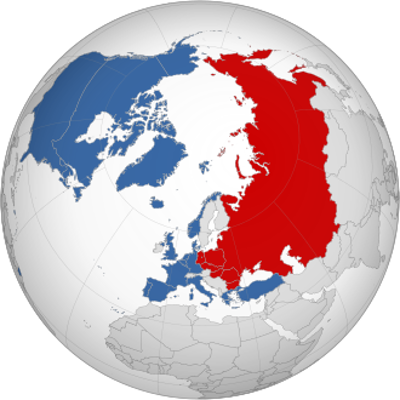
Cold War: The Dominican Civil War broke out due to tensions following a military coup against the democratically elected government of President Juan Bosch two years earlier.

An estimated 400 ramblers committed a wilful mass trespass of Kinder Scout (pictured) in the Peak District to highlight the denial of access to areas of open country in England.

The first portion of the Imperial Wireless Chain, a strategic international wireless telegraphy communications network created to link the countries of the British Empire, opened.
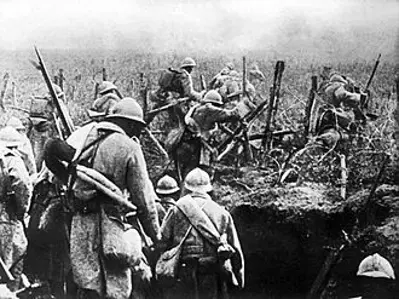
First World War: The Second Battle of Villers-Bretonneux began, which contained the first instance of tanks fighting against each other.

Nepal was struck by a magnitude-7.8 earthquake, killing more than 8,000 people.

Violeta Chamorro took office as President of Nicaragua, becoming the first female head of state in the Americas to have been elected in her own right.

At the San Remo conference, the principal Allies of World War I passed a resolution allocating League of Nations mandates for the administration of former Ottoman territories in the Middle East.
�War: The Australian and New Zealand Army Corps landed at Anzac Cove while British and French troops landed at Cape Helles to begin the Allied invasion of the Gallipoli peninsula in the Ottoman Empire.

Pope Leo III was attacked by partisans of his predecessor Adrian I, but was rescued and taken to Charlemagne, as described in the epic Karolus magnus et Leo papa.
Controversy surrounding the relocation of the Bronze Soldier of Tallinn, a Soviet Red Army World War II memorial in Tallinn, Estonia, erupted into mass protests and riots.

�ear Power Plant (pictured) near Chernobyl, Ukrainian SSR, suffered a steam explosion, resulting in a fire, a nuclear meltdown, and the evacuation and resettlement of over 336,000 people around Europe.
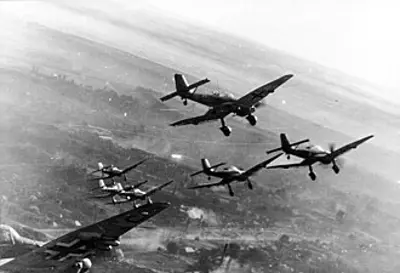
World War II: U.S. Navy submarines began attacks on Japan's Take Ichi convoy as it sailed in waters between Taiwan and the Philippines, eventually sinking four vessels and killing more than 4,000 tro�
U.S. Army soldiers cornered and fatally shot John Wilkes Booth, the assassin of U.S. president Abraham Lincoln, ending a twelve-day manhunt.
World War II: The photograph Raising the Flag on the Three-Country Cairn (pictured) was taken after German troops withdrew to Norway at the end of the Lapland War.
Ludwig van Beethoven composed his Bagatelle No. 25 in A minor, better known as "Für Elise" (audio featured), one of his most popular compositions.
First Barbary War: U.S. Marines engaged forces of the Barbary Coast at the Battle of Derna in Tripoli, marking the first recorded land battle by the United States on foreign soil.
Aloha Airlines Flight 243 experienced explosive decompression while airborne between Hilo and Honolulu, Hawaii, with one fatality as a flight attendant was ejected from the aircraft.
Japan and the Republic of China signed the Treaty of Taipei, officially ending the Second Sino-Japanese War seven years after fighting ended due to World War II.
The FA Cup final (crowd and police pictured) between Bolton Wanderers and West Ham United was held on the opening day of the Empire Stadium in London.