The Sedition Act of 1918 is passed by the U
The Sedition Act of 1918 is passed by the U.S. Congress, making criticism of the government during wartime an imprisonable offense. It will be repealed less than two years later.
1793 results for “Pierre Charles Le Monnier” — type: events (569 ms)
The Sedition Act of 1918 is passed by the U.S. Congress, making criticism of the government during wartime an imprisonable offense. It will be repealed less than two years later.
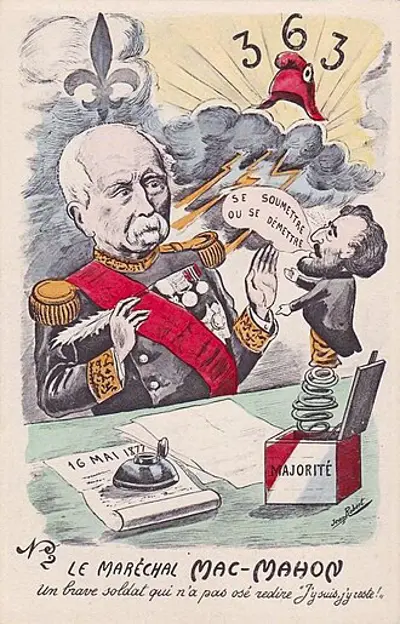
�retation of the Constitution of 1875 as a parliamentary rather than presidential system. The elections held in October 1877 led to the defeat of the royalists as a formal political movement in France.
The Royal Thai Armed Forces concludes its crackdown on protests by forcing the surrender of United Front for Democracy Against Dictatorship leaders.
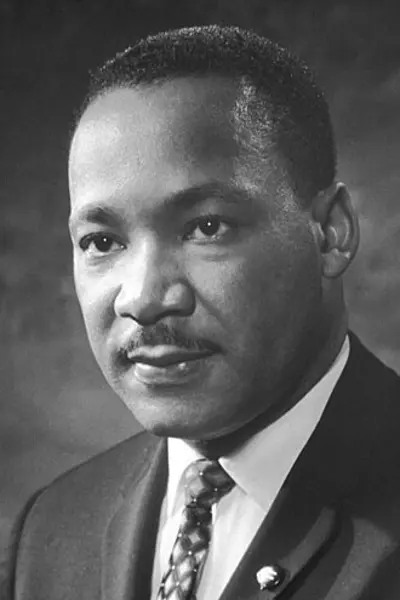
The New York Post Sunday Magazine publishes Martin Luther King Jr.'s Letter from Birmingham Jail.
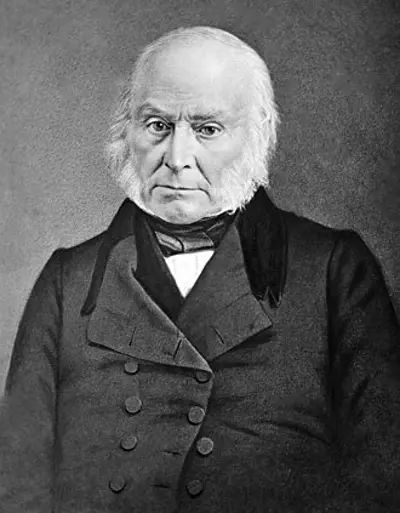
U.S. President John Quincy Adams signs the Tariff of 1828 into law, sparking outrage in the South and leading to the Nullification crisis.
Civil rights: The Supreme Court of the United States rules in Romer v. Evans against a law that would have prevented any city, town or county in the state of Colorado from taking any legislative, exec�
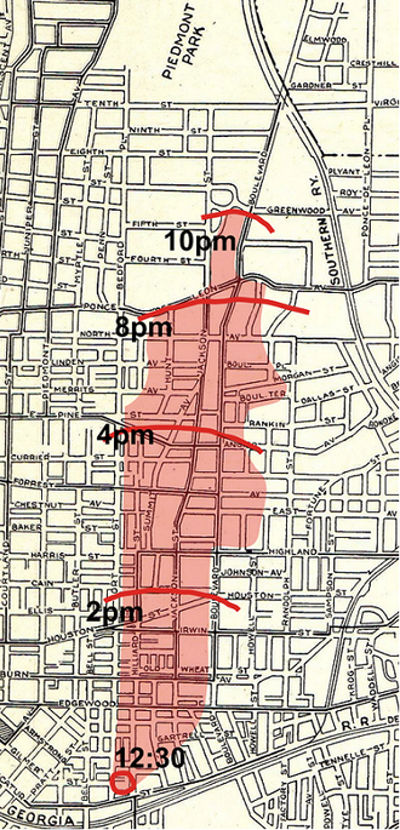
�of 1917 causes $5.5 million in damages, destroying some 300 acres including 2,000 homes, businesses and churches, displacing about 10,000 people but leading to only one fatality (due to heart attack).
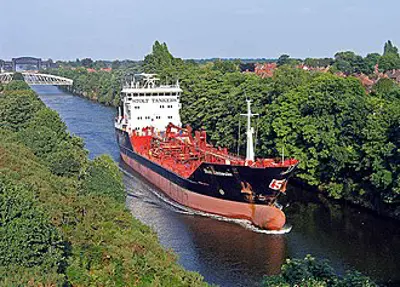
The Manchester Ship Canal in the United Kingdom is officially opened by Queen Victoria, who later knights its designer Sir Edward Leader Williams.
A U.S. federal judge rules that U.S. Secret Service agents can be compelled to testify before a grand jury concerning the Lewinsky scandal involving President Bill Clinton.
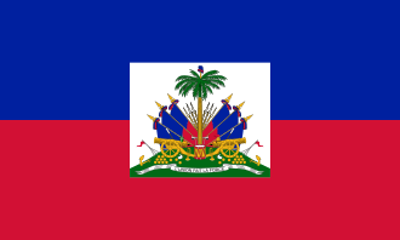
A worldwide trade embargo against Haiti goes into effect to punish its military rulers for not reinstating the country's ousted elected leader, Jean-Bertrand Aristide.
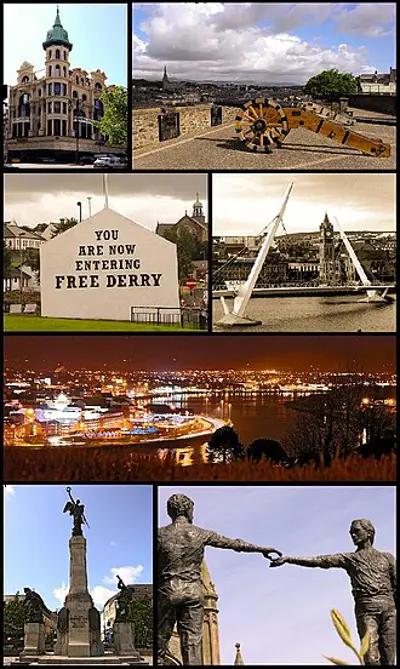
Over 400 women in Derry, Northern Ireland attack the offices of Sinn Féin following the shooting by the Irish Republican Army of a young British soldier on leave.
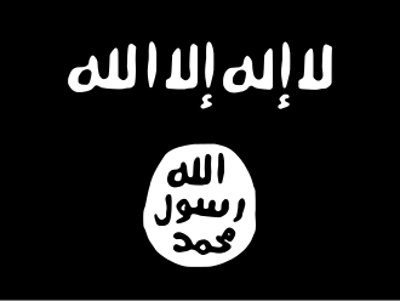
Eight bombings are carried out by the Islamic State of Iraq and Syria in Jableh and Tartus, coastline cities in Syria. One hundred eighty-four people are killed and at least 200 people injured.
�fia judge Giovanni Falcone, his wife and three body guards are killed by the Corleonesi clan with a half-ton bomb near Capaci, Sicily. His friend and colleague Paolo Borsellino will be assassinated le�
The General German Workers' Association, a precursor of the modern Social Democratic Party of Germany, is founded in Leipzig, Kingdom of Saxony.
Amy Johnson lands in Darwin, Northern Territory, becoming the first woman to fly solo from England to Australia (she left on May 5 for the 11,000 mile flight).
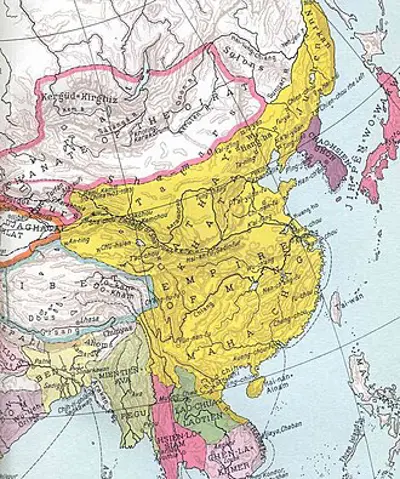
Ming general Wu Sangui forms an alliance with the invading Manchus and opens the gates of the Great Wall of China at Shanhaiguan pass, letting the Manchus through towards the capital Beijing.
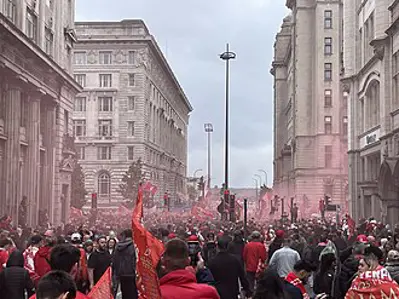
65 people are injured when a car rams into a crowd on Water Street, near Liverpool F.C.'s Premier League trophy parade.
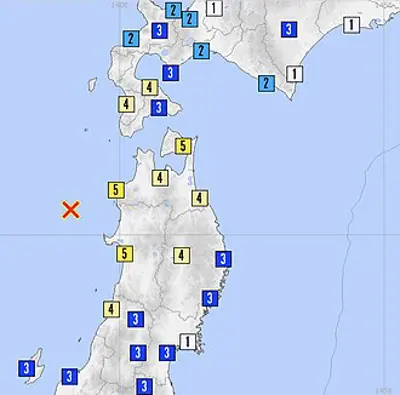
The 7.8 Mw Sea of Japan earthquake shakes northern Honshu with a maximum Mercalli intensity of VIII (Severe). A destructive tsunami is generated that leaves about 100 people dead.
The 6.4 Mw Yogyakarta earthquake shakes central Java with an MSK intensity of VIII (Damaging), leaving more than 5,700 dead and 37,000 injured.
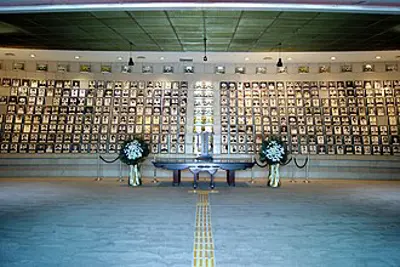
The Gwangju Massacre: Airborne and army troops of South Korea retake the city of Gwangju from civil militias, killing at least 207 and possibly many more.