Napoleonic Wars: Led by Napoleon, the French Grande Armée crossed the Neman, beginning their invasion of Russia
Napoleonic Wars: Led by Napoleon, the French Grande Armée crossed the Neman, beginning their invasion of Russia.
3563 results for “W. E. D. Ross” — type: selected (2887 ms)
Napoleonic Wars: Led by Napoleon, the French Grande Armée crossed the Neman, beginning their invasion of Russia.
Russian invasion of Ukraine: Russian forces captured the city of Sievierodonetsk, Ukraine, after six weeks of fighting.
The United States Congress passed the Mann Act, which prohibited the interstate transport of females for "immoral purposes".
Websites of Ukrainian organizations were swamped by a massive cyberattack, blamed on Russian military hackers, using the malware Petya.
The military phase of the Meiji Restoration in Japan was completed with an imperial victory in the Boshin War.
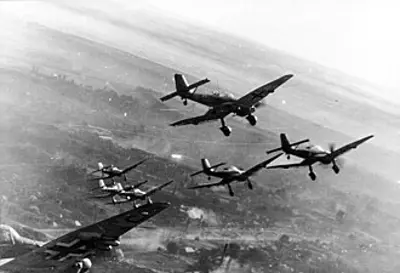
World War II: The Wehrmacht launched Case Blue, a strategic German offensive to capture oil fields in the south of the Soviet Union.
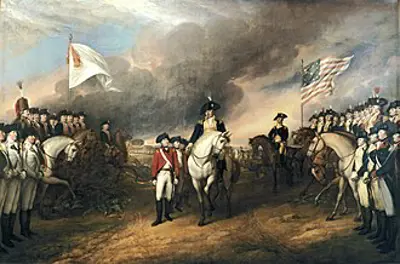
American Revolutionary War: The militia of the Province of South Carolina repelled a British attack on Charleston.
The United States Army Air Corps aircraft Bird of Paradise landed at Wheeler Field on the Hawaiian island of Oahu to complete the first transpacific flight.
The first privateer battle of the American Revolutionary War, the Battle of Turtle Gut Inlet, was fought near Cape May, New Jersey.
Municipal workers in Baltimore, Maryland, went on strike seeking higher wages and better conditions.
The National Organization for Women, a leading United States feminist organization, was founded in Washington, D.C.
French acrobat Charles Blondin crossed Niagara Gorge, making him one of the world's most famous tightrope walkers.
Second Punic War: Commanded by Hannibal, the Carthaginians ambushed a Roman army at the Battle of Lake Trasimene, capturing or killing 25,000 men.
Sony introduced the Walkman, a portable audio player that changed listening habits by offering users the ability to play one's own choice of music.
The Belfast Banking Company, which issued banknotes in Northern Ireland, merged with its rival Northern Bank.
Seven of the sixteen American railroad labor organizations staged a nationwide strike (striking workers pictured) that lasted two months.
The Remington No. 1, the first commercially successful typewriter, went on sale.
The Civil Rights Act was signed into law, outlawing segregation in schools, at the workplace, and other facilities that served the general public in the United States.
American Revolutionary War: French troops landed near St. George's, Grenada, and began their capture of the island.
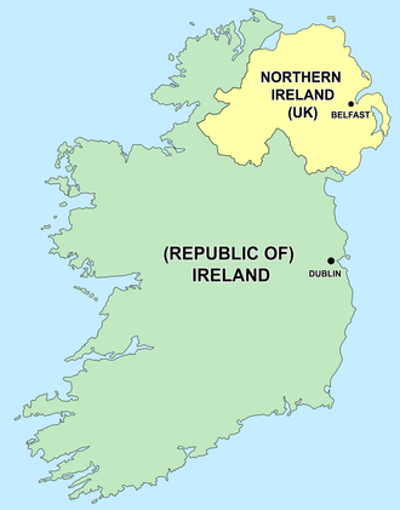
The Troubles: The British Army began the Falls Curfew in Belfast, Northern Ireland, which resulted in greater Irish republican resistance.