1945
World War II: The U
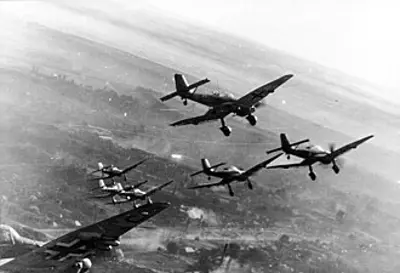
World War II: The U.S. Army liberated Dachau, the first Nazi concentration camp, and killed German prisoners of war.
2133 results for “Robert D. Keppel” — type: selected (972 ms)
World War II: The U.S. Army liberated Dachau, the first Nazi concentration camp, and killed German prisoners of war.
World War II: As Allied forces closed in on Berlin, Nazi leader Adolf Hitler committed suicide in the Führerbunker with Eva Braun one day after their marriage.
British physicist J. J. Thomson and his team announce the discovery of the electron.
The evacuation of nearly 88,000 people began when a wildfire swept through Fort McMurray, Alberta, Canada, and burned for another 14 months, becoming the costliest disaster in Canadian history.
Second World War: British and Indian forces conducted a successful airborne assault on a Japanese artillery battery during the advance to liberate Rangoon, Burma.
Falklands War: HMS Conqueror sank the Argentine cruiser General Belgrano (pictured), the only ship ever to have been deliberately sunk by a nuclear submarine in battle.
The Benty Grange helmet, a boar-crested Anglo-Saxon helmet with parallels to those mentioned in the contemporary epic poem Beowulf, was discovered in Derbyshire, England.
World War II: Aircraft from Imperial Japanese Navy vessels attacked Allied naval forces, beginning the Battle of the Coral Sea, the first naval action in which the participating ships never sighted o�
Kenya Airways Flight 507 crashed immediately after takeoff from Douala International Airport in Cameroon, resulting in the deaths of all 114 people aboard.
American teenager Michael P. Fay was caned in Singapore for theft and vandalism, a punishment that the United States deemed to be excessive for a teenager committing a non-violent crime.
World War II: A squad of 250 Norwegian volunteers defending Hegra Fortress surrendered to a superior Nazi force after a 25-day siege.
Imperial Trans-Antarctic Expedition: SY Aurora, anchored in McMurdo Sound, broke loose during a gale, beginning a 312-day ordeal in the Ross Sea and Southern Ocean for her 18-man crew.
Police in Napier, New Zealand, began a 40-hour siege of the home of a former New Zealand Army member who had shot at officers during the routine execution of a search warrant.
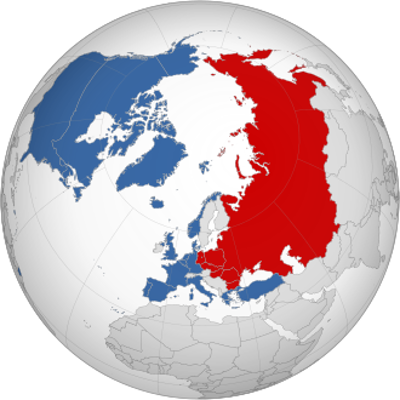
Cold War: Nikita Khrushchev announced that the Soviet Union was holding American pilot Francis Gary Powers, whose spy plane had been shot down six days earlier.
A convoy of circus wagons carrying lions, horses, ponies and an ass lost control and overturned into some shop fronts in Dungannon, Northern Ireland.
In Huế, South Vietnam, soldiers opened fire into a crowd of Buddhists protesting against a government ban on the flying of the Buddhist flag on Phật Đản, killing nine and sparking the Buddhist crisis.
French aviators Charles Nungesser and François Coli aboard the biplane L'Oiseau Blanc took off from Paris, attempting to make the first non-stop flight to New York, only to disappear before arrival.
The pilots of a Sukhoi Superjet, ignoring alerts from the terrain warning system, crashed the aircraft into Mount Salak in Indonesia, resulting in the deaths of all 45 people on board.
Pope Benedict XVI began the beatification process for his predecessor Pope John Paul II, waiving the standard five years required after the nominee's death.
About 200 students at Bucks County Community College held a protest after the college canceled a planned speech by gay rights activist Dick Leitsch.