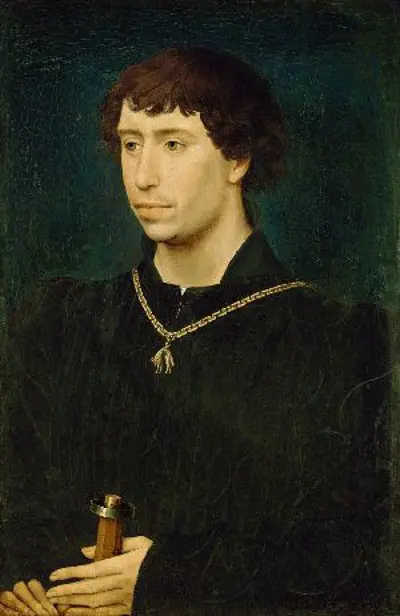
1467
Battle of Brustem: Charles the Bold defeats Prince-Bishopric of Liège.
Battle of Brustem: Charles the Bold defeats Prince-Bishopric of Liège.
7112 results for “Charles F. Hurley” — type: events (979 ms)
Battle of Brustem: Charles the Bold defeats Prince-Bishopric of Liège.
The strongest earthquake in the Midwestern United States since 1812 strikes near Charleston, Missouri, causing damage and killing at least two.

Quiz show scandals: Twenty-One game show contestant Charles Van Doren admits to a Congressional committee that he had been given questions and answers in advance.

Liège is sacked by the troops of Duke Charles the Bold of Burgundy.
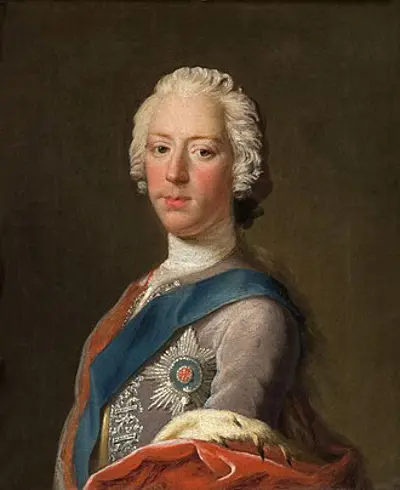
Charles Edward Stuart invades England with an army of approximately 5,000 that would later participate in the Battle of Culloden.
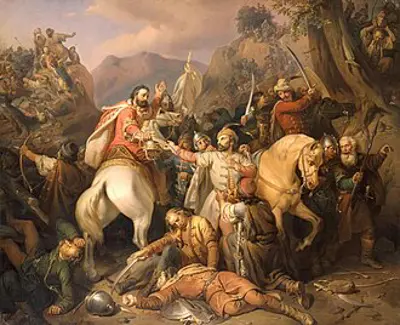
At the Battle of Posada, Basarab I of Wallachia defeats the Hungarian army of Charles I Robert.
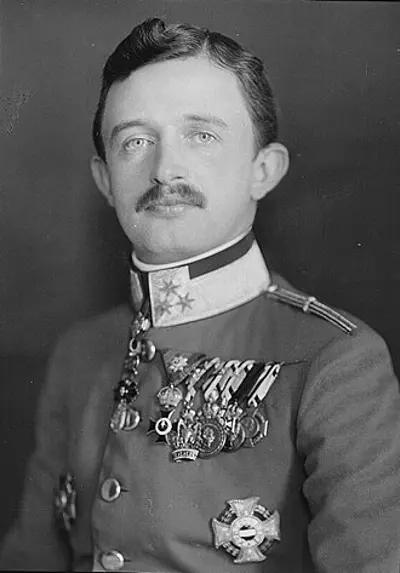
Emperor Charles I of Austria relinquishes power.
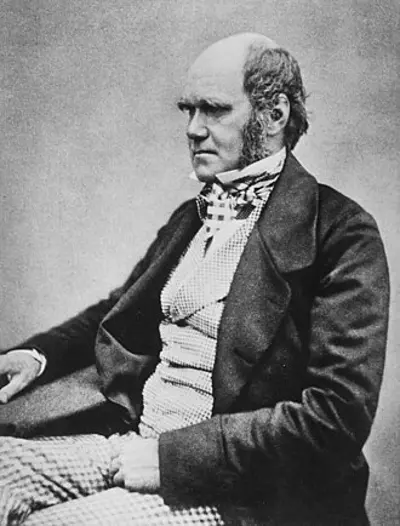
British naturalist Charles Darwin's On the Origin of Species is published.
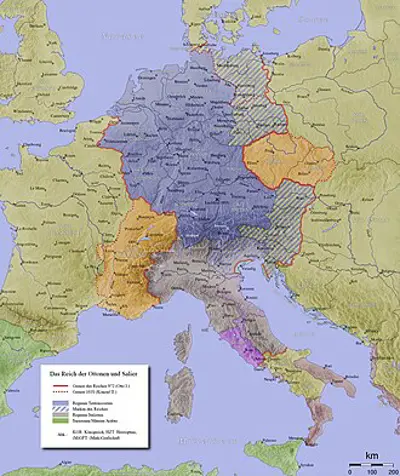
Having been elected German king at Rhens on 11 July 1346, Charles IV is crowned King of Germany by bishop Walram of Cologne in Bonn.

Henry VIII of England and Francis I of France sign the "Treaty of Closer Amity With France" (also known as the Pommeraye treaty), pledging mutual aid against Charles V, Holy Roman Emperor.

�s struck by the Norwegian freighter SS Frosta while crossing the Mississippi River in St. Charles Parish, Louisiana. Seventy-eight passengers and crew die, and only 18 people aboard the ferry survive.
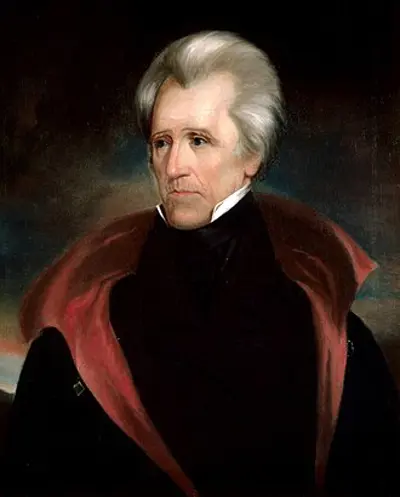
Battle of the Gulf of Naples: Roger of Lauria, admiral to King Peter III of Aragon, destroys the Neapolitan fleet and captures Charles of Salerno.

�f Cape Finisterre: An inconclusive naval action is fought between a combined French and Spanish fleet under Admiral Pierre-Charles Villeneuve of France and a British fleet under Admiral Robert Calder.
The first commercial use of an electrical telegraph is successfully demonstrated in London by William Cooke and Charles Wheatstone.

War of the Spanish Succession: Gibraltar is captured by an English and Dutch fleet, commanded by Admiral Sir George Rooke and allied with Archduke Charles.
�rance following the death of his father Louis IX, during the Eighth Crusade. His uncle, Charles I of Naples, is forced to begin peace negotiations with Muhammad I al-Mustansir, Hafsid Sultan of Tunis.
A British government army led by Sir John Cope is defeated in less than 15 minutes by the Jacobite forces of Prince Charles Edward Stuart.
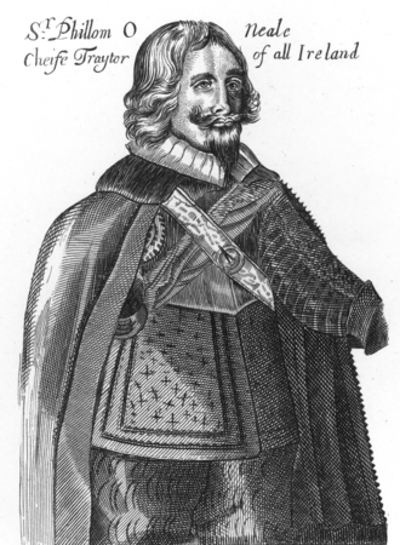
Felim O'Neill of Kinard, the leader of the Irish Rebellion, issues his Proclamation of Dungannon, justifying the uprising and declaring continued loyalty to King Charles I of England.

Battle of Mühlberg. Duke of Alba, commanding Spanish-Imperial forces of Charles I of Spain, defeats the troops of Schmalkaldic League.