An estimated 750,000 people attended the "Great March" in Washington, D.C., to demand greater civil rights for the…
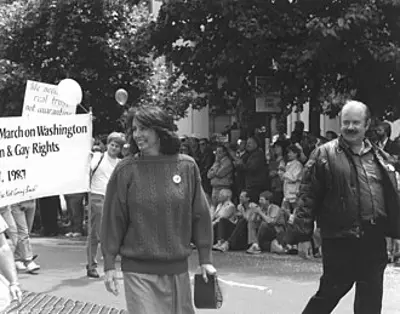
An estimated 750,000 people attended the "Great March" in Washington, D.C., to demand greater civil rights for the LGBT community.
2947 results for “Basilis C. Xanthopoulos” — type: selected (918 ms)
An estimated 750,000 people attended the "Great March" in Washington, D.C., to demand greater civil rights for the LGBT community.

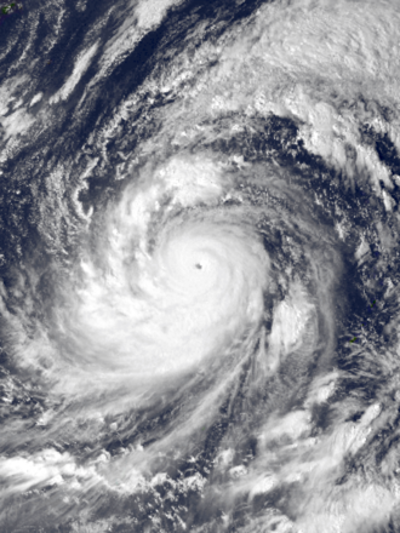
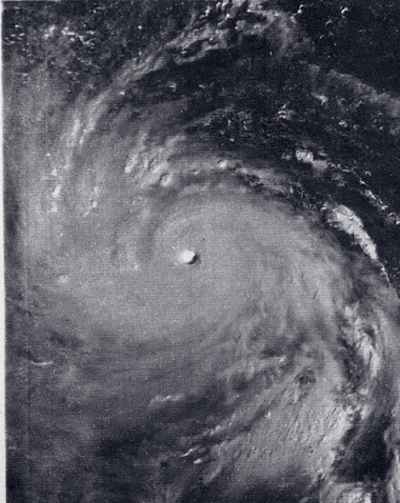
Typhoon Nora, the fourth-most intense tropical cyclone on record, dissipated after killing 40 people and leaving more than a million homeless across Taiwan and the Philippines.
CBS's field-sequential color system for television was the first to be licensed for broadcast by the U.S. Federal Communications Commission.
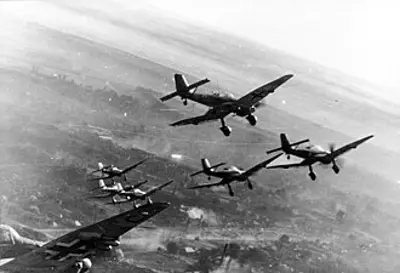
World War II: At the Battle of Cape Esperance on the northwest coast of Guadalcanal, American ships intercepted and defeated a Japanese fleet sent to attack Henderson Field.
The peerage and clergy of the Kingdom of England published the Ordinances of 1311 to restrict King Edward II's powers.
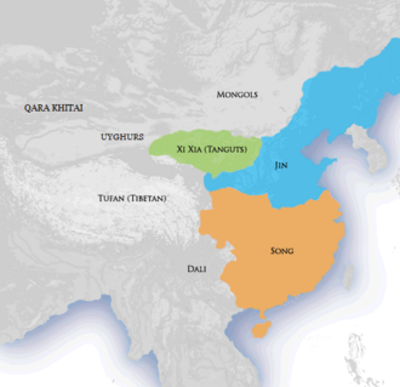
The Treaty of Shaoxing was ratified, ending the Jin–Song wars, although sporadic fighting continued until 1234.
Twelve people were killed in an apartment-building collapse in Medellín, leading to new construction laws being passed in Colombia.
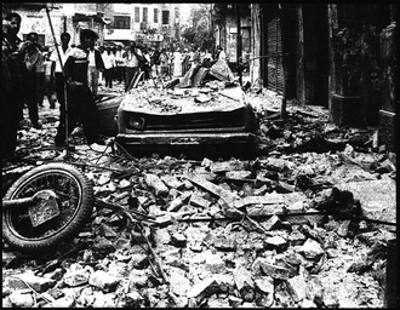
An earthquake with a magnitude of 5.8 or 5.9 struck south of Cairo, Egypt, killing 545 people.
Typhoon Tip, the largest and most intense tropical cyclone ever recorded, reached a worldwide record-low sea-level pressure of 870 mbar (25.69 inHg) in the western Pacific Ocean.
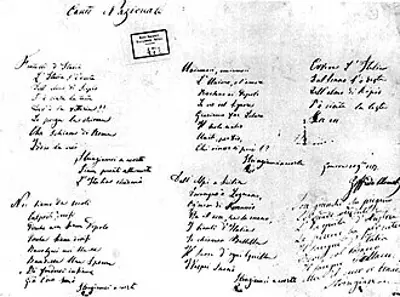
Il Canto degli Italiani is adopted as national anthem by the newly formed Italian Republic.
The iron lung (example pictured), a type of medical ventilator, was used for the first time at the Boston Children's Hospital to treat an eight-year-old girl paralyzed by polio.
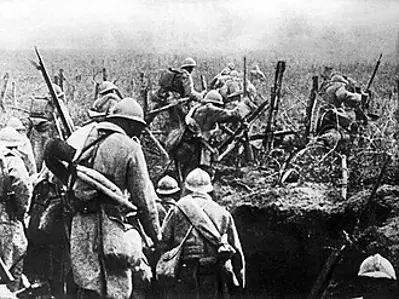
First World War: New Zealand troops suffered more than 2,000 casualties, including more than 800 deaths, in the First Battle of Passchendaele, making it the nation's largest loss of life in one day.
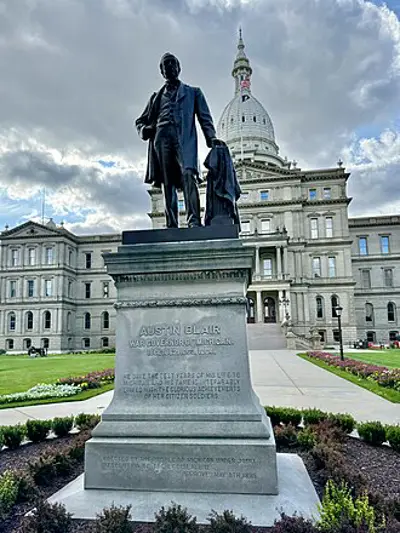
A statue of Austin Blair (pictured) was dedicated in a ceremony that attracted up to 30,000 people to Lansing, Michigan.
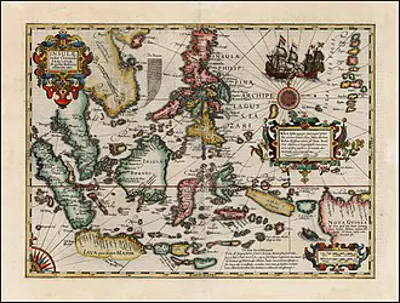
Believing he had reached the East Indies, Christopher Columbus made landfall on an island in the Caribbean, sparking a series of events that led to the European colonization of the Americas.
At the Chicago Marathon, Kenyan runner Brigid Kosgei (pictured) set the current marathon world record for women running in a mixed-sex race.
Uruguayan Air Force Flight 571 crashed into a remote area in the Andes mountains near the border of Chile and Argentina; the 16 remaining survivors were not rescued until more than two months later.
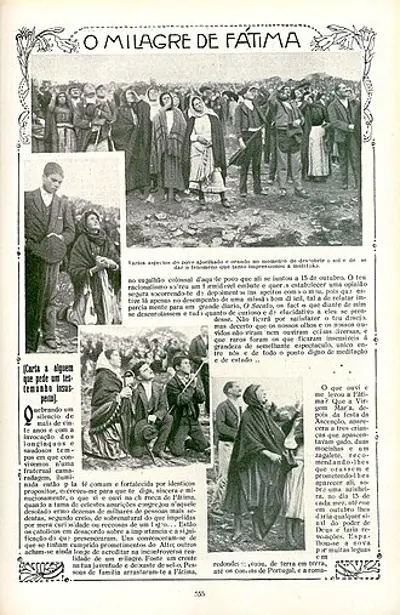
At least 30,000 people witnessed the Miracle of the Sun in the fields of Cova da Iria near Fátima, Portugal.
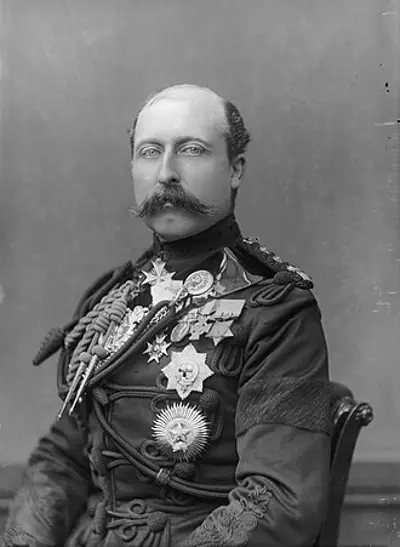
Prince Arthur, a son of Queen Victoria, became the first Governor General of Canada of royal descent, as well as the first Prince of Great Britain and Ireland to hold that position.
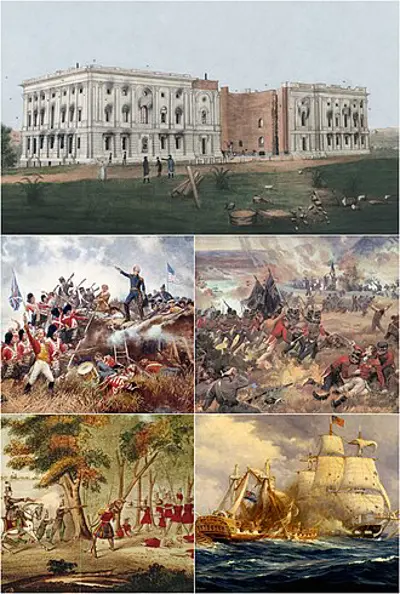
War of 1812: After three days of fighting, the beached U.S. Revenue Cutter Service vessel Eagle was captured by the Royal Navy.
French astronomer Charles Messier discovered the Whirlpool Galaxy (pictured), an interacting, grand design spiral galaxy located an estimated 31 million light-years away.