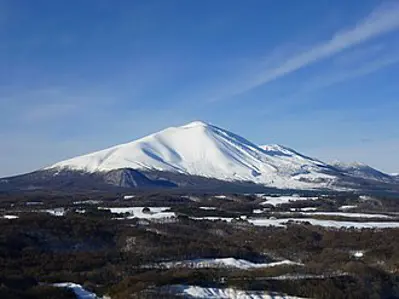
Mount Asama (pictured) in Japan began a climactic eruption, which exacerbated the Great Tenmei famine and led to…
Mount Asama (pictured) in Japan began a climactic eruption, which exacerbated the Great Tenmei famine and led to thousands of deaths.
2133 results for “Robert D. Keppel” — type: selected (1109 ms)
Mount Asama (pictured) in Japan began a climactic eruption, which exacerbated the Great Tenmei famine and led to thousands of deaths.
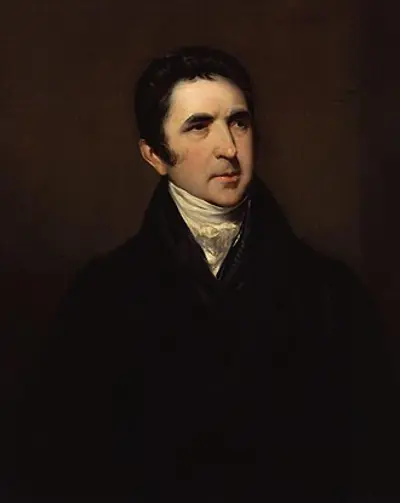
Sir John Barrow, secretary at the Admiralty, rejected a proposal to use Francis Ronalds's electrical telegraph, deeming it "wholly unnecessary".
Beaver Wars: Aggravated by increased French incursions into their territory, a large force of Mohawk warriors substantially destroyed the settlement of Lachine in present-day Quebec.
A series of riots broke out in several London boroughs and in cities and towns across England in response to the shooting of Mark Duggan by Metropolitan Police officers.
Flash floods, mudslides, and debris flows across the Ladakh region of Indian-administered Kashmir left at least 255 people dead.
Mauritanian president Sidi Ould Cheikh Abdallahi was ousted from power by a group of high-ranking generals that he had dismissed from office several hours earlier.
British computer programmer Tim Berners-Lee posted a public invitation to collaborate on a system of interlinked, hypertext documents accessible via the Internet, known as the World Wide Web.
U.S. president Lyndon B. Johnson signed the Voting Rights Act into law, outlawing literacy tests and other discriminatory voting practices that had been responsible for the widespread disfranchisemen�
Second Fitna: Pro-Alid forces defeated the Umayyad Caliphate in the Battle of Khazir, allowing them to take control of Mosul in present-day Iraq.
Jonathan Jackson took hostages in a courthouse in Marin County, California, to coerce the release of the Soledad Brothers, resulting in the deaths of judge Harold Haley and three others.
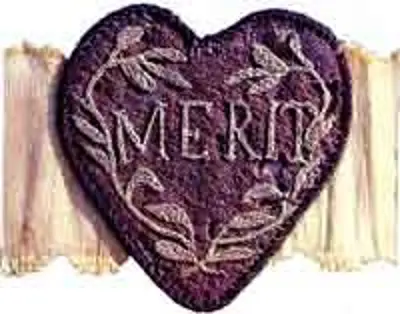
The Badge of Military Merit (pictured), the precursor to the U.S. Purple Heart, was established as a military decoration of the Continental Army.
A EuroCity train en route to Prague struck a part of a motorway bridge that had fallen onto the track near Studénka station and derailed, killing 8 people and injuring 64 others.
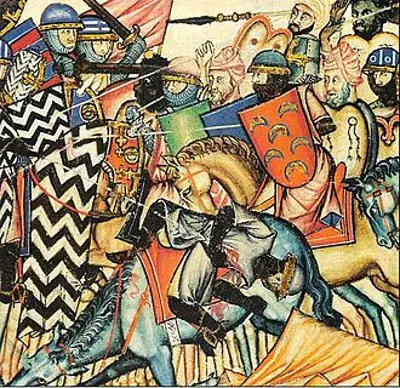
Reconquista: In the early stages of the Mudéjar revolt, Muslim rebels captured the Alcázar of Jerez de la Frontera in present-day Spain, holding it for about two months.
Spring and Autumn period: Amid a succession dispute, the forces of Duke Zhuang of Lu, who was attempting to install a claimant to the Qi throne, were defeated at the Battle of Qianshi.
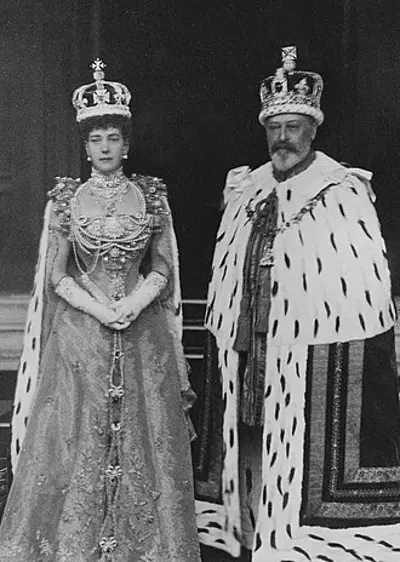
In a ceremony at Westminster Abbey, Edward VII and Alexandra were crowned King and Queen of the United Kingdom and the British Dominions, and Emperor and Empress of India.
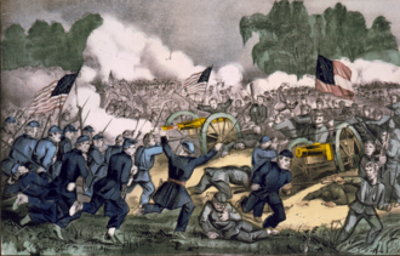
American Civil War: Confederate troops counter-attacked and won the Battle of Cedar Mountain, after nearly being driven from the field in the early part of the battle.
First Indochina War: The French Union withdrew its forces from Operation Camargue against the Việt Minh in central modern-day Vietnam.
The Amalgamated Association of Iron, Steel and Tin Workers began an ultimately unsuccessful strike to reverse its declining fortunes and organize large numbers of new members.
José Antônio Saraiva announced that the Brazilian military would exact reprisals after Uruguay's governing Blanco Party refused Brazil's demands, beginning the Uruguayan War.
Hungarian invasions of Europe: Forces under Otto the Great were victorious at the Battle of Lechfeld (depicted) near present-day Augsburg, Germany, holding off the incursions of the Magyars into Cent�