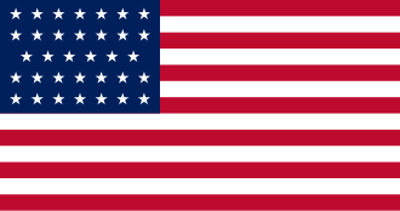
1864
Union general Ulysses S
Union general Ulysses S. Grant pulled his troops out of the Battle of Cold Harbor in Hanover County, Virginia, ending one of the bloodiest, most lopsided battles in the American Civil War.
3563 results for “W. E. D. Ross” — type: selected (2295 ms)
Union general Ulysses S. Grant pulled his troops out of the Battle of Cold Harbor in Hanover County, Virginia, ending one of the bloodiest, most lopsided battles in the American Civil War.
A magnitude-6.5 earthquake struck northwestern Iran, killing at least 230 people and injuring 1,300 others; the official response, perceived to be slow, later caused widespread public anger.
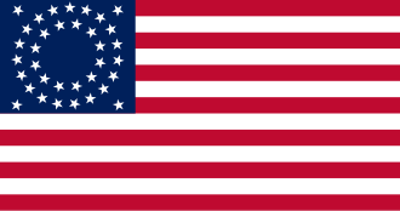
More than 50,000 Union and Confederate veterans gathered at the Gettysburg Battlefield, the largest combined reunion of American Civil War veterans ever held.
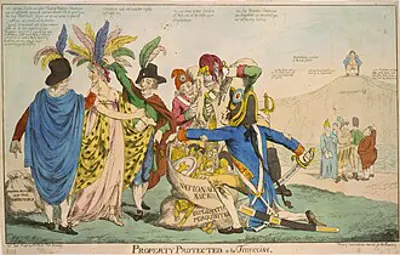
Outraged by the XYZ Affair, the United States rescinded its treaties with France, resulting in the undeclared Quasi-War, fought entirely at sea.
Under the belief that Israel and the United States were planning to attack its nuclear program, Iran conducted the Great Prophet III missile test and war games exercise.
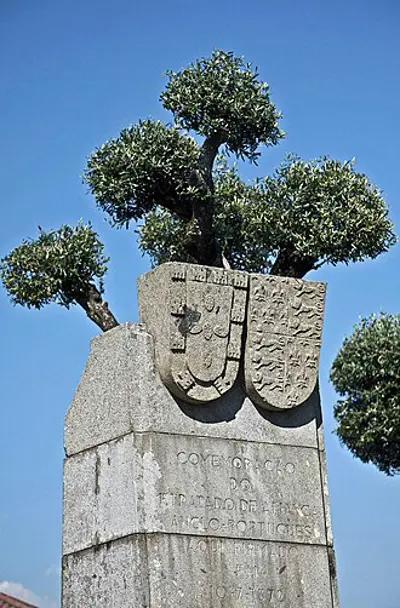
The Treaty of Tagilde was signed between Ferdinand I of Portugal and representatives of John of Gaunt of England, marking the beginning of the Anglo-Portuguese Alliance, which remains in effect today.
The Australian swimming team, nicknamed the Quietly Confident Quartet, won the men's 4 × 100 metre medley relay at the Moscow Olympics, the only time that the United States, which boycotted the games�
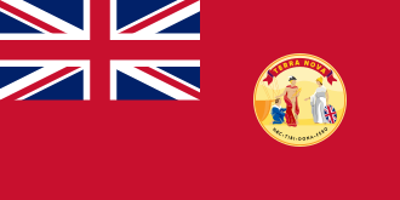
�ing in Newfoundland, British prime minister Winston Churchill and U.S. president Franklin D. Roosevelt (both pictured) issued the Atlantic Charter, establishing a vision for a post–World War II world.
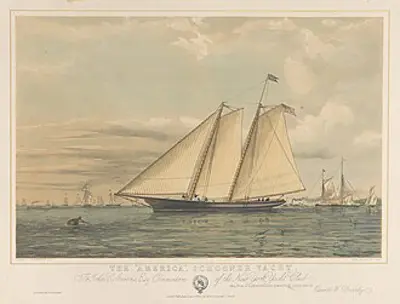
The yacht America won the race for the Cup of One Hundred Sovereigns (trophy pictured), later renamed the America's Cup, near the Isle of Wight, England.
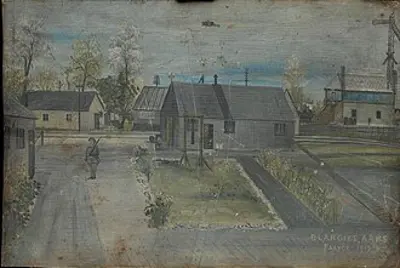
A confrontation at Blargies prison camp in France led to a charge of mutiny for New Zealand private John Braithwaite, for which he was later executed.
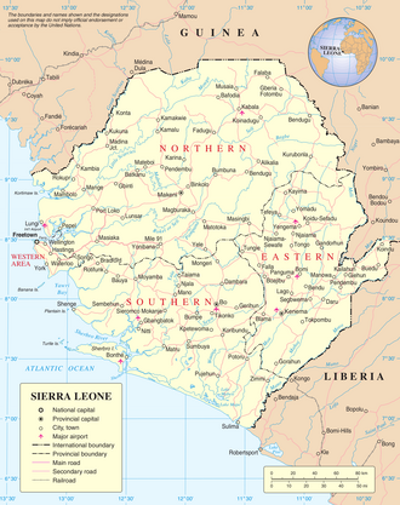
British forces freed soldiers and civilians who had been held captive by the militant group the West Side Boys, contributing to the end of the Sierra Leone Civil War.
The first of a series of treaties comprising the Peace of Ryswick was signed between France and the Grand Alliance, ending the Nine Years' War.
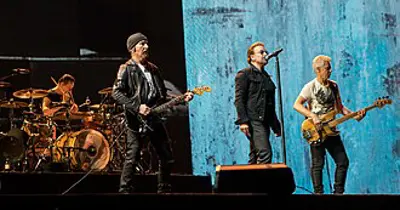
Irish rock band U2 performed in Sarajevo (pictured), the first major artist to hold a concert in the city since the end of the Bosnian War.
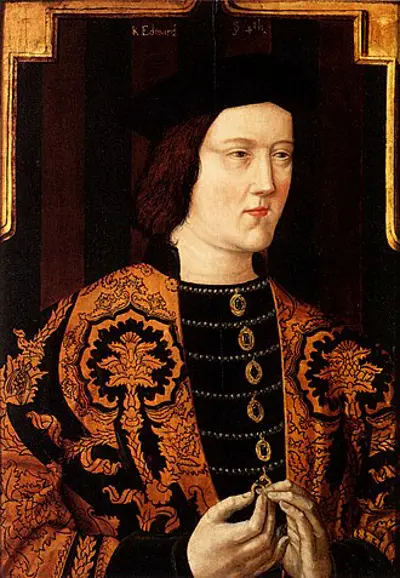
With King Edward IV of England forced to flee to the Burgundian Netherlands after a rebellion organised by Richard Neville, 16th Earl of Warwick, Henry VI was restored to the throne.
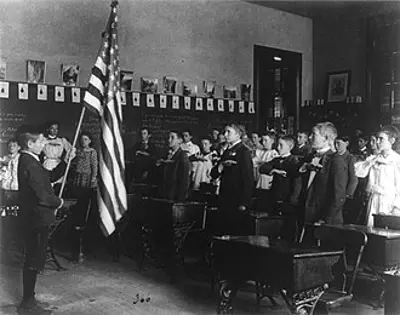
The Pledge of Allegiance of the United States was first used in public schools to coincide with the opening of the World's Columbian Exposition in Chicago.
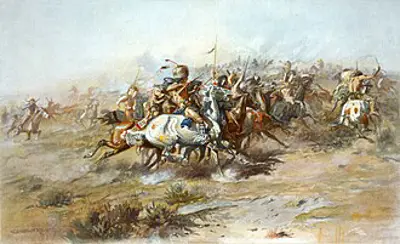
Sioux Wars: Red Cloud (pictured), a Native American leader of the Oglala Lakota tribe, signed the Treaty of Fort Laramie, ending Red Cloud's War and establishing the Great Sioux Reservation.
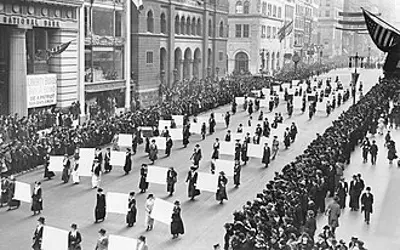
American suffragist Susan B. Anthony (pictured) was arrested and later fined $100 for having voted in the presidential election two weeks earlier.
In accordance with the Lusaka Protocol, the Angolan government signed a ceasefire with UNITA rebels in a failed attempt to end the Angolan Civil War.
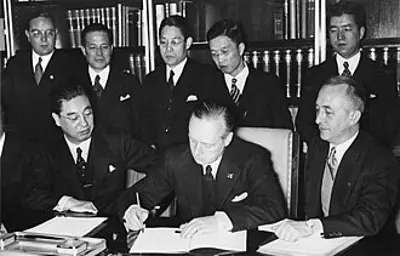
Nazi Germany and the Empire of Japan signed the Anti-Comintern Pact, agreeing that, if the Soviet Union attacked one of them, they would consult each other on measures to "safeguard their common inte�
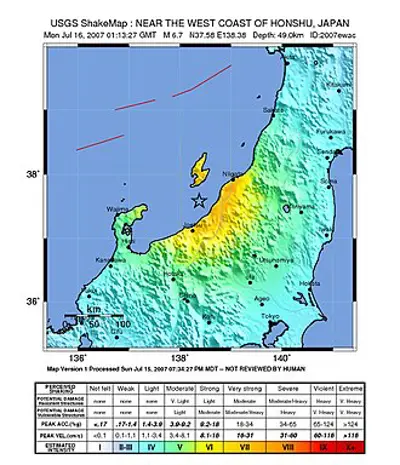
An earthquake of magnitude .mw-parser-output .tooltip-dotted{border-bottom:1px dotted;cursor:help}Mw 6.6 struck Niigata Prefecture, Japan, causing a leak of radioactive gases from the Kashiwazaki-Kar�