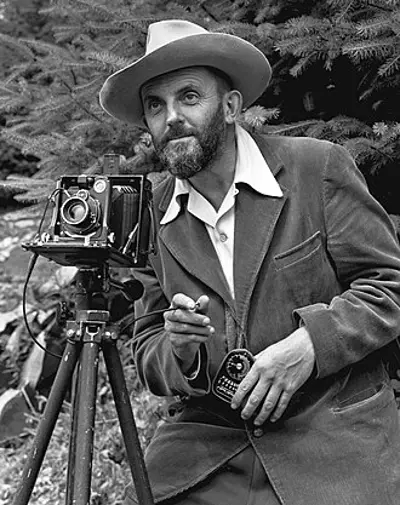
American photographer Ansel Adams (pictured) shot Moonrise, Hernandez, New Mexico, one of his most famous photographs.
618 results for “Henry Ries, German-American photographer (born 1917)” — type: selected (1430 ms)
American photographer Ansel Adams (pictured) shot Moonrise, Hernandez, New Mexico, one of his most famous photographs.
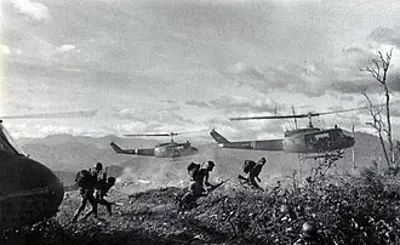
Vietnam War: Associated Press photographer Nick Ut took a Pulitzer Prize–winning photograph of a naked nine-year-old Phan Thi Kim Phuc fleeing after being burned by napalm.
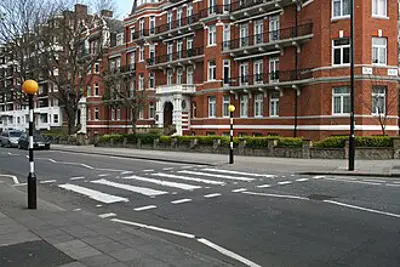
At a zebra crossing in London (pictured), photographer Iain Macmillan took the photo that was used for the cover of the Beatles' album Abbey Road.
British medical photographer Janet Parker became the last recorded person to die from smallpox, leading to a debate on whether the virus should be preserved.
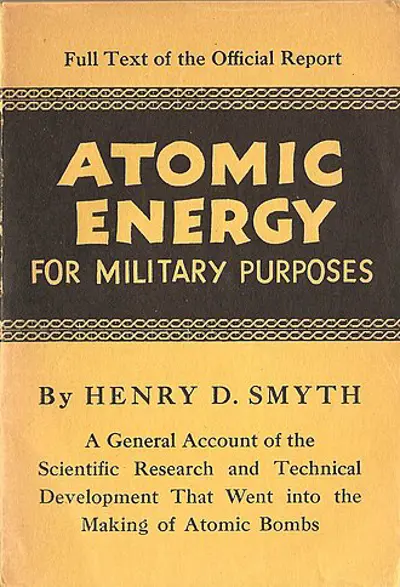
An official administrative history of the Manhattan Project, written by American physicist Henry DeWolf Smyth, was released to the public days after the atomic bombings of Hiroshima and Nagasaki.
American Revolutionary War: Fort Clinton and Fort Montgomery were captured by British forces under Sir Henry Clinton, dismantling the Hudson River Chains.
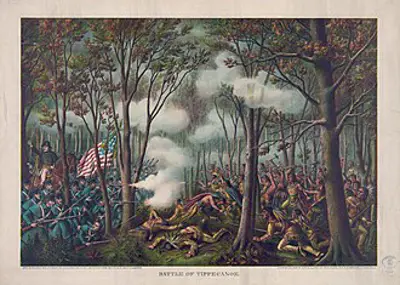
Tecumseh's War: American forces led by William Henry Harrison defeated the forces of Shawnee leader Tecumseh's growing confederation at the Battle of Tippecanoe near present-day Battle Ground, Indiana�
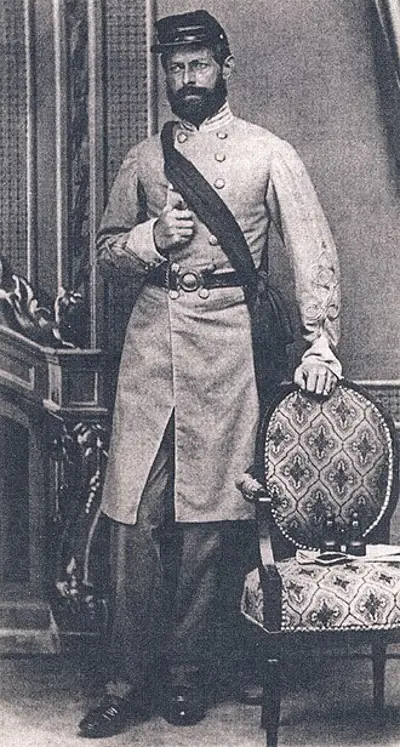
Henry Wirz, the Confederate superintendent of Andersonville Prison, was hanged after a controversial conviction, becoming the only American Civil War officer executed for war crimes.
Irish civil servants Thomas Henry Burke and Lord Frederick Cavendish were stabbed to death by members of the radical Irish National Invincibles in Phoenix Park, Dublin.
Major Henry C. Wayne arrived in Indianola, Texas, with 34 camels to form the short-lived United States Camel Corps (pictured).
Second Barons' War: King Henry III was defeated at the Battle of Lewes and forced to sign the Mise of Lewes, making Simon de Montfort the de facto ruler of England.
Thomas Cranmer, Archbishop of Canterbury, annulled Henry VIII's marriage to his first wife Catherine of Aragon (pictured), beginning events that would culminate in the English Reformation.
Jane Seymour, a former lady-in-waiting, married King Henry VIII, becoming the queen consort of England.
In an informal article in a medical journal, Henry Heimlich introduced the concept of abdominal thrusts, commonly known as the Heimlich maneuver, to treat victims of choking.
Henry Hacking killed the Aboriginal Australian resistance fighter Pemulwuy after Philip Gidley King ordered that he be brought in dead or alive.
The masque Tethys' Festival was performed at the Palace of Whitehall to celebrate the investiture of Henry Frederick as Prince of Wales.
Catherine of Aragon (pictured) married King Henry VIII of England, becoming the first of his six wives.
Henry Grace à Dieu, the largest warship ever built at the time, was launched from Woolwich Dockyard, England.
Irish Republican Army gunmen assassinated British member of parliament Field Marshal Sir Henry Wilson.
During a jousting match, King Henry II of France was mortally wounded when fragments of Gabriel Montgomery's lance pierced his eye.